
Diverticulosis Diet: 5 Foods to Avoid Diverticulosis
diverticulosis diet: learn foods to avoid diverticulosis, prevent flare-ups, and follow a diverticulitis diet plan for better gut health today.
By Healthy Eats Guide Team
Published
Updated
6 min read
Introduction
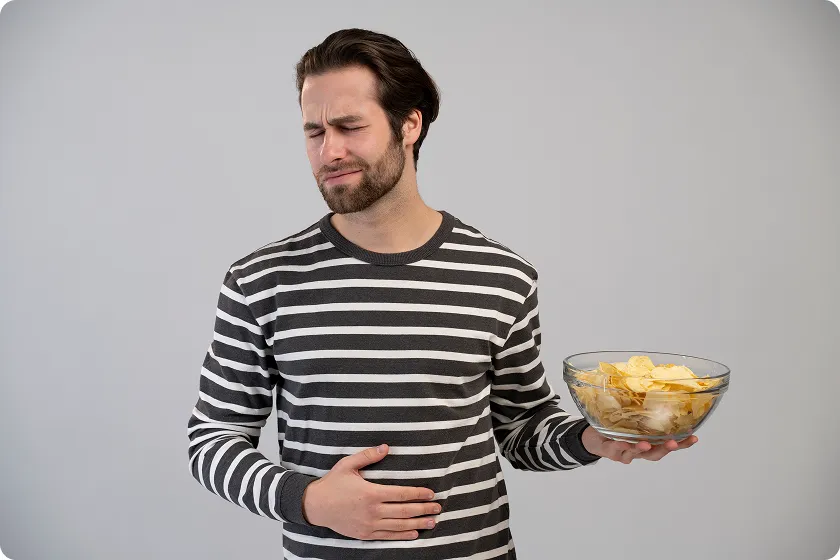
A well-planned diverticulosis diet plays a major role in supporting digestive health and preventing complications like diverticulitis. Diverticulosis occurs when small pouches form in the colon's lining. While many people do not experience symptoms, diet is one of the most important tools for managing this condition and reducing flare-ups.
The right foods to avoid diverticulosis can help reduce pressure in the colon, support smoother digestion, and lower the risk of inflammation. On the other hand, choosing high-fiber, nutrient-rich foods can improve bowel regularity and overall gut health.
Understanding Diverticulosis

Diverticulosis is a digestive condition in which small, bulging pouches (diverticula) form in the colon wall. It is often linked to a low-fiber diet and slower bowel movements.
While diverticulosis itself may not cause symptoms, it can sometimes progress to diverticulitis when the pouches become inflamed or infected.
Key dietary goals include:
- Increasing fiber intake gradually
- Supporting healthy bowel movements
- Reducing strain on the colon
- Avoiding foods that may irritate the digestive system
A proper diverticulitis diet plan focuses on both prevention and symptom management.
5 Foods to Avoid in a Diverticulosis Diet

When managing diverticulosis, certain foods may worsen symptoms or trigger flare-ups. Here are the top 5 foods to avoid to help prevent diverticulosis and improve digestive comfort.
1. Popcorn
Popcorn is often debated, especially in the question, "Can you eat popcorn with diverticulitis?" While recent research is mixed, many doctors still recommend avoiding it during flare-ups because its hard-to-digest hulls may irritate the colon.
2. Nuts and Seeds
Foods like almonds, sunflower seeds, sesame seeds, and chia seeds were once strictly avoided. Today, they are considered safe for many people, but during active symptoms or flare-ups, they may still cause discomfort.
3. Red and Processed Meat
Red meats like beef and lamb, as well as processed meats such as sausages and bacon, are harder to digest and may increase the risk of inflammation. These are commonly listed in guidelines on foods to avoid for diverticulosis.
4. Fried and Fatty Foods
Deep-fried foods slow digestion and can worsen bloating and discomfort. They also add unnecessary strain to the digestive tract.
5. Refined Grains and Sugary Foods
White bread, pastries, and sugary snacks are low in fiber and can lead to constipation. A low-fiber diet is strongly linked with diverticular issues.
Checklist: Foods to Avoid in Diverticulosis
| Food Category | Examples | Why Avoid It? |
|---|---|---|
| Popcorn | Butter popcorn, caramel popcorn | Hard hulls may irritate the colon |
| Nuts & Seeds | Almonds, sesame seeds, sunflower seeds | May cause discomfort during flare-ups |
| Red & Processed Meat | Bacon, sausage, beef | Linked to inflammation |
| Fried Foods | French fries, fried chicken | Slows digestion |
| Refined Grains & Sugary Foods | White bread, cakes, candy | Low in fiber, which may increase the risk of constipation |
Best Foods to Eat for Gut Health
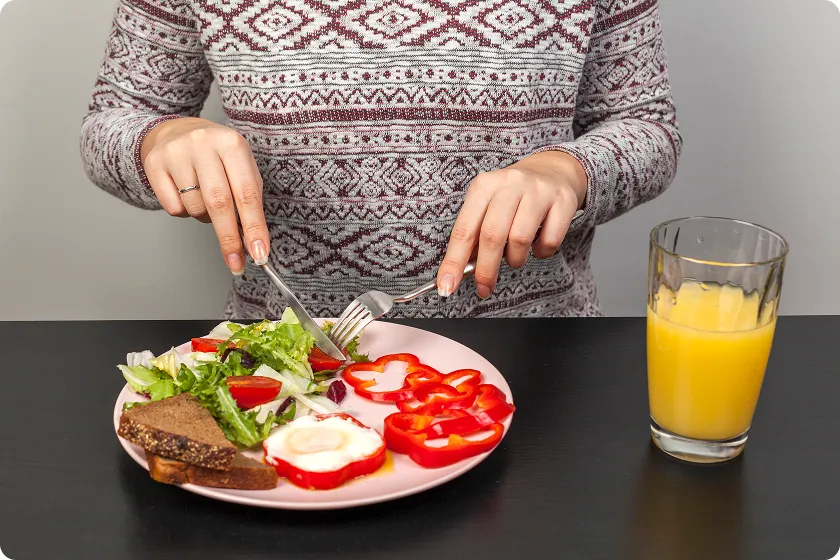
A strong diverticulosis diet emphasizes fiber-rich, easily digestible foods that support bowel regularity.
Recommended foods include:
- Whole grains like oats, brown rice, and quinoa
- Fresh fruits such as apples, pears, and berries
- Cooked vegetables like carrots, spinach, and zucchini
- Legumes like lentils and chickpeas (if tolerated)
- Plenty of water for hydration
These high fiber foods for diverticulosis help soften stool and reduce colon pressure.
Diverticulitis Diet Plan: What to Eat During Flare-Ups
When diverticulitis symptoms appear, the diet temporarily shifts to reduce bowel strain.
Phase 1: Clear Liquids
- Water
- Clear broth
- Herbal tea
- Electrolyte drinks
This stage helps the gut rest and recover.
Phase 2: Soft Diet
- Mashed potatoes
- Cooked rice
- Scrambled eggs
- Yogurt (if tolerated)
- Soft-cooked vegetables
This soft diet for diverticulitis is gentle and easy to digest.
Phase 3: Gradual Fiber Reintroduction
Once symptoms improve, slowly add fiber back into the diet to support long-term colon health.
Foods That Help Prevent Diverticulitis
Preventing flare-ups is the main goal of a long-term diverticulitis diet plan.
Helpful foods include:
- Leafy greens like kale and spinach
- Whole fruits instead of juices
- Bran cereals and whole grains
- Beans and lentils
- Nuts (in moderation if tolerated)
These foods improve digestion and reduce constipation, lowering the risk of inflammation.
FAQ
1. Is coffee bad for diverticulitis?
Coffee is generally safe in moderation. However, during flare-ups, it may irritate the gut or worsen symptoms in some people. Always monitor your body's response.
2. Can I eat tuna fish with diverticulitis?
Yes, soft proteins like tuna are usually allowed, especially during the soft diet phase of diverticulitis.
3. Can you eat popcorn with diverticulitis?
It is best to avoid popcorn during active flare-ups. Outside flare-ups, some people tolerate it well, but caution is recommended.
4. What foods cause diverticulitis?
Low-fiber diets, processed meats, fried foods, and excessive sugar are commonly linked to a higher risk.
5. What is the best diet for diverticulitis?
A high-fiber, balanced diet with whole foods, hydration, and minimal processed items is considered the best long-term approach.
Conclusion
A well-structured diverticulosis diet is one of the most effective ways to support colon health and prevent complications. By avoiding trigger foods and focusing on fiber-rich nutrition, you can significantly reduce digestive discomfort and improve daily well-being.
The key takeaway is simple: limit the 5 foods to avoid diverticulosis, prioritize whole foods, and adjust your diet during flare-ups with gentle, easy-to-digest meals.
Internal Links
- 7 Effective What Foods Help With Constipation Tips
- 9 Proven Foods That Cause Constipation Fast
- Diet for Diverticulitis Flare Up: 7 Essential Foods You Must Try
External Links
- What Can I Eat if I Have Diverticulitis?
- Foods for Diverticulosis and Diverticulitis
- Diverticulitis Diet: 7 Foods to Avoid for Digestive Health
References
- May: Blood Pressure Awareness | Chaux PT. https://chauxpt.com/newsletter/may-is-the-national-high-blood-pressure-education-month/
- Refined Sugar: Downsides, Food Sources, and How to Avoid It. https://feelgoodpal.com/blog/refined-sugar/
- How to Lower Your Chances of Alzheimer's and Other Dementias - Home Help 247. https://www.homehelp247.co.uk/how-to-lower-your-chances-of-alzheimers-and-other-dementias/
- Gastrointestinal Support - Dr. O. Solutions for Natural Health. https://drosolutions.com/product-tag/gastrointestinal-support/
About the author
Healthy Eats Guide Team
Editorial Team
The Healthy Eats Guide editorial team researches and writes practical health and wellness content focused on clarity, sourcing, and everyday usefulness.
Related blogs
Heart Failure Diet: 10 Essential Foods for Better Heart Health
Heart failure diet: Discover 10 essential foods and a heart healthy meal plan to support circulation, reduce strain, and protect your heart. Start today.
15 min read
Best Diet for Arthritis: 7 Essential Foods for Joint Health
Best diet for arthritis: foods for joint health and foods that help arthritis. Improve mobility and reduce pain. Start reading today.
8 min read
Anti-Inflammatory Snacks: 10 Proven Fruits for Inflammation
Anti-inflammatory snacks with fruits for inflammation and foods that are anti inflammatory. Discover a low inflammatory breakfast guide and boost health now.
11 min read
Newsletter
Get practical health guides in your inbox
Occasional updates with clear nutrition, habits, and wellness reading — no spam, unsubscribe anytime.