
7 Effective What Foods Help With Constipation Tips
What foods help with constipation? Learn foods that relieve constipation, fiber‑rich diet tips, and natural remedies, get comfortable read now.
By Healthy Eats Guide Team
Published
Updated
7 min read
Introduction
Feeling sluggish or bloated because you haven't had a bowel movement in a few days can be frustrating. Many people search for what foods help with constipation because they want to know which ingredients supply fiber and fluid to their digestive tract. Clinically, constipation is defined as having fewer than three bowel movements a week and often involves straining or hard, dry stools. The seven tips below offer practical advice on food choices, natural remedies, and fiber-rich drinks to support smooth digestion.
1. Eat a Fiber Rich Diet
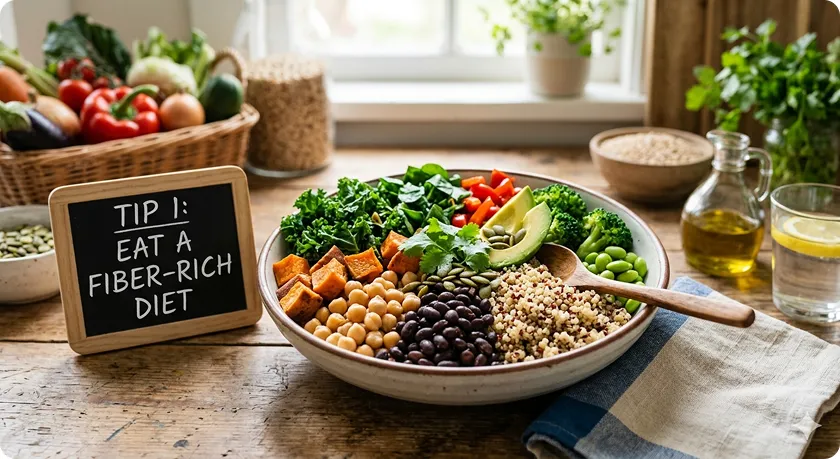
Plant fibers are indigestible carbohydrates found in fruits, vegetables, grains, and legumes. They absorb water and add bulk to your stool, so it moves more easily through the intestines. There are two main types: insoluble fiber, which remains intact and speeds transit, and soluble fiber, which dissolves and forms a gel to soften stools. Eating a range of fiber-rich foods helps you get both varieties. The following chart lists some convenient choices.
High Fiber Foods and Their Fiber Types
| Food | Typical Serving | Fiber (g) | Dominant Fiber Type |
|---|---|---|---|
| Prunes (dried plums) | 1/4 cup (40 g) | 3.0 g | Both |
| Cooked lentils | 1/2 cup (99 g) | 7.8 g | Both |
| Chia seeds | 1 oz (28 g) | 9.8 g | Insoluble |
2. Choose High‑Fiber Fruits
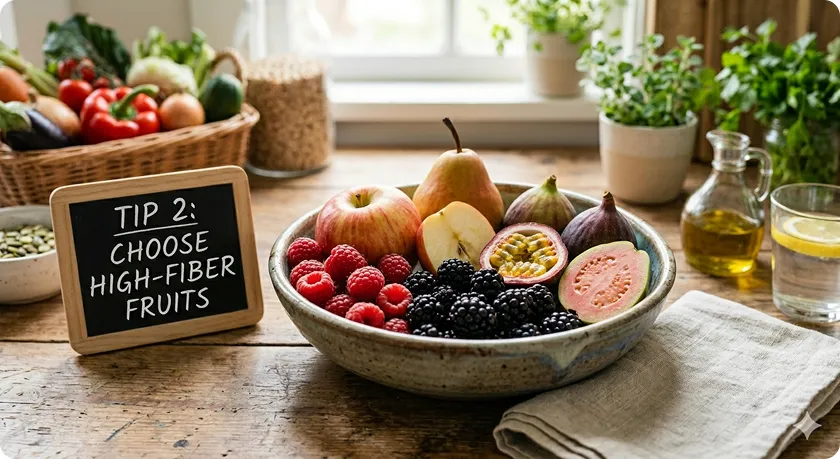
Fruity snacks offer a simple way to boost your fiber and address common questions about foods that encourage bowel movements. Many fruits contain sorbitol, a sugar alcohol that acts as a gentle laxative. Excellent choices include prunes, apples, pears, berries, citrus fruits, kiwis, and figs. Having five prunes or about 4 oz (roughly half a cup) of prune juice can help you have more frequent and smoother bowel movements. To maximize pectin and fiber, keep the skin on and blend fruits into smoothies or spreads. Eating these fruits regularly pulls water into your colon, making stools softer and easier to pass.
3. Load Up on Vegetables, Legumes, and Seeds
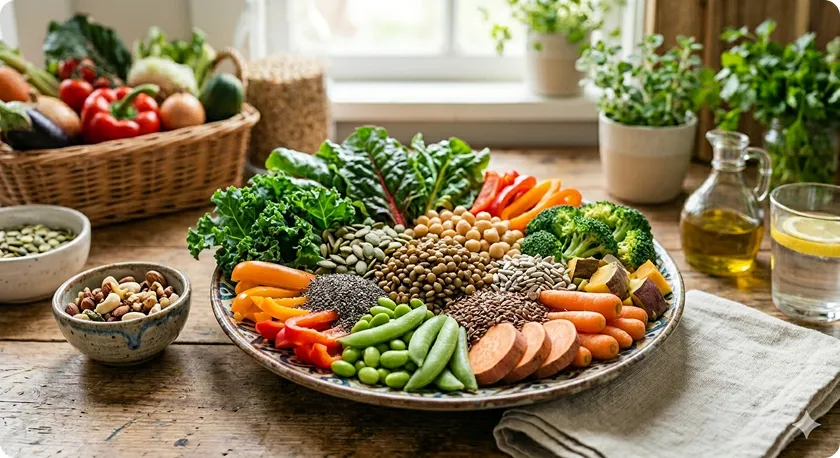
The fiber that alleviates constipation is found in a diet centered on vegetables, beans, lentils, and seeds. Legumes, colored root vegetables, and dark leafy greens provide both soluble and insoluble fiber. While tiny seeds like chia and flax absorb liquid and produce a gel that facilitates stool movement, a half-cup of cooked lentils provides almost 8 grams of fiber. You may encourage regular bowel movements and increase stool volume by filling half of your plate with a variety of these plant foods.
4: Stay Hydrated With Fiber‑Friendly Drinks
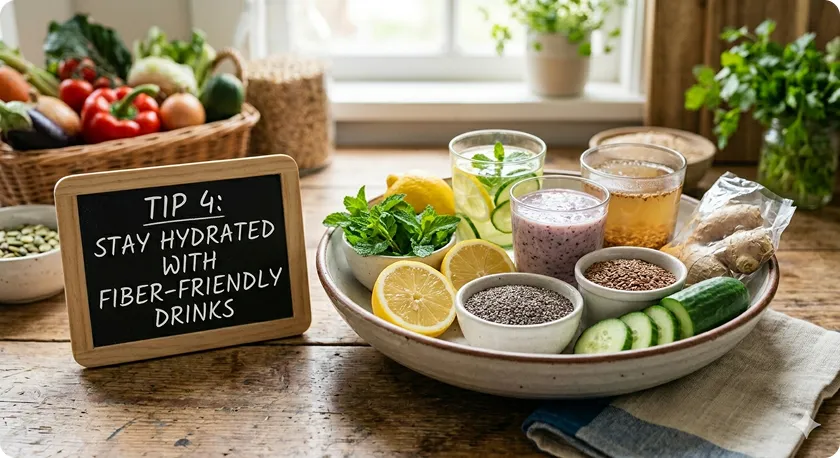
Only when there is sufficient liquid for the fiber to bind to does it function. Stools become hard and slow when there is no fluid. Strive for roughly 8 cups (about 2 liters) of water or other hydrating drinks per day. Herbal teas, pulp-infused juices, and transparent broths are OK, but plain water is the best option. Take small sips throughout the day instead of chugging large amounts at once, and limit sugary sodas and energy drinks, which offer little nutrition and may exacerbate constipation.
5. Use Natural Laxatives Like Prunes and Prune Juice
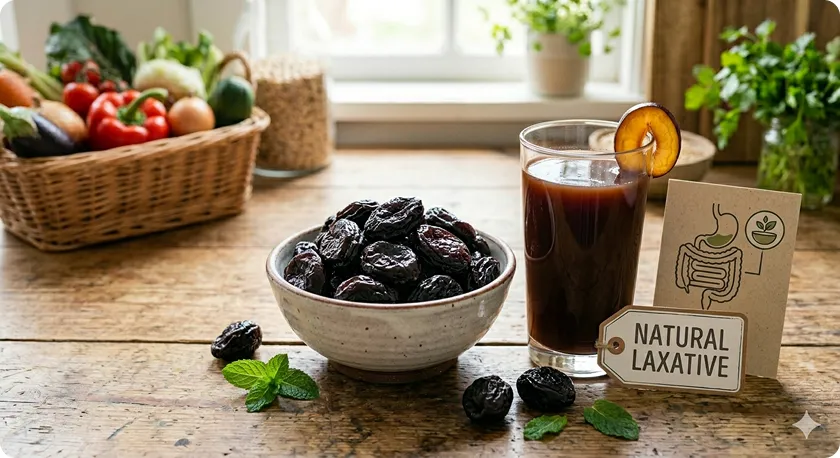
Prunes have long been used as natural remedies for constipation, and they remain popular because of their effectiveness. For gentle relief, start with half a cup (around 4 oz) of prune juice or five dried prunes per day. Increase your intake gradually and drink plenty of water to avoid bloating or diarrhea. If you are limiting sugar, opt for whole prunes rather than juice or seek personalized advice from a dietitian.
6. Include Whole Grains, Nuts, and Seeds
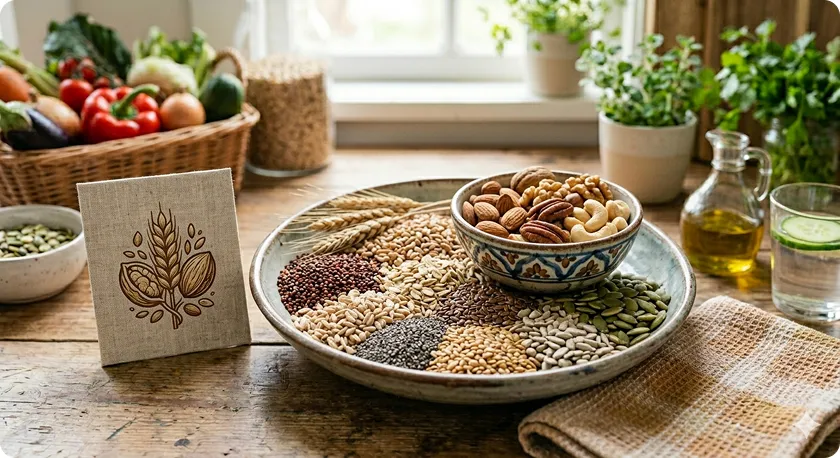
Whole grains, nuts, and seeds contribute both fiber and healthy fats. Choose grains such as oats, barley, brown rice, quinoa, and rye instead of refined bread or pasta; they deliver much more fiber. Nuts like almonds, walnuts, and pistachios, and seeds such as chia and flax, add bulk and nutrition in small amounts. Even air‑popped popcorn and homemade trail mix can count toward your fiber total. Look for products with at least 3 grams of fiber per serving, and gradually replace white bread, rice, or pasta with whole‑grain versions.
7. Adopt Healthy Lifestyle Habits

Food is only one piece of the constipation puzzle. Don't ignore the urge to go, and manage stress and sleep, because stress hormones and fatigue can slow digestion. If you experience constipation for more than three weeks or notice severe pain, blood, or unexplained weight loss, consult a healthcare professional. Incorporating these lifestyle practices alongside dietary changes builds a solid foundation for digestive health.
FAQs
1. Which foods quickly relieve constipation?
When paired with sufficient fluid intake, high-fiber fruits like prunes, pears, and kiwis, as well as vegetables, lentils, and healthy grains, offer immediate relief.
2. Which foods cause you to defecate?
Fruits high in sorbitol, such as apples and prunes, and vegetables high in fiber, such as beans, lentils, and seeds, help produce stools with greater volume and moisture.
3. How much prune juice for constipation?
Start with about 4 oz (120 mL) in the morning; a second glass at night may be taken if needed.
4. How many prunes for constipation?
Five dried prunes equate to roughly half a cup of juice; increase slowly and drink water to avoid bloating.
5. Can drinking more water relieve constipation?
Yes, fiber needs water to soften stools, so drink at least eight cups of water, juice with pulp, or broth each day.
Conclusion
Constipation is a prevalent issue that typically improves with dietary and lifestyle modifications. Your intestines can acquire the fiber they require by eating a lot of fruits, vegetables, legumes, whole grains, and nuts. You may also keep your stools soft by drinking plenty of water and using natural laxatives, such as prunes. Regular meals, exercise, and stress reduction further enhance these advantages. See a medical expert if your symptoms don't go away or if you experience excruciating pain, bleeding, or unexplained weight loss.
Internal Links
- 7 Proven Colon Cleanse Drink Ideas That Work
- Non-HDL Cholesterol High: 5 Proven Ways to Understand and Manage It
- 5 Proven Magnesium Glycinate Benefits for Women’s Health and Wellness
External Links
- Foods for Constipation
- Eating, Diet, & Nutrition for Constipation
- 8 Remedies To Relieve Constipation
References
- Health Benefits of Plums and Prunes - King West Chiropractic https://www.kingwestchiropractic.com/health-benefits-of-plums-and-prunes/
- What the Shape Of Your Faeces Says About You, Study - TalkAfricana https://talkafricana.com/what-the-shape-of-your-faeces-says-about-you-study/
- Soluble vs. Insoluble Fiber: Why It Matters for Your Health https://www.verticalprimarycare.com/post/soluble-vs-insoluble-fiber-why-it-matters-for-your-health
- Cereal Reduces Blood Pressure https://www.georgia-medicareplans.com/cereal-reduces-blood-pressure/
About the author
Healthy Eats Guide Team
Editorial Team
The Healthy Eats Guide editorial team researches and writes practical health and wellness content focused on clarity, sourcing, and everyday usefulness.
Related blogs
Heart Failure Diet: 10 Essential Foods for Better Heart Health
Heart failure diet: Discover 10 essential foods and a heart healthy meal plan to support circulation, reduce strain, and protect your heart. Start today.
15 min read
Best Diet for Arthritis: 7 Essential Foods for Joint Health
Best diet for arthritis: foods for joint health and foods that help arthritis. Improve mobility and reduce pain. Start reading today.
8 min read
Anti-Inflammatory Snacks: 10 Proven Fruits for Inflammation
Anti-inflammatory snacks with fruits for inflammation and foods that are anti inflammatory. Discover a low inflammatory breakfast guide and boost health now.
11 min read
Newsletter
Get practical health guides in your inbox
Occasional updates with clear nutrition, habits, and wellness reading — no spam, unsubscribe anytime.