
Recreational Soccer Benefits: 7 Reasons to Play Today
Recreational soccer benefits boost heart fitness, soccer body composition, and bone strength. Discover seven reasons to play and start today!
By Healthy Eats Guide Team
Published
Updated
9 min read
Introduction
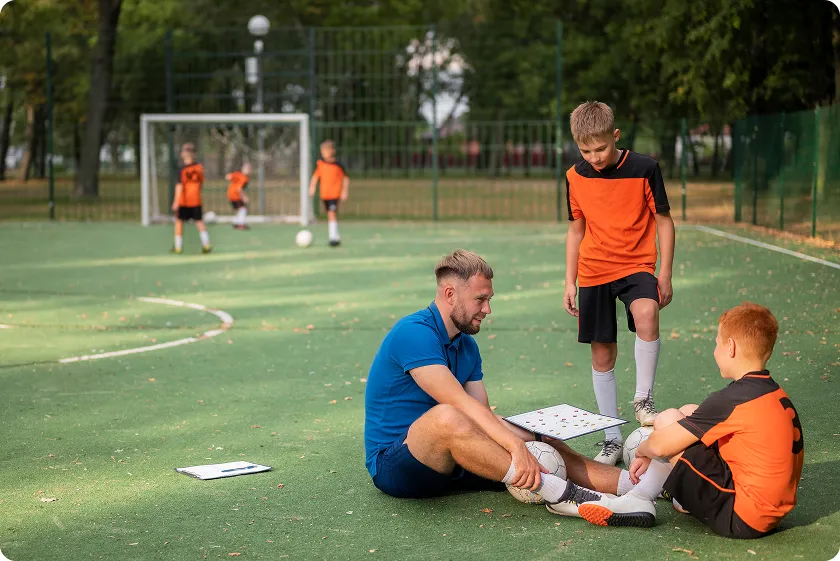
Do workouts feel repetitive, or is solo exercise hard to maintain? The benefits of recreational soccer go beyond simply burning calories: a friendly game can support cardiovascular health, strength, social connection, and long-term fitness. Because play mixes walking, jogging, quick runs, turns, and short rests, it combines aerobic and anaerobic exercise without feeling like a rigid workout.
This guide explains seven evidence-based reasons to play, how to begin safely, and how to adapt the game to your fitness level. You will leave with a practical plan to make soccer a healthy habit.
Why Recreational Soccer Benefits Your Heart and Metabolism

Many people know they should exercise but find it hard to maintain steady running or gym routines. Recreational soccer constantly changes pace, challenging the heart and muscles through moderate movement and brief, higher-intensity efforts. This helps answer two common questions: What are the health benefits of playing soccer, and can recreational soccer improve heart health? Research consistently links regular play to improved cardiorespiratory fitness, lower blood pressure, and better body composition.
1. Improves Heart and Lung Fitness
One of the best-known benefits of recreational soccer is improved cardiorespiratory fitness. Small-sided games keep players moving while repeated runs challenge the heart and lungs more than easy walking alone. A randomized study of previously untrained men found that 12 weeks of recreational soccer increased maximal oxygen uptake by about 13%, although individual results will vary.
Practical tip: Begin with 20–30 minutes of three-versus-three, four-versus-four, or casual drills. Use the "talk test": you should breathe harder but still be able to speak during most of the session.
2. May Help Lower Blood Pressure
Soccer cardiovascular health also includes how efficiently the heart pumps blood at rest. In the same 12-week study, average blood pressure fell from 130/77 mmHg to 122/72 mmHg in the soccer group. Broader reviews also report improvements in blood pressure and resting cardiovascular function, especially with regular training.
Practical tip: Aim for one or two weekly sessions at first. People with hypertension, chest pain, dizziness, or heart disease should ask a healthcare professional what level of play is appropriate before starting.
3. Supports Healthier Body Composition
How does soccer help reduce body fat? Repeated movement, acceleration, and changes in direction increase energy expenditure while also loading the legs and core. In the 12-week trial, soccer participants lost about 2.7 kilograms of fat mass and gained about 1.7 kilograms of lean mass on average.
These changes in soccer body composition make the game a useful weight-management exercise, but nutrition and consistency still matter. Pair regular sessions with balanced meals, hydration, and sleep instead of expecting rapid weight loss.
Key physical changes linked with regular recreational soccer
| Health area | What soccer may improve | What you may notice |
|---|---|---|
| Cardiorespiratory fitness | Oxygen use and exercise capacity | Less breathlessness during daily activity |
| Blood pressure | Resting systolic and diastolic pressure | Better readings over time |
| Body composition | Lower fat mass and greater lean mass | Improved waist fit, strength, and stamina |
| Metabolic health | Blood lipids and glucose control | Better overall risk profile |
Results depend on health, intensity, diet, and consistency.
Recreational Soccer Benefits for Bones, Muscles, and Healthy Aging
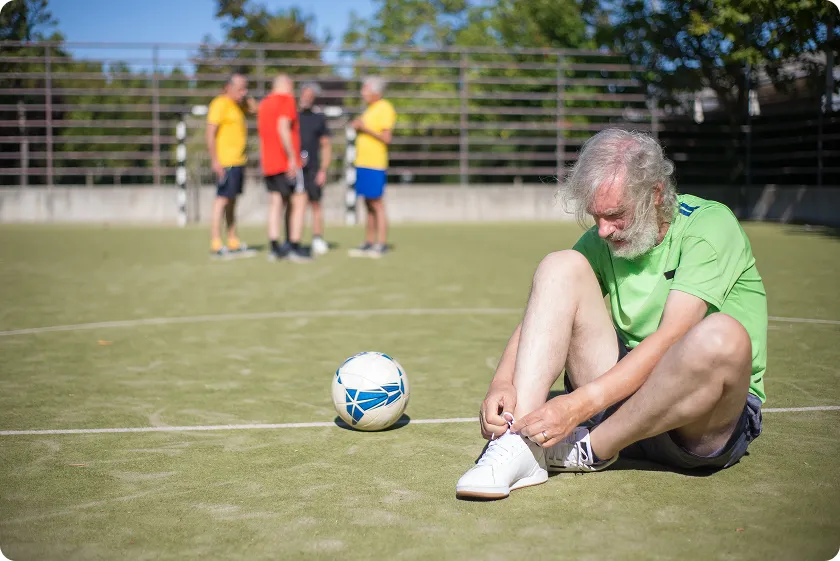
Soccer does more than train the heart. Stopping, turning, kicking, and bearing body weight challenge bones and muscles, which explains the interest in soccer bone health. These movements may also improve balance and everyday function. For anyone asking why soccer is good for bone health or whether it is good exercise for older adults, the answer is that the game can be adapted to provide meaningful physical challenges.
4. Strengthens Bones Through Varied Impact
Bone responds to regular loading, especially when movement changes direction and speed. Soccer includes short runs, jumps, kicks, and side-to-side actions that provide more varied bone-loading signals than many smooth, repetitive activities. In one 16-month study of adult women, recreational football improved whole-body bone mineral density, muscle function, and postural balance.
Practical tip: Build gradually if you have been inactive. Start on a flat, well-maintained surface, wear supportive footwear, and avoid hard tackles while your joints and bones adapt.
5. Builds Functional Strength, Balance, and Agility
Another benefit of recreational soccer is that it trains several fitness qualities at once. Passing strengthens the hips and legs, defending requires balance, and changing direction develops coordination. These skills can support easier movement in daily life.
Research in adult women found improvements in eccentric muscle strength and rapid force production after long-term recreational play. Add two short strength sessions each week, including squats to a chair, calf raises, bridges, and gentle core work, for more complete injury protection.
6. Offers Adaptable Exercise for Older Adults
Soccer for older adults does not need to mean full-speed competition. Walking football removes running and often limits contact, making play more accessible for people returning to activity. Reviews suggest it can support physical fitness, social connection, quality of life, and selected cardiometabolic measures, although the evidence is still developing.
Practical tip: Look for age-matched or beginner-friendly walking football sessions led by a trained leader. Older adults should also include balance and muscle-strengthening activities, consistent with the World Health Organization's physical activity guidance.
Recreational Soccer Benefits for Motivation and Lasting Habits
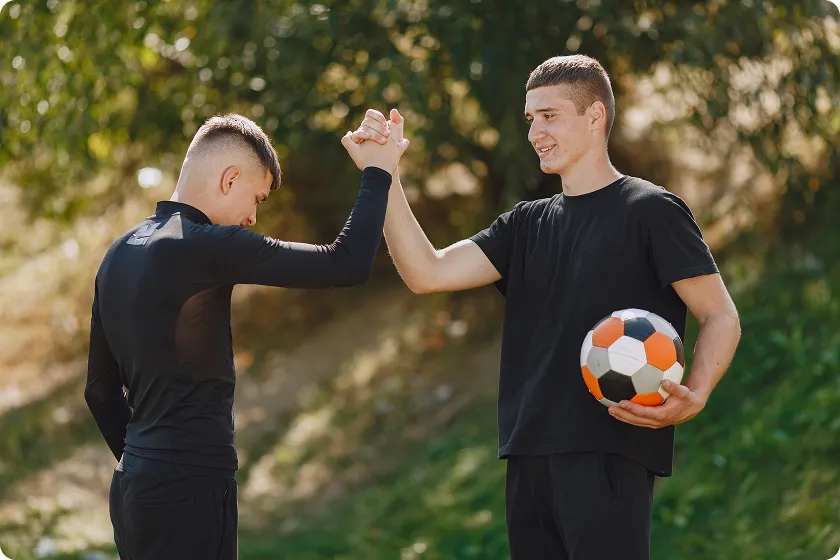
Exercise works best when it becomes a regular habit. Team sport health benefits can support consistency through enjoyment, shared goals, and scheduled contact. This is valuable when solo exercise feels boring or isolating. Alongside soccer's cardiovascular health benefits, the social side broadens the answer to what those benefits are.
7. Boosts Enjoyment, Connection, and Motivation
A systematic review linked adult sport participation with positive mental and social outcomes, while football researchers describe the approach as "football is medicine." Recreational sessions foster cooperation, friendly competition, and a sense of belonging. These experiences can encourage players to return week after week.
Practical tip: Choose a group that matches your goals. A friendly beginner league, a family kickabout, a workplace game, or a walking football club may be more sustainable than a highly competitive team.
Start Safely and Reduce Injury Risk
The benefits of recreational soccer are strongest when play remains safe enough to continue. Warm up for 10–15 minutes with easy movement, controlled turns, balance work, and gradual ball drills. Structured neuromuscular warm-up programs, such as the FIFA 11+, have been associated with fewer lower-limb injuries, though results vary across groups.
Stop if you develop chest pressure, faintness, severe shortness of breath, or sudden joint pain. Return slowly after illness or injury, and seek medical advice when symptoms or existing conditions make vigorous exercise uncertain.
Use a Simple Weekly Plan
You do not need daily matches to gain the recreational benefits of soccer. The World Health Organization advises adults to get 150–300 minutes of moderate activity or 75–150 minutes of vigorous activity weekly, plus muscle strengthening on two days. Soccer can contribute to this total, but recovery and other movement still matter.
Table 2. Beginner-friendly weekly soccer plan
| Day | Activity | Suggested duration |
|---|---|---|
| Monday | Easy walk and mobility | 20–30 minutes |
| Wednesday | Recreational soccer or walking football | 30–45 minutes |
| Friday | Basic strength and balance | 20–30 minutes |
| Weekend | Soccer session or relaxed family kickabout | 30–60 minutes |
Increase only one factor at a time: session length, pace, or weekly frequency. This reduces sudden overload and makes the routine easier to maintain.
FAQ
1. What are the health benefits of playing soccer?
Soccer may improve heart fitness, blood pressure, body composition, bone strength, balance, coordination, mood, and social connection when played regularly and safely.
2. Can recreational soccer improve heart health?
Yes. Regular small-sided soccer can improve cardiorespiratory fitness and may lower resting blood pressure, especially in previously inactive adults.
3. Is soccer good exercise for older adults?
It can be. Walking football and low-contact beginner sessions offer adaptable movement, balance practice, social engagement, and moderate cardiovascular exercise for many older adults.
4. How does soccer help reduce body fat?
Soccer combines continuous movement with brief, higher-intensity efforts, thereby increasing energy expenditure. Consistent play works best when paired with balanced nutrition, sleep, and strength training.
5. Is soccer aerobic or anaerobic exercise?
It is both. Jogging and steady movement use the aerobic system, while sprints, jumps, tackles, and fast direction changes rely more on anaerobic energy.
Conclusion
The seven recreational soccer benefits include better cardiorespiratory fitness, healthier blood pressure, improved soccer body composition, stronger bones, better functional strength, accessible options for older adults, and greater social motivation. The game combines aerobic and anaerobic exercise in a form that feels more like play than a workout.
Start with a short, low-contact session, warm up carefully, and choose teammates who respect your current fitness level. Invite a friend, find a local beginner or walking football group, and schedule your first game this week. Share this guide with someone who needs a more enjoyable way to move.
Internal Links
- Exercise for Endorphins: 7 Proven Ways to Boost Happiness
- Workout Plan to Lose Weight: 8 Effective Workout Exercises
- 10 Essential Weekly Workout Plan for Men Tips
External Links
- You Don’t Have to Be a Soccer Pro to Reap the Health Benefits
- 7 Benefits of Kids Playing Soccer
- Soccer’s Top 10 Health Benefits: Why You Should Start Playing Today
References
- The Success Mindset: 10 Daily Affirmations That Will Transform Your Life - Mental Impressions. https://www.mentalimpressions.com/blog/the-success-mindset-10-daily-affirmations-that-will-transform-your-life/
- Which of These Is a Physical Health Benefit Provided by Playing Team Sports?. https://sportsdaynow.com/which-of-these-is-a-physical-health-benefit-provided-by-playing-team-sports/
- How Physically Active Should You Be Based on Your Age | Dagens.com. https://www.dagens.com/health-0/how-physically-active-should-you-be-based-on-your-age/
About the author
Healthy Eats Guide Team
Editorial Team
The Healthy Eats Guide editorial team researches and writes practical health and wellness content focused on clarity, sourcing, and everyday usefulness.
Related blogs
Exercise for Endorphins: 7 Proven Ways to Boost Happiness
Exercise for endorphins boosts mood naturally with physical exercise and happiness tips, stress relief strategies, and fitness benefits. Learn proven ways today.
8 min read

Workout Plan to Lose Weight: 8 Effective Workout Exercises
Workout plan to lose weight with 8 effective exercises, cardio, and weights. Follow this weight loss training plan to burn fat and start today!
10 min read
10 Essential Weekly Workout Plan for Men Tips
Discover the best weekly workout plan for men with these 10 essential tips. Improve your men's fitness schedule for better strength, endurance, and health.
10 min read
Newsletter
Get practical health guides in your inbox
Occasional updates with clear nutrition, habits, and wellness reading — no spam, unsubscribe anytime.