
14-Day Energy Boost Challenge: 7 Proven Daily Habits
Start the 14-day energy boost challenge with 7 natural ways to boost energy, improve focus, sleep better, and build lasting habits. Begin today!
By Healthy Eats Guide Team
Published
9 min read

Introduction
Do you wake up tired, lose focus in the afternoon, or rely on caffeine to get through the day? The 14-day energy boost challenge is a practical reset based on seven realistic actions, not detox drinks, extreme workouts, or costly supplements. These natural ways to boost energy support better sleep, balanced meals, hydration, movement, and stress control. By Day 14, you will have a routine you can continue long after the challenge ends.
Health note: Fatigue that lasts for weeks, worsens, or disrupts daily life may have an underlying cause. Speak with a healthcare professional, especially if you also experience unexplained weight changes, breathing problems, fainting, severe low mood, heavy bleeding, or loud snoring with breathing pauses.
Why Better Daily Energy Matters

Low energy can affect concentration, mood, school, work, exercise, and relationships. It may also create a cycle of less movement, irregular eating, poor sleep, and heavier caffeine use. Understanding why you feel tired even after sleeping helps you adopt helpful habits rather than blaming yourself. The goal is not endless energy, but steadier energy and better awareness of your needs.
Sleep Time Is Not the Whole Story
You may spend enough hours in bed and still wake unrefreshed. Sleep timing, interruptions, stress, late caffeine, snoring, and sleep apnea can reduce sleep quality. Most adults need at least 7 hours of sleep, while teenagers generally need more, so sleep and energy levels are closely linked. Keep your bedtime and wake time consistent throughout the challenge.
Energy Crashes Often Follow Patterns
Skipped meals, sugary snacks, long periods of sitting, and too little water can lead to predictable dips. This makes nutrition for energy levels more useful than searching for one miracle food. For three days, record when you feel tired and what happened during the previous two hours. You may notice a connection with food, water, movement, or stress.
Persistent Fatigue Needs Attention
Healthy routines can help with ordinary tiredness, but they cannot diagnose every cause. Ongoing fatigue may be related to anemia, thyroid problems, diabetes, sleep disorders, low mood, medicines, or other conditions. A clinician can review your symptoms, sleep, diet, medicines, and whether testing is needed. Do not use this challenge to delay medical care.
The 7 Habits in Your 14-Day Energy Boost Challenge

The core strategy is repetition, not perfection. These energy-boosting habits are small enough to fit busy and low-motivation days. Complete all seven when practical, but do not restart after one missed day. This is how to naturally boost your energy in 14 days without changing everything at once.
1. Keep a Consistent Sleep Schedule
Choose bedtime and wake-time targets that allow enough sleep, then stay within about 30–60 minutes each day. Add a short wind-down with dimmer light, quiet reading, stretching, or a warm shower. A regular rhythm supports your body clock and creates a stronger morning energy routine. Avoid shifting your weekend schedule by several hours.
2. Drink Water Early and Regularly
Start with a glass of water after waking, especially after a warm night or morning exercise. Keep water visible and drink with meals rather than forcing large amounts at once. Needs vary with climate, body size, activity, health, pregnancy, and medicines. Hydration and energy are connected because dehydration can contribute to headache, poor concentration, and fatigue.
3. Build Balanced Meals and Snacks
Combine fiber-rich carbohydrates with protein and healthy fats for steadier energy. Try oats with yogurt and fruit, eggs with whole-grain toast, lentils with rice and vegetables, or an apple with peanut butter. These combinations usually satisfy hunger longer than sweets eaten alone. They also answer the question of which foods help increase energy levels: regular, nutrient-rich meals matter more than a single "energy food."
Balanced food combinations for steadier energy
| Eating time | Example | Energy-supporting features |
|---|---|---|
| Breakfast | Oats, yogurt, fruit, and wild | Carbohydrates, protein, fiber, and healthy fat |
| Lunch | Lentils or chicken, whole grains, and vegetables | Protein, fiber, and essential nutrients |
| Snack | Fruit with nuts, cheese, or yogurt | Carbohydrates paired with protein or fat. |
| Dinner | Fish, tofu, eggs, or beans with rice and vegetables | Balanced fuel without depending on sweets |
4. Practice Mindful Movement for Energy
Movement does not need to be intense to help. Take a 5–10-minute walk, stretch between tasks, climb stairs, or dance to one song. The CDC states that "every little bit of physical activity helps," and regular activity can also improve sleep and well-being. Mindful movement for energy should leave you more alert, not exhausted.
5. Get Morning Light and Fresh Air
Spend 10–20 minutes outdoors after waking when practical. You might eat breakfast outside, take a brief walk, or get some daylight on your journey to school or work. Morning light gives your body clock a clear daytime signal, while bright evening light can delay sleep timing. Pairing light with gentle movement creates an easy energy reset routine.
6. Take a Five-Minute Stress Reset
Stress can affect sleep, appetite, concentration, and energy. Once or twice daily, pause for slow breathing, stretching, prayer, meditation, journaling, or quiet time outdoors. The CDC recommends small daily steps for stress management and notes that even five minutes of self-care can help. These stress management habits reduce mental overload before it becomes exhaustion.
7. Use Caffeine Strategically
Caffeine may briefly improve alertness, but it cannot replace sleep, food, or water. Keep it earlier in the day and reduce it gradually if it causes anxiety, palpitations, stomach upset, or poor sleep. The FDA states that up to 400 milligrams daily is generally not associated with adverse effects in most adults, although sensitivity varies. Children and teenagers should avoid energy drinks.
Your 14-day energy reset routine
| Days | Main focus | Daily action |
|---|---|---|
| 1–2 | Observe | Record sleep, meals, water, movement, caffeine, stress, and energy dips |
| 3–4 | Stabilize sleep | Set consistent sleep and wake times |
| 5–6 | Improve hydration | Drink water after waking and with meals |
| 7–8 | Balance food | Include protein and fiber at meals and snacks |
| 9–10 | Move more | Add two 5–10-minute movement breaks |
| 11–12 | Reset stress | Practice one five-minute calming activity |
| 13–14 | Review | Keep the three habits that helped most |
How to Make Your New Energy Habits Last
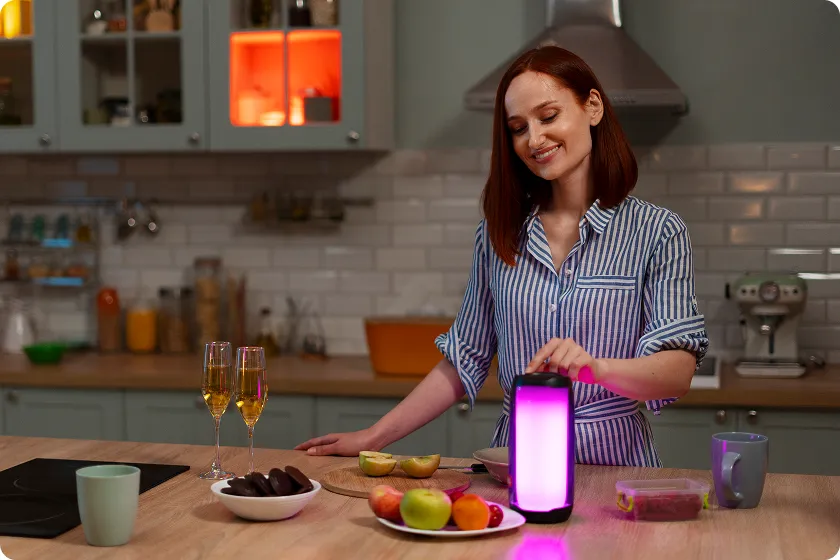
A challenge only works when it leads to a routine you can maintain. Healthy habit-building depends on making actions obvious, easy, and repeatable rather than waiting for motivation. Use the final two days to identify your most helpful changes. This is how to build long-term energy habits without overhauling your whole life.
Track Patterns, Not Perfection
Rate your energy from 1–10 in the morning, afternoon, and evening. Add one short note about sleep, meals, movement, stress, and caffeine. After 14 days, look for recurring patterns rather than judging a single difficult day. A habit is useful when it improves your average week.
Adapt the Challenge to Your Health
People with chronic illness, disability, pregnancy, diabetes, kidney or heart conditions, eating disorders, or medicines affecting fluids and energy may need personalized guidance. Replace workouts with gentle or seated movement when necessary. Do not force water, restrict food, or push through concerning symptoms. Small habits may help, but safety comes first.
Create a Minimum Version
On difficult days, use a two-minute version: one glass of water, one balanced snack, one stretch, one minute outdoors, or five slow breaths. This protects consistency when life is busy. A reduced habit still keeps your routine active. Return to the full version when your time and energy improve.
FAQ
1. Why do I feel tired even after sleeping?
Poor sleep quality, inconsistent timing, stress, snoring, sleep apnea, medicines, or an underlying health condition may be involved. Track your symptoms and seek medical advice if the problem continues.
2. Can small daily habits improve energy levels?
Yes. Consistent sleep, balanced meals, hydration, movement, morning light, stress control, and careful caffeine use can support steadier energy, especially when practiced together.
3. What foods help increase energy levels?
Choose fiber-rich carbohydrates, protein, vegetables or fruit, and healthy fats. Helpful combinations include oats with yogurt, lentils with rice, eggs with whole-grain toast, or fruit with nuts.
4. How does hydration affect energy?
Dehydration can contribute to tiredness, headaches, dizziness, and poor concentration. Drink regularly and increase fluid intake during heat or exercise unless a clinician has advised a fluid restriction.
5. How can I build a morning energy routine?
Wake at a regular time, drink water, get outdoor light, eat a balanced meal when hungry, and add brief movement. Keep the sequence simple enough to repeat most days.
Conclusion
The 14-day energy boost challenge combines seven practical habits: regular sleep, hydration, balanced nutrition, mindful movement, morning light, stress resets, and strategic caffeine use. Together, these natural ways to boost energy create a realistic energy-reset routine and make building healthy habits easier.
Start Day 1 today, track your energy honestly, and share the challenge with a friend or family member who can keep you accountable.
Internal Links
- UV Protection of Sunglasses: 9 Essential Eye Safety Facts
- Does Drinking Alcohol Age You? 7 Essential Facts
- Statin Therapy Guidelines: 5 Essential LDL Goals
External Links
- Introducing the 14-Day Energy Boost Challenge
- 7 Daily Habits to Boost Energy Naturally: Proven Fatigue Solutions and Vitality Tips Without Caffeine
- Free 14-Day Healthy Habits Challenge
References
- Is Dizziness a Sign of Pregnancy? | Conceive Plus®. https://conceiveplus.com/blogs/blog/is-dizziness-a-sign-of-pregnancy
- How to Prevent Parkinson's Disease - 3 Simple Practices. https://hellodoctor.com.ph/brain-ns/parkinsons/how-to-prevent-parkinsons-disease/
- 3 Day Movement Challenge | Move with Mikayla. https://www.movewithmikayla.com.au/3-day-movement-challenge/
About the author
Healthy Eats Guide Team
Editorial Team
The Healthy Eats Guide editorial team researches and writes practical health and wellness content focused on clarity, sourcing, and everyday usefulness.
Related blogs
How Many Carbs Are in a Slice of Bread: 7 Essential Facts
How many carbs are in a slice of bread? Learn bread carbohydrate content, fiber, serving sizes, and smarter choices for blood sugar. Read more.
11 min read
Room Temperature in Celsius: 8 Essential Facts to Know
Room temperature in Celsius explained, with normal and ideal indoor temperature ranges. Learn how comfort, health, and environment affect it today.
12 min read

Why Like the Smell of Own Farts: 7 Proven Facts
Why like the smell of own farts? Learn why your brain accepts your own fart smell, why other people's farts smell worse, and how odour perception works.
11 min read
Newsletter
Get practical health guides in your inbox
Occasional updates with clear nutrition, habits, and wellness reading — no spam, unsubscribe anytime.