
UV Protection of Sunglasses: 9 Essential Eye Safety Facts
UV protection of sunglasses keeps eyes safe from harmful rays. Learn uv sunglasses protection tips and ensure full protection for the eyes today!
By Healthy Eats Guide Team
Published
Updated
6 min read

Introduction
UV protection of sunglasses is not just a style choice—it’s essential for your eye health. Exposure to ultraviolet (UV) rays from the sun can cause both short-term and long-term damage to your eyes, ranging from discomfort and irritation to serious conditions such as cataracts and macular degeneration. Many people assume that any dark pair of sunglasses offers protection, but not all sunglasses effectively block harmful UV rays.
Understanding UV protection in sunglasses can help you make informed decisions and protect your vision. This guide breaks down everything you need to know about how sunglasses protect from UV rays, common misconceptions, and how to choose eyewear that truly safeguards your eyes.
Why UV Protection Matters
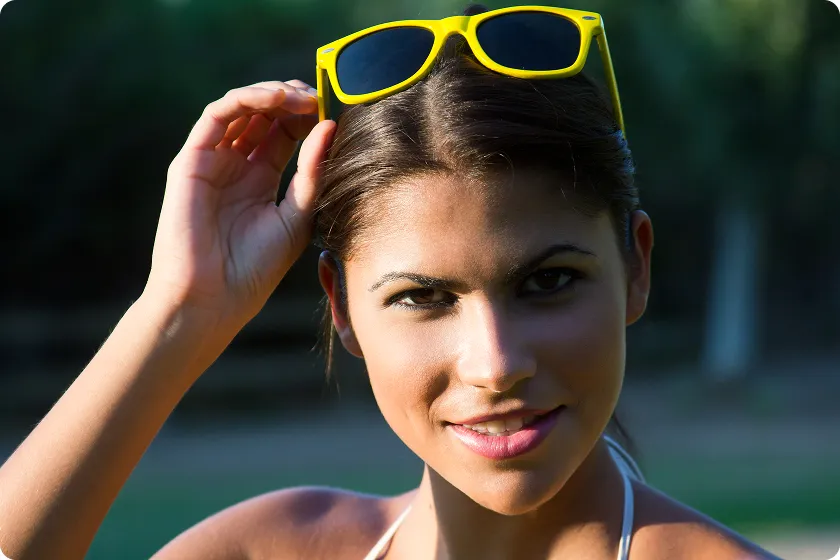
UV rays are invisible but powerful. They can damage the surface of the eye and the retina, sometimes without immediate symptoms. Here’s why you should never overlook UV protection:
- Prevents cataracts: Prolonged exposure to UV-B rays increases the risk of lens clouding.
- Reduces risk of macular degeneration: UV-A rays can damage the retina over time.
- Protects delicate skin around the eyes: Skin cancers can develop in this area.
- Prevents photokeratitis: A painful condition similar to sunburn on the cornea.
Even on cloudy days, up to 80% of UV rays penetrate clouds, making sunglasses essential year-round.
Types of UV Rays and Their Effects
Understanding the types of UV radiation helps in selecting sunglasses wisely:
| UV Type | Wavelength | Eye Effects | Sunglasses Requirement |
|---|---|---|---|
| UVA | 320–400 nm | Retina damage, aging effects | Sunglasses should block 100% UVA |
| UVB | 280–320 nm | Cataracts, cornea damage | Sunglasses should block 100% UVB |
| UVC | 100–280 nm | Mostly blocked by atmosphere | Mostly blocked by the atmosphere |
Key takeaway: Look for sunglasses labeled 100% UV protection or UV400—this blocks both UVA and UVB rays.
9 Essential Eye Safety Facts
1. UV Rays Can Damage Your Eyes
Fact: Both UVA and UVB rays can cause serious long-term eye damage, including cataracts, macular degeneration, and corneal sunburn.
Action: Always wear sunglasses with 100% UV protection or UV400 lenses.
2. Not All Sunglasses Block UV Rays
Fact: Dark lenses alone do not guarantee UV protection. Some cheap sunglasses only reduce brightness, letting harmful rays through.
Action: Look for certification labels or UV-blocking claims on the glasses.
3. Eye Protection Is Needed Year-Round
Fact: UV rays penetrate clouds and reflect off surfaces like water, sand, and snow, making exposure dangerous even on cloudy days.
Action: Wear UV sunglasses anytime you’re outdoors.
4. Sunglasses Protect Against Photokeratitis
Fact: Photokeratitis is like a sunburn on your cornea, caused by intense UV exposure. It can cause temporary vision loss, pain, and light sensitivity.
Action: Wear proper UV glasses during outdoor activities, especially at high altitudes or near reflective surfaces.
5. Dark Lenses Without UV Protection Can Harm
Fact: Dark lenses make pupils dilate, letting more UV light reach your eyes, increasing the risk of damage.
Action: Never buy sunglasses solely for tint—ensure they block UV rays.
6. Sunglasses Protect the Skin Around Your Eyes
Fact: The delicate eyelid skin is prone to UV-induced skin cancers and premature aging.
Action: Choose sunglasses with large or wraparound frames to shield the surrounding skin.
7. Polarized Lenses Reduce Glare, Not UV
Fact: Polarization improves comfort by cutting glare from water, roads, or snow, but doesn’t block UV by itself.
Action: Combine polarization with 100% UV protection for maximum safety.
8. UV Protection Standards Matter
Fact: Lenses labeled UV400 block 100% of UVA and UVB rays. Without this standard, your eyes may remain unprotected.
Action: Always check the label before purchasing sunglasses.
9. Proper Maintenance Ensures Ongoing Protection
Fact: Scratched or worn lenses can reduce UV effectiveness, exposing eyes to damage.
Action: Clean with microfiber cloths, store in cases, and replace damaged sunglasses promptly.
Checklist: Ensuring Proper UV Protection
| Step | What to Check |
|---|---|
| Label | 100% UV or UV400 protection |
| Lens quality | No scratches, clear material, consistent tint |
| Frame coverage | Wraparound or large lenses for full eye coverage |
| Comfort | Snug fit without slipping |
| Maintenance | Clean regularly, replace when worn |
FAQ
1. Are sunglasses bad for your eyes?
Only if they are dark but lack UV protection, as they can let in more harmful rays than no sunglasses.
2. Do sunglasses protect your eyes from UV rays?
Yes, sunglasses labeled 100% UV or UV400 block UVA and UVB rays effectively.
3. Can sunglasses damage your eyes?
Yes, poorly made or tinted lenses without UV protection can increase UV exposure.
4. What UV protection should sunglasses have?
Look for 100% UV protection or UV400—this blocks both UVA and UVB rays.
5. Why do blind people wear shades?
To protect sensitive eyes from light, reduce discomfort, and prevent injury, even if vision is impaired.
Conclusion
UV protection of sunglasses is non-negotiable for eye health. Protecting your eyes from harmful rays prevents long-term vision problems, eye strain, and skin damage around the eyes. When buying sunglasses, prioritize UV protection over style and price, and take care of them to ensure long-lasting protection.
Internal Links
- Statin Therapy Guidelines: 5 Essential LDL Goals
- 7 Effective Sleeping Remedies to Improve Your Deep Sleep
- Air Purifier for Allergies: 9 Proven Tips for Cleaner Indoor Air This Season
External Links
- 9 Essential Tips for Sports Eye Safety
- The Importance of UV Protection in Eyeglasses and Sunglasses
- Importance of Protecting Eyes From the Sun and Wearing Sunglasses
Reference
- Zahrawani, A., Husna, A. U., Agustria, A., & Darma, S. (2025). Penerapan Metode Profile Matching dalam Menentukan Sunscreen Terbaik Bagi Kulit Berminyak Berdasarkan Konsumen. Journal of Information System Research (JOSH). https://doi.org/10.47065/josh.v7i1.7609
- UV Index Today & Burn Time Calculator | Brzzy Weather. https://brzzy.co/uv-index-today
- Is Skin Cancer Contagious? - Harris Dermatology. https://harrisdermatology.com/news/is-skin-cancer-contagious/
- Understanding and Managing Winter Skin Diseases: Causes, Treatment and Prevention. https://www.apollo247.com/blog/article/winter-skin-disease-causes-treatment-prevention
- Posts tagged as "sunglasses" | Lumina Eye Care. https://www.luminaeyecare.com/blogs/markham-eye-doctors-optometrists-blog/tagged/sunglasses
About the author
Healthy Eats Guide Team
Editorial Team
The Healthy Eats Guide editorial team researches and writes practical health and wellness content focused on clarity, sourcing, and everyday usefulness.
Related blogs

How Many Carbs Are in a Slice of Bread: 7 Essential Facts
How many carbs are in a slice of bread? Learn bread carbohydrate content, fiber, serving sizes, and smarter choices for blood sugar. Read more.
11 min read
Room Temperature in Celsius: 8 Essential Facts to Know
Room temperature in Celsius explained, with normal and ideal indoor temperature ranges. Learn how comfort, health, and environment affect it today.
12 min read

Why Like the Smell of Own Farts: 7 Proven Facts
Why like the smell of own farts? Learn why your brain accepts your own fart smell, why other people's farts smell worse, and how odour perception works.
11 min read
Newsletter
Get practical health guides in your inbox
Occasional updates with clear nutrition, habits, and wellness reading — no spam, unsubscribe anytime.