

✍️ Written By: Healthy Eats Guide Team — Health & Nutrition Specialist
🩺 Medically Reviewed By: Doctor Imran Hameed
📅 Updated: August 2026 | ✅ Fact-Checked & Evidence-Based
Table of Contents

Introduction
Have you ever noticed itchy skin, redness, or small rashes after putting on freshly washed clothes? Your laundry routine may be the hidden reason. Many people overlook how laundry habits that irritate skin and affect comfort, especially when using products that contain harsh chemicals or leave detergent residue on clothes. A laundry detergent allergy or sensitivity to certain ingredients can trigger problems like dryness, itching, and irritation.
From choosing the wrong detergent to overusing fabric softeners, small laundry mistakes can weaken your skin barrier and worsen existing conditions like eczema. In this guide, you will learn the six common laundry mistakes that may irritate your skin and practical ways to create a safer washing routine.
Why Laundry Habits Matter for Skin Health
Your clothes stay in direct contact with your skin for hours, so anything left on the fabric can affect your body. Detergent reactions and contact dermatitis are common because fragrances, dyes, preservatives, and cleaning agents may irritate sensitive skin. Understanding your laundry routine can help reduce itching, redness, and discomfort.
Many people ask, “Why does my skin itch after washing clothes?” The answer is often related to chemical exposure, inadequate rinsing, or products unsuitable for sensitive skin. Making simple changes can protect your skin barrier and improve daily comfort.
1. Using Detergents With Harsh Ingredients

Many conventional detergents contain fragrances, dyes, and strong cleaning chemicals designed to remove stains. However, these ingredients may also trigger irritation, especially for people with sensitive skin.
A laundry detergent allergy does not always mean a true immune allergy. In many cases, it is irritant contact dermatitis caused by repeated exposure to certain chemicals.
Common detergent ingredients linked with irritation include:
- Artificial fragrances
- Dyes
- Enzymes
- Preservatives
- Optical brighteners
The American Academy of Dermatology recommends choosing gentle products and avoiding unnecessary fragrances if you experience skin reactions.
Common Laundry Ingredients and Possible Skin Effects
| Laundry Ingredient | Why It Is Used | Possible Skin Reaction |
|---|---|---|
| Fragrance | Adds a fresh smell | Itching, redness, irritation |
| Dyes | Improves product appearance | Contact dermatitis |
| Enzymes | Breaks down stains | Sensitivity in some users |
| Preservatives | Extends shelf life | Allergic-type reactions |
| Brighteners | Make fabrics look cleaner | Skin discomfort |
How to Choose a Safer Detergent
A hypoallergenic detergent may be a better option for people with sensitive skin. These products are usually formulated without common irritants like dyes and strong fragrances.
Look for labels that say:
- Fragrance-free
- Dye-free
- Dermatologist tested
- Suitable for sensitive skin
Remember that “natural” does not always mean irritation-free. Some plant-based fragrances can still bother sensitive skin.
2. Leaving Detergent Residue on Clothes

Even a gentle detergent can cause problems if it remains trapped in fabric. Detergent residue on clothes can rub against your skin throughout the day, leading to itching or dryness.
This problem is especially common when:
- Too much detergent is used
- Clothes are overloaded in the washer
- The rinse cycle is too short
- The washing machine has buildup
How to Reduce Detergent Residue
Small adjustments can make a big difference:
- Follow the detergent measurement instructions
- Avoid filling the washing machine too much
- Use an extra rinse cycle for sensitive skin
- Clean your washing machine regularly
A clean washing machine also matters because washing machine residue from old detergent, fabric softener, and bacteria can transfer back onto clothes.
Signs Your Clothes May Have Residue
Watch for these clues:
- Clothes feel stiff after washing
- Strong chemical smell remains
- Skin irritation appears after wearing washed items
- Symptoms improve when wearing newly purchased or untreated clothes
3. Overusing Fabric Softener
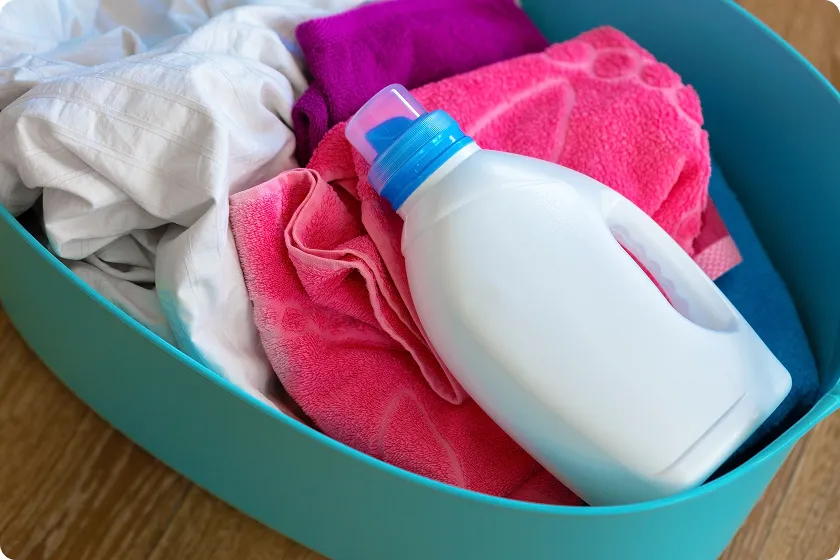
Fabric softeners make clothes feel smoother and smell fresh, but they can sometimes contribute to irritation. Many contain fragrances and conditioning chemicals that remain on fabric fibers.
People often ask, “Can fabric softener cause skin irritation?” Yes, especially if you have sensitive skin, eczema, or frequent rashes.
Why Fabric Softener May Trigger Problems
Fabric softeners work by coating fibers with chemicals. This coating can:
- Reduce fabric absorbency
- Leave fragrance chemicals behind
- Increase skin exposure to irritants
Better Alternatives for Softer Clothes
Consider these options:
- Use fragrance-free fabric products
- Reduce the amount used
- Try wool dryer balls
- Add white vinegar during rinsing (when appropriate)
Avoid using heavily scented products on baby clothes, towels, and underwear because these items are in prolonged contact with the skin.
4. Ignoring Your Skin Type and Existing Conditions
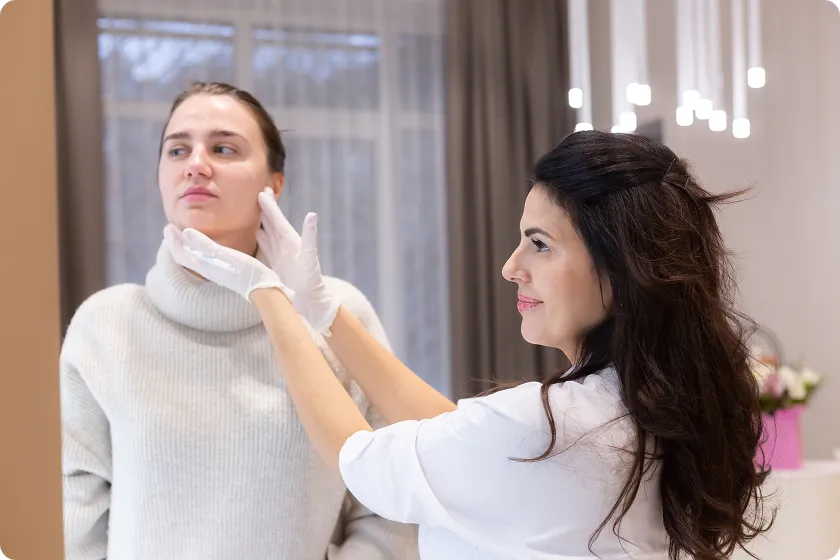
People with eczema, allergies, or naturally dry skin often have a weaker skin barrier. This makes them more vulnerable to irritation from laundry chemicals.
Research published in dermatology literature shows that fragrance exposure is a frequent trigger for contact dermatitis in sensitive individuals.
Laundry Tips for Eczema-Prone Skin
If you have eczema and detergent sensitivity:
- Choose fragrance-free detergent
- Wash new clothes before wearing
- Avoid heavily scented laundry products
- Use extra rinsing when needed
How to Identify a Detergent Reaction
A patch test for allergies performed by a healthcare professional can help identify specific triggers.
Common signs include:
- Red patches
- Burning sensation
- Dry, cracked skin
- Persistent itching
If symptoms continue despite changing products, consult a dermatologist.
5. Washing Clothes Incorrectly

Your washing technique affects how much detergent and chemicals remain on clothing. A poor routine can increase exposure and worsen irritation.
Common Washing Mistakes
| Mistake | Skin Impact | Better Approach |
|---|---|---|
| Using excess detergent | More residue | Measure carefully |
| Skipping extra rinse | Chemicals remain | Add another rinse |
| Washing too many clothes together | Poor cleaning | Use smaller loads |
| Not cleaning washer | Transfers buildup | Maintain machine |
Building a Skin-Friendly Laundry Routine
A safer routine includes:
- Sorting clothes properly
- Using the correct detergent amount
- Selecting suitable wash settings
- Drying clothes completely
These habits reduce unnecessary irritation and help maintain healthier skin.
6. Not Paying Attention to New Laundry Triggers

Sometimes people develop sensitivity after years of using the same products. Changes in detergent formulas, new fabric types, or different softeners can introduce new irritants.
Track Your Skin Reactions
Keep notes about:
- New laundry products
- When symptoms appear
- Which clothes cause problems
- Whether symptoms improve after changes
This can help answer the question, “How to tell if detergent is causing a rash?”
When to Seek Medical Advice
Contact a healthcare professional if:
- The rash spreads
- Skin becomes painful
- You develop swelling
Symptoms do not improve after removing possible triggers
Supportive Habits and Tools for Healthier Laundry

A skin-friendly laundry routine is not complicated. Small product changes and better washing habits can significantly reduce irritation.
Using gentle products, cleaning your washing machine, and paying attention to your skin’s response can help prevent repeated reactions.
Choose Skin-Friendly Laundry Products
A good laundry setup usually includes:
- Fragrance-free detergent
- Dye-free products
- Minimal fabric additives
- Sensitive-skin formulas
Keep Your Washing Machine Clean
A dirty machine can hold detergent buildup and odors. Regular cleaning helps prevent unwanted substances from transferring onto clothes.
Helpful steps:
- Run cleaning cycles regularly
- Wipe detergent compartments
- Leave the washer door open after use
Protect Your Skin After Washing
Laundry care does not end when clothes are clean.
Helpful skin habits include:
- Moisturizing after bathing
- Avoiding harsh soaps
- Wearing breathable fabrics
- Treating irritation early
FAQ
1. How to tell if detergent is causing a rash?
A detergent-related rash often appears after wearing washed clothes and improves when switching products. Redness, itching, dryness, and irritation are common signs.
2. What ingredients in detergent cause skin irritation?
Fragrances, dyes, preservatives, enzymes, and optical brighteners are common ingredients that may trigger irritation, especially in people with sensitive skin.
3. Why does my skin itch after washing clothes?
Skin itching after washing clothes may result from detergent residue, fragrance chemicals, fabric softeners, or sensitivity to laundry ingredients.
4. Can fabric softener cause skin irritation?
Yes. Fabric softeners may leave fragrance and conditioning chemicals on fabrics, which can irritate sensitive skin or worsen eczema symptoms.
5. Is fragrance-free detergent better for sensitive skin?
Yes. A fragrance-free detergent reduces exposure to common irritants and may help people with skin barrier sensitivity avoid unnecessary reactions.
Conclusion
Your laundry routine can directly affect your skin health. Laundry habits that irritate skin often involve avoidable mistakes such as using harsh detergents, leaving detergent residue on clothes, or relying on scented fabric softeners.
Choosing a hypoallergenic detergent, improving washing techniques, and recognizing signs of contact dermatitis or detergent reactions can help reduce itching and irritation. Small changes like extra rinsing, cleaning your washing machine, and avoiding unnecessary fragrances can make clothes safer for daily wear.
Internal Links
- Fatigue vs Exhaustion: 10 Essential Signs You Should Know
- Sublingual Immunotherapy: 7 Proven Allergy Drops Guide
- Sublingual Immunotherapy: 7 Essential Allergy Drops You Should Know About
External Links
- 6 Laundry Habits That Could Be Irritating Your Skin
- Laundry Habits That Can Increase Your Risk of Skin Problems
- 7 Common Laundry Mistakes That Ruin Your Clothes (And How to Avoid Them)
References
- How To Take Care Of Bleached Natural Hair: Tips For Softness And Healthy Maintenance [Updated: August 2026]. https://hairingcaring.com/how-to-take-care-of-bleached-natural-hair/