

Table of contents

Introduction
Coffee is more than a morning ritual—it’s a worldwide habit that raises an important question: Is coffee good for health? Whether you grab a steaming mug to jump‑start your day, sip a creamy latte with friends, or rely on an espresso shot for an afternoon pick‑me‑up, you’ve probably wondered how your daily brew affects your body. Conflicting headlines, diet fads, and personal anecdotes make it hard to know whether drinking coffee is healthy or harmful.
Instead of guessing, it helps to look at the science and focus on the benefits of coffee in the morning and beyond. This article unpacks the facts behind black coffee nutrition, explores why black coffee is good for health when enjoyed responsibly, and offers practical tips you can use right away.
By reading on, you’ll discover why moderate coffee intake offers black coffee health benefits ranging from metabolism and weight management to mood and brain health. You’ll learn how to choose the proper roast or brewing method, when to enjoy your coffee to support good sleep, and why black coffee beverage habits can help longevity.
We’ll also answer long‑tail questions such as “Is coffee good for diabetic individuals?” “Is drinking espresso healthy?” and “Does coffee make you fat?” are explored, along with whether coffee or tea is healthier. You’ll come away with a clear understanding of coffee’s ten key benefits and how to make your daily cup part of a robust wellness coffee routine.
Why This Topic Matters
Coffee is one of the most consumed beverages in the world, with billions of cups served each day. Knowing whether coffee is good for your health helps you make informed decisions about what and how much you drink. Many studies suggest that moderate coffee consumption—about three to five cups per day—can lower the risk of chronic diseases, improve physical performance, and support brain health. But there are also concerns about sleep disruption, jitteriness, heartburn, and the effects on blood sugar. Exploring the evidence helps you harness the benefits of coffee in the morning while minimizing any drawbacks.

Another reason this topic matters is that black coffee is good for health only when consumed without excess sugars or creamers. Making mindful choices about your coffee can help you feel more in control of your health. Black coffee has a naturally low calorie count, making it a better option for weight management than sugar‑laden alternatives. Some people also wonder if black coffee is suitable for people with diabetes. Research indicates that coffee may help with blood sugar control, yet individual responses vary. Understanding these nuances ensures that coffee remains part of a balanced lifestyle rather than a source of empty calories or unwanted side effects.
Top 10 Benefits of Coffee

- Boosts metabolism and supports weight management. The caffeine in coffee mobilizes fat from fat stores. It can increase resting metabolic rate, which may help you burn more calories throughout the day. This means coffee can boost metabolism and, when enjoyed without sugar, supports weight management.
- Provides powerful antioxidants. Coffee contains polyphenols, including chlorogenic acids and flavonoids, which help fight oxidative stress and inflammation. These substances help to reduce the risk of chronic diseases and contribute significantly to the advantages of black coffee.
- Supports blood sugar control. Regular coffee drinkers had a reduced risk of type 2 diabetes, according to long-term studies. When consumed without sugar, coffee’s magnesium and antioxidant content may help improve insulin sensitivity.
- Enhances heart health and reduces stroke risk. Moderate coffee drinking has been related to a lower risk of stroke and heart disease. Coffee components may help blood vessels function more effectively and reduce inflammation.
- Improves mood and reduces depression risk. The caffeine and polyphenols included in coffee can serve as moderate antidepressants. According to studies, drinking two to four cups each day reduces the risk of depression and suicide.
- Protects against neurodegenerative diseases. Drinking coffee has been related to a reduced risk of Alzheimer’s and Parkinson’s disease. Antioxidants and coffee may enhance cognitive performance and protect brain cells.
- Promotes gut health and digestion. Moderate coffee intake supports gut microbiota diversity and increases beneficial bacteria, such as Bifidobacterium. Coffee also stimulates digestion and bowel motility, aiding regularity.
- Enhances physical and cognitive performance. Consuming coffee before exercise can improve endurance, strength, and focus. The stimulating effect of caffeine increases alertness and can enhance memory and reaction time.
- Delivers essential nutrients with almost zero calories. One eight-ounce cup of black coffee has about two calories, a little protein, and minerals like magnesium and vitamin B2. Picking black coffee lets you enjoy the energy benefits of coffee without added sugar or fat.
- May contribute to longevity. Coffee users have a lower risk of death from several causes, according to observational studies. When paired with a healthy lifestyle, coffee becomes a powerful wellness beverage that may extend your life.
Improved Metabolism & Weight Management
Research on coffee and metabolism has surged in recent years because many people want to know whether drinking coffee can help them maintain or lose weight. Coffee contains caffeine, a natural stimulant that mobilizes fats from fat tissues and increases your metabolic rate. Several randomized trials and reviews have shown that caffeine intake can promote weight loss, decrease body mass index, and reduce fat mass. There’s also evidence that coffee influences the gut microbiota, inhibiting fat‑storing cells and modulating proteins involved in lipid production.

Coffee’s weight‑management benefits are most pronounced when you stick to plain black coffee or espresso. An eight‑ounce cup contains only about two calories and no fat, carbs, or sugar. Adding sugar, syrups, or creamers can quickly turn coffee into a high‑calorie drink that promotes weight gain. Timing also matters: drinking coffee 60 minutes before a workout can enhance muscular endurance and performance, making your brew an energy drink that fuels your workout. However, moderation is key. Excessive caffeine may cause jitters, anxiety, or insomnia, so aim for three to five cups per day to stay within the recommended safe limit of about 400 milligrams of caffeine.
Actionable tips for metabolism support:
- Opt for plain black coffee or espresso. Skip the syrups and heavy creamers to keep your coffee low in calories and maximize its fat‑burning potential.
- Strategically time your coffee. Drinking coffee about an hour before exercise can improve physical performance and increase fat oxidation.
- Stay within recommended limits. To avoid side effects, limit yourself to three to five cups of coffee per day and listen to your body’s signals.
Antioxidant Powerhouse
Coffee has more than just caffeine. It also contains polyphenols and other antioxidants that support cell health. Researchers have identified more than 100 polyphenols in coffee, including flavonoids, chlorogenic acids, and tannins. One study found that people who drank 3 cups of coffee rich in antioxidants lost more weight and body fat than those who drank less coffee with antioxidants.
In addition to polyphenols, black coffee supplies trace amounts of vitamins and minerals. A typical cup provides vitamin B2 (riboflavin) and magnesium, both of which support energy production and muscle function. The combination of low calories and beneficial nutrients makes black coffee nutrition unique among beverages. Medium‑roasted organic coffee tends to preserve more phenolic acids than light or dark roasts, and filtering coffee through a paper filter removes diterpenes that can raise cholesterol while preserving antioxidants.
Actionable tips for maximizing antioxidants:
- Choose organic, medium‑roasted beans. Organic beans often contain higher levels of antioxidants, and medium roasts balance flavor and nutrient preservation.
- Use paper filters. Drip coffee brewed through a paper filter reduces diterpenes and retains polyphenols.
- Avoid diluting your coffee with cream or sugar. Additives can dilute antioxidant concentrations. Enjoying black coffee benefits you more.
Diabetes & Blood Sugar Control
“Is coffee good for diabetics?” is a question that many people with or at risk for diabetes ask. The timeline determines the response. Caffeine can also momentarily increase blood sugar levels, which may contribute to the development of type 2 diabetes. Meta-analyses of large populations show that each additional cup of coffee lowers the risk of diabetes by 10–12%, with up to 6 cups per day further reducing risk. These advantages apply to both caffeinated and decaffeinated coffee, suggesting that chlorogenic acids and minerals, such as magnesium, may enhance insulin sensitivity and glucose metabolism.
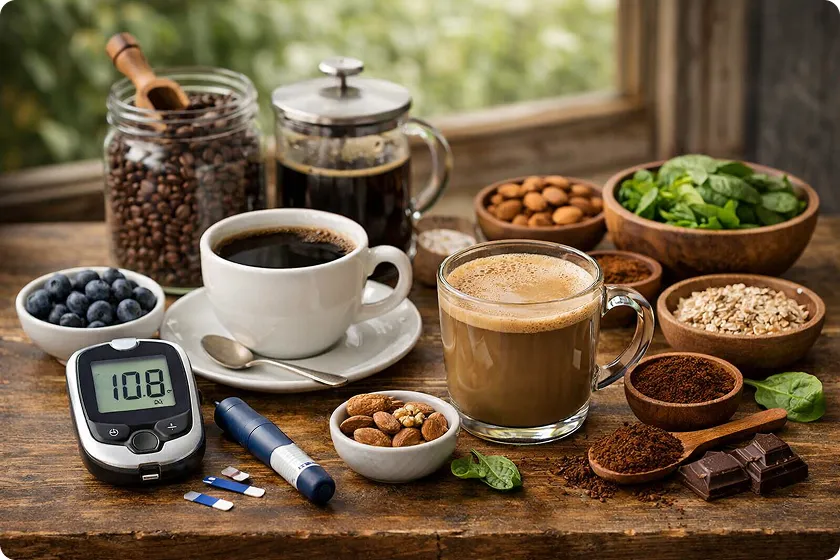
If you already have diabetes, moderation and timing are essential. Spreading your coffee intake throughout the day can help avoid spikes in blood sugar. Opting for decaf later in the afternoon or evening is another way to enjoy coffee’s flavor without affecting sleep or blood glucose. Monitor how your body responds to coffee, and consult a healthcare provider to ensure it aligns with your overall management plan.
Actionable tips for blood sugar management:
- Monitor your response. Monitor how your blood glucose responds to coffee and adjust your intake accordingly.
- Enjoy coffee without sweeteners. Adding sugar or flavored syrups can negate coffee’s protective effect on diabetes risk.
- Consider decaf after midday. Decaffeinated coffee still contains beneficial polyphenols while minimizing caffeine’s stimulatory effects.
Core Strategy / Action Steps
To make the most of coffee’s benefits, you need a core strategy. Drinking coffee responsibly means paying attention to dosage, choosing the proper brew, and understanding how timing affects your health. It also involves staying hydrated, balancing coffee with other beverages, and aligning coffee habits with your unique goals. In this section, you’ll learn how to develop an action plan to enjoy your favorite black coffee while minimizing risks such as insomnia, heartburn, and anxiety. Whether you drink espresso, cold brew, or a simple drip coffee, these steps will help you confidently answer the question, “Is drinking coffee healthy?”

Drinking Coffee Responsibly
Moderation is the cornerstone of a healthy coffee routine. For most healthy adults, three to five cups per day—about 400 milligrams of caffeine—can be considered safe. Jitteriness, anxiety, digestive trouble, and a higher heart rate can result from exceeding this amount. To avoid fetal or infant harm, pregnant or breastfeeding women should limit caffeine to 200 mg per day. Teens and people with certain medical conditions, such as heart arrhythmias or gastrointestinal disorders, should consult a doctor before consuming caffeinated beverages.
Coffee made without a filter, such as French press or Turkish coffee, contains diterpenes that may raise LDL cholesterol. These compounds can be removed by using a paper filter, like in the drip or pour-over methods. Decaf coffee and plant-based options taste similar to regular coffee without the caffeine, making them a good choice for people sensitive to caffeine or prone to heartburn. To avoid dehydration, drink water with your coffee and space out your cups rather than having several at once.
Table 1: Caffeine content in various sources
| Beverage or supplement | Typical serving size | Caffeine (mg) | Notes |
|---|---|---|---|
| Regular coffee (8 oz) | 1 cup | 80–100 | Contains antioxidants and polyphenols |
| Espresso (1 oz shot) | 30 mL | ~63 | Higher caffeine concentration per ounce |
| Decaffeinated coffee | 8 oz | 2–15 | Retains many polyphenols |
| Green tea | 8 oz | 30–50 | Lower caffeine; rich in catechins |
| Black tea | 8 oz | 40–70 | Comparable antioxidants but less caffeine |
| Caffeine pill | 1 tablet | 100–200 | Highly concentrated; easy to exceed limits |
Key takeaways for responsible drinking:
- Space out your cups. Avoid drinking large amounts in a short period to reduce jitteriness.
- Stay hydrated. Drink water with every cup of coffee.
- Listen to your body. If you feel shaky or anxious, cut back or switch to decaf.
Choosing the Right Brew
The nutrient profile, flavor, and caffeine amount of your coffee vary depending on the brewing method and roast used. Espresso provides a substantial amount of caffeine and antioxidants in a little volume. Drip coffee made with a paper filter offers a compromise between convenience and health. Cold brew, created by steeping ground coffee in cold water for several hours, has lower acidity and may be gentler on sensitive stomachs. Caffè Americano, or diluted espresso, has fewer antioxidants than a single dose, but it still contains some beneficial chemicals.
Roast level also matters. Light roasts preserve more caffeine but fewer antioxidants. In contrast, dark roasts have a bolder flavor but may lose some beneficial compounds. Medium roasts offer a balance between taste and nutrient retention. Organic coffee beans often contain higher levels of beneficial polyphenols and lower levels of pesticides. When choosing your brew, consider not only the taste but also the health effects, especially if you’re looking for espresso coffee benefits or wondering about the nutrition of a caffe Americano.
Table 2: Brew methods and antioxidant content
| Brew method | Approximate antioxidant level | Highlights | Considerations |
|---|---|---|---|
| Espresso | Highest per ounce | Intense flavor; concentrated antioxidants and caffeine | Small serving size; may be too strong for some |
| Americano | Lower per ounce | Diluted espresso; milder flavor | Fewer antioxidants due to dilution |
| Cold brew | Moderate | Smooth taste; lower acidity | Robust flavor; whole body |
| Drip coffee (paper filter) | Balanced | Removes diterpenes; retains polyphenols | Convenient; widely available |
| French press | Varies | Robust flavor; full body | Retains diterpenes; may raise LDL cholesterol |
Timing and Sleep Considerations
While coffee perks you up and provides focus, drinking it late at night can disrupt sleep. Caffeine blocks adenosine receptors, increasing wakefulness and potentially leading to insomnia. To maintain your sleep patterns, avoid caffeinated coffee at least 6 hours before bedtime. If you enjoy a hot drink in the evening, opt for decaf coffee or caffeine‑free herbal tea. This reduces the risk of tossing and turning while still satisfying the craving for a warm beverage.

Timing also affects performance. Drinking coffee in the morning aligns with natural cortisol rhythms, offering an extra boost without overstimulating your system. Consuming a cup before exercise improves endurance, speed, and overall athletic performance, making it part of a successful energy coffee strategy. However, combining caffeine with inadequate sleep can lead to an overreliance on stimulants and mood swings. Establish consistent sleep hygiene, with regular bedtimes and wind‑down routines, to get the most from your coffee habits without sacrificing rest.
Supportive Habits & Tools
Coffee alone won’t transform your health, but combining it with supportive habits can magnify its benefits. Combining your coffee with a well-rounded diet, regular exercise, sufficient sleep, and effective stress management forms a powerful wellness routine that boosts energy and enhances overall well-being. This section highlights complementary practices and tools that strengthen coffee’s benefits, from gut health to mental well-being and beyond.

Gut Health & Digestion
Your gut is home to trillions of microorganisms that influence digestion, immunity, and even mood. Moderate coffee consumption—about 1 to 4 cups per day—can increase beneficial bacteria, such as Firmicutes, Actinobacteria, and Bifidobacterium. Coffee also boosts gut microbiota diversity and supports motility, helping to keep your digestive system moving smoothly. By contrast, excessive consumption (more than five cups a day) may aggravate acid reflux and exacerbate conditions like Crohn’s disease.
Coffee’s natural acids stimulate gastric secretions, which can help digestion for some but cause discomfort for others. If you are sensitive to acidity, drinking coffee on an empty stomach may worsen your heartburn. To support gut health, pair your coffee with a fiber‑rich breakfast or snack, and consider filtered or cold-brew methods if you experience reflux. Adding prebiotic foods—such as fruits, vegetables, and whole grains—further nourishes gut bacteria and enhances the benefits of coffee.
Practical strategies for gut health:
- Eat before or with your coffee. Having food in your stomach can buffer acidity.
- Choose filtered or cold brew options. These are gentler on the digestive system and limit compounds that raise cholesterol.
- Balance coffee with prebiotics and probiotics. Include fermented foods and fiber‑rich produce in your diet.
Mental Health & Mood
Coffee’s impact on mood is a double‑edged sword. On the one hand, caffeine and polyphenols affect neurotransmitters such as dopamine and serotonin, providing mild antidepressant effects and increasing alertness. Drinking two to four cups per day is associated with a reduced risk of depression and suicide. On the other hand, high doses of caffeine may increase anxiety and restlessness, especially in individuals who are sensitive to stimulants or who have anxiety disorders.
To enjoy the mood‑boosting effects of coffee without the downsides, pay attention to how you feel after drinking it. If you notice jitteriness or worry, try cutting back on caffeine or switching to decaf after midday. Also, combine coffee with other mood‑supporting practices such as regular physical activity, mindfulness or meditation, and connecting with friends and family. These habits help stabilize your energy and emotions so that your daily brew remains an ally rather than a stressor.
Mood‑supporting tips:
- Start with one cup and assess. Everyone’s sensitivity to caffeine is different; adjust your intake accordingly.
- Incorporate relaxation techniques. Meditation or deep breathing can counteract caffeine‑induced anxiety.
- Stay socially connected. Having coffee with a buddy might make you feel better and strengthen your relationships.
Alternatives & Considerations (Tea, Caffeine Pills & Beyond)
Many people wonder whether tea is a healthier choice than coffee, or whether caffeine pills offer the same benefits without the calories. Both coffee and tea contain antioxidants, but their caffeine and polyphenol profiles differ. An eight-ounce cup of coffee typically contains 80 to 100 milligrams of caffeine, while green or black tea contains 30 to 70 milligrams.
Coffee tends to deliver a more substantial energy boost, while tea offers a gentler rise in alertness. Tea, especially green and black varieties, contains high levels of catechins and flavonoids that may reduce chronic inflammation. Ultimately, choosing coffee or tea depends on your taste, caffeine tolerance, and health goals. From a health standpoint, you don’t need to switch from one to the other; you can enjoy both as part of a varied diet.
Caffeine pills are another source of stimulation. Each pill typically contains 100 to 200 milligrams of caffeine, more than in a typical cup of coffee. These pills can enhance physical performance and memory, but they lack the antioxidants and minerals found in coffee or tea. Because they’re highly concentrated, it’s easy to accidentally consume too much, leading to side effects such as rapid heartbeat, anxiety, and insomnia. Supplements are also less regulated, so their actual caffeine content may differ from the label. If you choose to use caffeine pills, do so sparingly and consult a healthcare provider—especially if you are pregnant, breastfeeding, or taking medications.
Practical takeaways for alternatives:
- Prefer whole‑food sources. Coffee and tea provide a balanced mix of caffeine and antioxidants.
- Use caffeine pills cautiously. Only consider them when needed and adhere to dosage recommendations.
- Explore herbal and decaf options. Rooibos, chamomile, or decaffeinated coffee offer warmth without the stimulant effects.
FAQ:
If you still have questions about coffee’s role in a healthy lifestyle, you’re not alone. This FAQ section addresses some of the most common queries with straightforward answers. Each response is designed to give you actionable advice and clarify how coffee fits into your personal wellness plan. Feel free to refer back to these questions whenever you’re uncertain about your brewing habits or want to share knowledge with friends and family.
1. Is black coffee really low in calories?
Absolutely. An eight‑ounce cup of black coffee has roughly two calories and contains no fat, carbohydrates, sugar, or protein. This makes black coffee an excellent choice if you’re watching your calorie intake. Beware of flavored coffees and coffee shop drinks, which can pack 100 to 400 calories per serving from syrups, sugar, and cream. To keep your drink low in calories, choose black coffee or add a small splash of unsweetened plant milk.
2. Can coffee boost metabolism and help with weight loss?
Yes—when used sensibly. Coffee’s caffeine mobilizes fat from fat cells. It increases your metabolic rate by five to twenty percent for a few hours after consumption. Reviews indicate that caffeine intake may promote weight loss, reduce body fat, and lower BMI. However, coffee is not a magic bullet. When you eat healthily, exercise frequently, and get enough sleep, your metabolism benefits the most. Also, tolerance varies; some people metabolize caffeine faster than others, which can influence results.
3. How many calories are in a cup of coffee, and does coffee make you fat?
Plain black coffee has about two calories per eight‑ounce cup, so it doesn’t contribute significantly to weight gain. Coffee alone does not make you fat; weight gain occurs when you add high‑calorie ingredients like sugar, cream, flavored syrups, or whipped cream. A caramel macchiato, for example, can contain 120 calories or more. To enjoy the flavor of coffee without extra calories, drink it black or add a small amount of unsweetened plant milk or a spice like cinnamon.
4. How does coffee compare with caffeine pills?
Caffeine pills deliver a controlled dose—typically 100-200 milligrams per pill—that can enhance alertness and physical performance. However, they lack the antioxidants and micronutrients found in coffee. It’s easy to exceed safe caffeine limits with pills because of their concentration, leading to headaches, anxiety, insomnia, and a rapid heart rate. Coffee offers a slower, more balanced absorption of caffeine along with beneficial compounds. If you decide to use caffeine pills, do so sparingly, never exceed the recommended dosage, and consult a healthcare professional.
Conclusion
So, is coffee good for health? The evidence indicates that when consumed in moderation, coffee is a wellness powerhouse. As long as you stick to three to five cups of black coffee or espresso per day, the beverage offers ten key benefits: it boosts metabolism and supports weight management; supplies powerful antioxidants; supports blood sugar control; enhances heart health and reduces stroke risk; improves mood and reduces depression risk; protects against neurodegenerative diseases; promotes gut health and digestion; enhances physical and cognitive performance; delivers essential nutrients with virtually no calories; and may contribute to longevity.
By choosing high‑quality beans, brewing your coffee thoughtfully, and maintaining good habits like adequate sleep, balanced nutrition, and regular exercise, you can turn each cup into a simple yet potent tool for overall wellness.
Ready to put this knowledge into action? Brew a fresh cup, savor it mindfully, and notice how it fits into your daily routine. Share your experiences and favorite brewing methods in the comments. Explore our related articles for more ideas on how to make the most of your day. Whether you love the rich body of a dark roast or the bright taste of a light blend, coffee has a place in a healthy lifestyle—sip wisely and enjoy the journey.
Internal Links:
- What Is My Maintenance Calories: 7 Essential Tips to Calculate Yours
- High Fiber Breakfast Foods: 10 Essential Choices for Health
- 6 Effective Foods to Eat to Lose Belly Fat