

Table of contents
Introduction
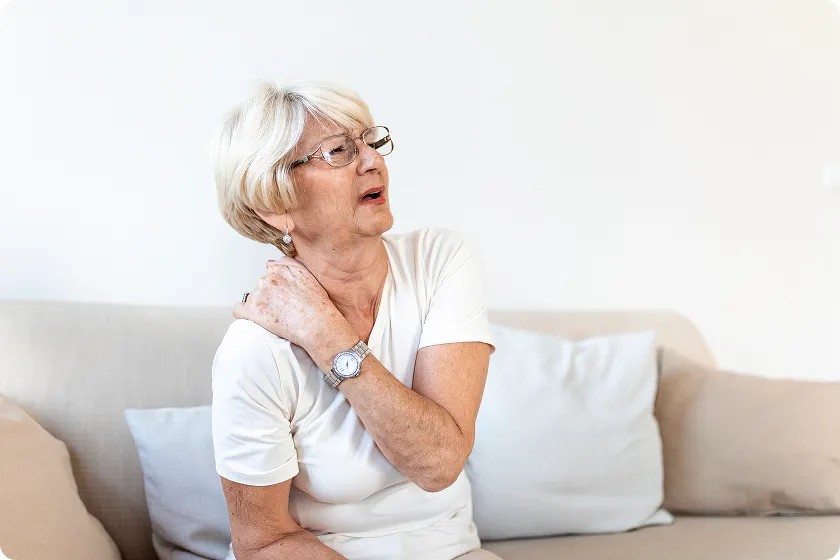
Menopause joint pain affects many women as they transition through perimenopause and menopause. It can range from mild stiffness to severe aching that interferes with daily activities. While aging naturally contributes, hormonal changes, particularly a decline in estrogen, play a central role in causing inflammation, muscle pain, and joint discomfort. Understanding the mechanisms behind menopause joint pain and learning practical strategies to manage it can improve mobility, reduce discomfort, and enhance overall quality of life. In this article, we explore seven proven tips to relieve joint pain during menopause, backed by research and practical experience.
Understanding Menopause Joint Pain
What Does Menopause Joint Pain Feel Like?
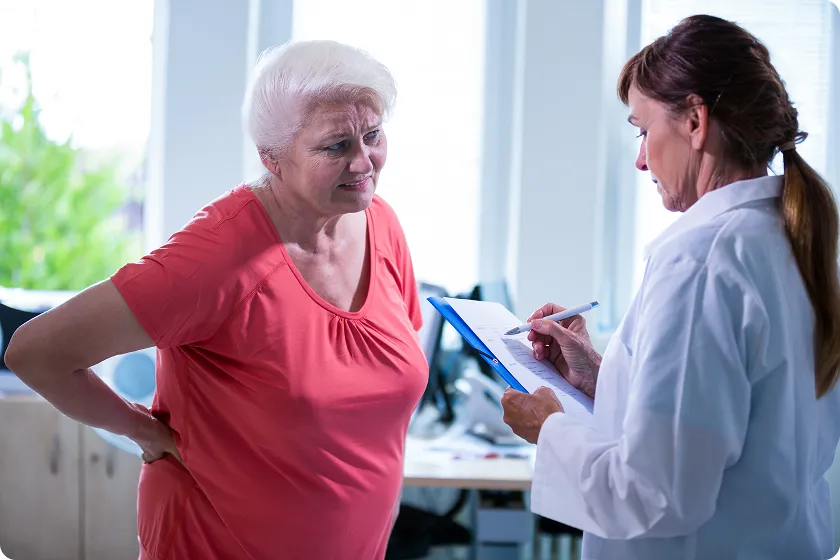
Women often describe menopause-related joint pain as:
- Aching or throbbing in knees, hips, hands, or shoulders
- Stiffness in the morning or after inactivity
- Swelling in joints that appears without injury
- Intermittent or persistent discomfort, sometimes worsening during perimenopause
This pain can extend to menopausal hip pain, menopausal back pain, and menopausal leg cramps, affecting both mobility and sleep quality.
Causes of Menopause Joint Pain
Hormonal fluctuations are the primary trigger:
- Estrogen decline increases joint inflammation
- Reduced cartilage lubrication leads to stiffness
- Muscle weakening contributes to menopause muscle pain
- Other factors include aging, weight gain, a sedentary lifestyle, and preexisting joint conditions.
7 Proven Relief Tips

1. Maintain an Active Lifestyle
Regular movement helps keep joints lubricated and muscles strong. Activities like:
- Walking or cycling
- Swimming or water aerobics
- Low-impact yoga or Pilates
- can reduce inflammation, improve flexibility, and alleviate perimenopause joint pain.
2. Strength Training and Stretching
Strengthening muscles around joints protects cartilage and prevents pain flare-ups. Recommended approaches:
- Lightweight lifting 2–3 times per week
- Resistance band exercises for hips, knees, and shoulders
- Daily stretching, especially post-exercise
Tip: Focus on core and leg muscles to reduce strain on the hips and back.
3. Heat and Cold Therapy
- Heat therapy: Warm baths, heating pads, or hot compresses ease stiffness and relax muscles
- Cold therapy: Ice packs help reduce swelling and acute inflammation
- Alternate depending on pain type and intensity.
4. Anti-Inflammatory Diet
Certain foods combat joint inflammation:
- Omega-3-rich foods: Salmon, chia seeds, walnuts
- Fruits and vegetables: Berries, leafy greens, citrus
- Spices: Turmeric, ginger, cinnamon
- Avoid processed foods, excess sugar, and trans fats to prevent inflammation.
5. Proper Sleep and Stress Management
Chronic stress and poor sleep exacerbate menopause body aches. Strategies include:
- Establishing a consistent sleep routine
- Meditation, deep breathing, or gentle yoga
- Limiting caffeine and screen exposure before bed
6. Over-the-Counter Medications
Non-prescription options can provide temporary relief:
- NSAIDs like ibuprofen or naproxen (with caution)
- Topical anti-inflammatory creams
- Always follow recommended doses and consult a doctor if used long-term.
7. Consult a Healthcare Professional
Persistent pain, swelling, or functional limitations should be evaluated. Specialists may recommend:
- Hormone replacement therapy (HRT) for severe estrogen-related symptoms
- Physical therapy for joint stabilisation
- Blood tests to rule out arthritis or other conditions
Checklist: Daily Practices for Joint Health
| Practice | Frequency | Benefit |
|---|---|---|
| Low-impact exercise | 5 days/week | Maintains joint mobility |
| Stretching | Daily | Improves flexibility, reduces stiffness |
| Omega-3 & anti-inflammatory foods | Daily | Reduce inflammation |
| Adequate hydration | Daily | Supports cartilage health |
| Heat/cold therapy | As needed | Relieves stiffness and swelling |
| Stress reduction | Daily | Lowers systemic inflammation |
FAQ
1. Will joint pain from menopause go away?
It can improve with lifestyle adjustments, exercise, diet, and targeted therapies, but may persist in some women.
2. Can menopause cause joint pain?
Yes, hormonal changes during menopause often lead to joint stiffness and muscle discomfort.
3. What does menopause joint pain feel like?
It typically feels like aching, stiffness, or swelling in multiple joints, sometimes accompanied by muscle soreness.
4. Does menopause cause aching joints?
Declining estrogen contributes to inflammation and cartilage changes, resulting in aching joints.
5. How can I relieve menopause hip pain at home?
Low-impact exercise, stretching, an anti-inflammatory diet, and heat/cold therapy are effective strategies.
Conclusion
Menopause joint pain can be challenging, but it is manageable with proactive measures. Integrating movement, strength training, anti-inflammatory foods, stress management, and targeted therapies can significantly reduce discomfort. Remember, persistent or severe pain warrants consultation with a healthcare professional. Begin incorporating these seven strategies today to regain mobility, ease discomfort, and support your long-term joint health.
Internal Links
- 5 Essential Lupus Life Expectancy Facts to Know
- Arthritis in Fingers: 7 Essential Signs & Relief Tips
- Arthritis in hands: 7 Effective Signs & Relief Tips
External Links
- 7 Ways To Reduce Joint Pain In Menopause
- 7 Proven Strategies to Ease Menopause Symptoms Naturally
- How to Treat Menopause Joint Pain
References
- Neck Pain – Pain Treatment Specialist Singapore | Pain Doc https://paindoctor.sg/pain_conditions/neck-pain/
- What is the Fastest Way to Fix a Stiff Neck? Ultimate Guide https://www.sarivo.co/what-is-the-fastest-way-to-fix-a-stiff-neck/
- True or False: Does Cold Weather Make Your Joints Stiff and Sore? – Central Ohio Spine and Joint https://cospineandjoint.com/cold-weather-joint-pain/
- Why Pain Relief Creams are a Must-Have for Every Wholesaler – KangZhiMei https://www.kangzhimei.net/why-pain-relief-creams-are-a-must-have-for-every-wholesaler/