

Table of contents
Introduction
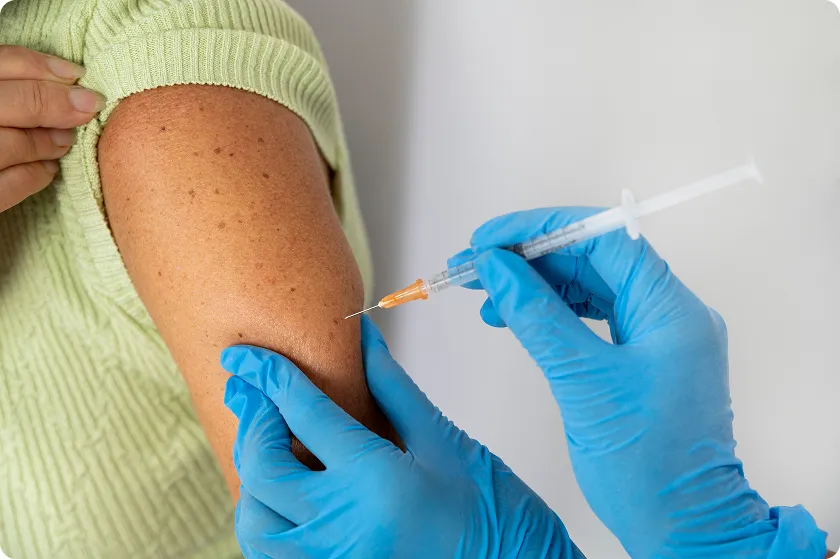
Allergy injection treatment is one of the most effective long-term solutions for people struggling with persistent seasonal allergies and environmental triggers. Instead of just masking symptoms like sneezing, congestion, or itchy eyes, allergy shots gradually train your immune system to become less sensitive to allergens.
For many patients, especially those with moderate to severe symptoms, medications alone are not enough. This is where immunotherapy becomes a game-changer. Whether you’re dealing with pollen in spring, pet dander at home, or dust mites year-round, allergy injections can offer lasting relief.
In this guide, we’ll explore how allergy shots work, the different types of allergy injections, and the 5 essential allergy shots for seasonal allergies that are commonly used in modern treatment plans.
What Is Allergy Injection Treatment?

Allergy injection treatment (also called allergen immunotherapy) is a medical approach that helps your immune system become less reactive to allergens over time. Instead of avoiding allergens completely, small controlled doses are injected into the body, allowing it to gradually build tolerance.
Key points:
- Treats the root cause, not just symptoms
- Reduces long-term dependency on antihistamines
- Can provide relief lasting years after treatment ends
Doctors often recommend this approach for people with:
- Seasonal allergies (pollen, grass, trees)
- Pet allergies
- Dust mite sensitivity
- Mold allergies
How Allergy Shots Work

Understanding how allergy shots work helps you see why they are so effective. Allergy shots introduce tiny amounts of allergens into your body. Over time, your immune system learns that these substances are not dangerous.
Step-by-step process:
- Buildup phase: Small doses are given weekly or bi-weekly
- Maintenance phase: Larger doses are given monthly
- Immune adaptation: The body produces fewer allergic antibodies (IgE)
- Long-term tolerance: Symptoms gradually reduce
Common questions explained:
- Do allergy shots work?
- Yes. Studies show up to 85% of patients experience significant symptom relief.
- How long does it take for allergy shots to work?
- Most people notice improvement within 3–6 months, but full results may take 1–3 years.
Types of Allergy Injections

There are several types of allergy injections, each tailored to the patient’s needs and allergy severity.
Subcutaneous Immunotherapy (SCIT)
This is the traditional allergy shot method, administered by injection under the skin.
- Most widely used form
- Effective for multiple allergens
- Requires clinic visits
Low Dose Immunotherapy
Also known as low-dose immunotherapy, this approach uses extremely small doses of allergen.
- Gentler on sensitive patients
- May reduce side effects
- Often used in early treatment stages
Cluster & Rush Immunotherapy
These accelerated methods deliver doses faster than standard schedules.
- Cluster: Multiple injections per visit
- Rush: Rapid buildup over days
- Suitable for people wanting faster relief
Cat and Dog Allergy Immunotherapy
Specialized treatment for pet allergies:
- Cat allergy immunotherapy reduces sensitivity to cat dander
- Dog allergy shots help reduce reactions to dog allergens
- Ideal for pet owners who cannot avoid exposure
5 Essential Allergy Shots for Seasonal Allergies
Seasonal allergies vary by environment, but these 5 essential allergy shots are commonly used in treatment plans.
1. Pollen (Seasonal Allergy Shot)
- Targets tree, grass, and weed pollen
- Most common trigger during spring and fall
- Helps reduce sneezing, a runny nose, and itchy eyes
2. Cat Allergy Injections
- Designed for cat dander sensitivity
- Especially useful for indoor allergy sufferers
- Often combined with environmental control strategies
3. Dog Allergy Shots
- Reduces immune reaction to dog saliva and skin flakes
- Helpful for households with multiple pets
4. Dust Mite Immunotherapy
- Treats year-round indoor allergies
- Reduces nighttime congestion and asthma-like symptoms
5. Mold Allergy Shots
- Targets mold spores found in damp environments
- Beneficial in humid climates or older homes
Allergy Shots Overview Checklist
| Allergy Type | Common Trigger | Primary Benefit |
|---|---|---|
| Pollen | Trees, grass, weeds | Seasonal symptom relief |
| Cat Allergens | Cat dander | Improved tolerance to indoor exposure |
| Dog Allergens | Pet hair and saliva | Reduced pet-related reactions |
| Dust Mites | Bedding, carpets | Better sleep and reduced congestion |
| Mold Spores | Damp indoor areas | Fewer respiratory flare-ups |
How Long Does It Take for Allergy Shots to Work?
Many patients ask, how long does it take for allergy shots to work?
The timeline varies depending on the individual and the severity of allergies.
Typical timeline:
- First 1–3 months: Mild symptom improvement
- 3–6 months: Noticeable reduction in allergy reactions
- 1 year: Significant improvement in quality of life
- 3–5 years: Long-term immune tolerance developed
Consistency is key. Missing doses can delay progress.
Side Effects and Safety

While generally safe, allergy injections can cause mild side effects.
Common effects:
- Redness or swelling at the injection site
- Mild itching
- Temporary fatigue in some individuals
Do allergy shots make you tired?
Some people report feeling slightly tired after injections, but this is usually short-lived and mild.
Rare but serious reactions:
- Shortness of breath
- Dizziness
- Severe allergic response (very rare under medical supervision)
Doctors always monitor patients after injections to ensure safety.
FAQ
1. Do allergy shots really work long-term?
Yes, Many patients experience reduced symptoms for years after completing treatment.
2. Can children receive allergy injection treatment?
Yes, children over a certain age can safely receive immunotherapy under medical supervision.
3. Are allergy shots better than medicine?
They are not a replacement but a long-term solution that reduces dependence on medication.
4. Can I stop allergy shots early?
Stopping early may reduce effectiveness, so completing the full course is recommended.
5. Do allergy shots work for all allergies?
They are most effective against environmental allergens such as pollen, dust mites, and pet dander.
Conclusion
Allergy injection treatment offers a powerful, long-term solution for people struggling with persistent allergies. Unlike temporary medications, immunotherapy retrains your immune system to respond more calmly to allergens.
From pollen and dust mites to pet-related triggers, the 5 essential allergy shots for seasonal allergies can significantly improve quality of life when used consistently.
Internal Links
- Menopause Joint Pain: 7 Proven Relief Tips
- Neck Pain at Base of Skull: 8 Proven Relief Tips
- What Is a Geriatric Pregnancy? 7 Essential Facts Every Woman Should Know
External Links
- Say Goodbye To Allergies: A Comprehensive Guide To Allergy Shots
- How to Get Allergy Shots for Seasonal Allergies
- The Allergy Shot to Avoid (And What We Recommend Instead)
Reference
- Antidepressants vs Anti-Anxiety Medications | Olympia Plaza Pharmacy. https://olympiaplazarx.com/antidepressants-vs-antianxiety-medications/
- Can Zyrtec Cause Anxiety: What You Need to Know – moodcarehealth. https://moodcarehealth.com/can-zyrtec-cause-anxiety-what-you-need-to-know-2/
- Inhaled Statins Show Promise As Effective Asthma Treatment. https://www.medboundtimes.com/medicine/inhaled-statins-show-promise-as-effective-asthma-treatment
- Allergy Shots or OTC Medications? | Arkansas Allergy & Asthma Clinic. https://arallergy.com/blog/allergies/allergy-shots-vs-otc-medications/