

Table of contents
Introduction
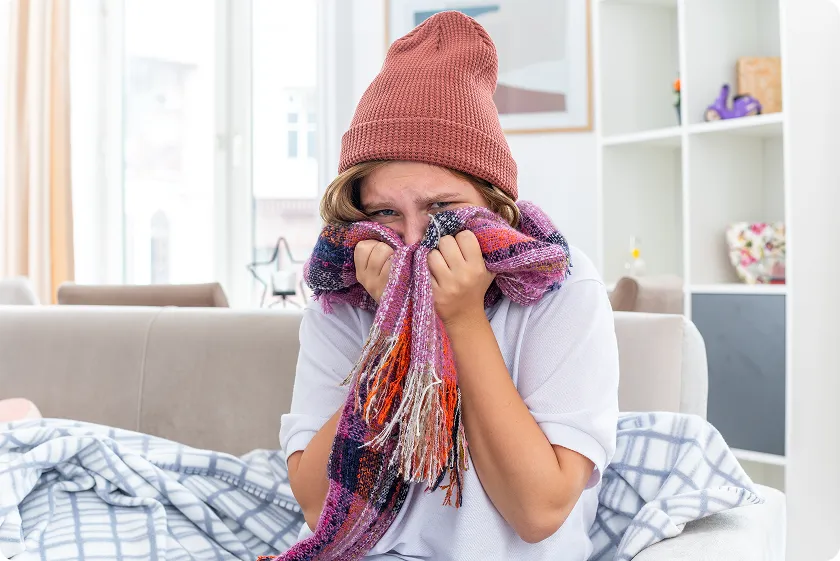
Do your sneezing, stuffy nose, itchy eyes, or cough seem to get worse after sunset? You are not alone. Winter allergies can feel confusing because most people expect allergies in spring, not during cold months. But night and morning allergies often become more noticeable in winter because we spend more time indoors, where we’re exposed to dust mites, mold, pet dander, and dry, heated air.
This guide explains what causes winter allergies, why symptoms can feel worse at night, and how to reduce allergy triggers at home. You will also learn how winter symptoms connect with tree pollen allergy symptoms, seasonal patterns, and simple habits that can help you sleep better.
Why Winter Allergies Matter More Than People Think
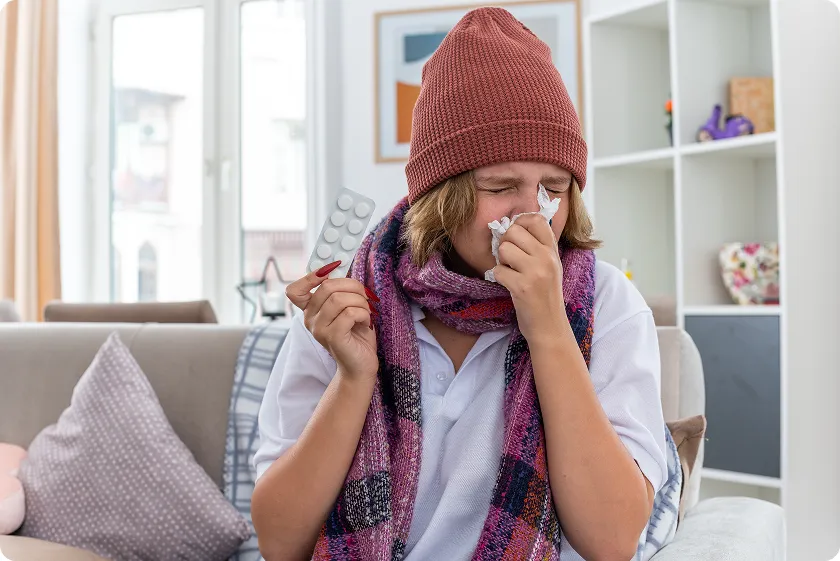
Winter allergies matter because they often look like a cold but can last much longer. A cold usually improves within a week or so, while allergies can continue as long as the trigger remains around you. Many indoor allergens, including dust mites, mold, pet dander, and cockroach allergens, can build up indoors during colder months. The ACAAI notes that winter can seal allergens indoors because windows and doors stay closed and heating systems recirculate indoor air.
1. Winter Allergies Are Often Indoor Allergies
Many people ask, “What causes winter allergies if pollen is low outside? The answer is usually indoor exposure. Dust mites live in bedding, carpets, and upholstered furniture, while mold can grow in damp areas like bathrooms, basements, and around pipes.
These triggers can cause an allergic attack with sneezing, congestion, itchy eyes, coughing, or a scratchy throat. The AAAAI explains that indoor allergens can cause year-round symptoms, also called perennial allergic rhinitis.
Practical tip: Start with the bedroom. Wash bedding weekly, clean dust with a damp cloth, and reduce clutter where allergens collect.
2. Night Allergies Can Be Worse Because of Bedding
A common question is, “Why are my allergies worse at night? One reason is that your pillow, mattress, blanket, and sheets can hold dust mite allergens. Mayo Clinic states that dust mite symptoms are often worse while sleeping or during cleaning, as allergens are more likely to become airborne during these activities.
Night allergies may also worsen when you lie down because nasal drainage can move toward the throat. This can trigger coughing, throat irritation, and poor sleep.
Practical tip: Use allergen-proof mattress and pillow covers. Mayo Clinic recommends washing bedding weekly in hot water at least 130°F (54.4°C) to kill dust mites and remove allergens.
3. Morning Allergies Can Be a Sign of Overnight Exposure
Morning allergies often happen because your body has been exposed to allergens for hours while you sleep. You may wake up with a blocked nose, watery eyes, sneezing, or a dry cough. This is especially common if pets sleep on the bed or if bedding is not cleaned regularly.
This does not always mean you are sick. If symptoms are strongest after waking and improve during the day, your bedroom may be the main trigger.
Practical tip: Keep pets out of the bedroom, vacuum often with a HEPA filter, and change pillowcases more frequently during allergy flare-ups.
| Trigger | Why It Gets Worse at Night | Best First Step |
|---|---|---|
| Dust mites | Dust mites live in bedding and soft furnishings | Wash bedding weekly |
| Pet dander | Pet dander collects on pillows, blankets, and carpets | Keep pets out of the bedroom |
| Mold | Mold grows in damp indoor spaces | Fix leaks and reduce humidity |
| Dry, heated air | Dry, heated air irritates the nose and throat | Keep humidity balanced |
Table 1: Common winter allergy triggers and simple bedroom fixes
Core Causes and Action Steps for Better Relief
The best way to manage winter allergies is to reduce triggers rather than just treating symptoms. This is important because winter allergies can persist for months when indoor conditions remain the same. If you wonder how long allergy season lasts, the answer depends on your trigger. Indoor allergies can last year-round, while outdoor allergy seasons depend on pollen type and local weather.
4. Mold Can Trigger Seasonal Allergies Winter Symptoms
Mold can be a hidden cause of seasonal allergies and winter symptoms. It grows where moisture collects, such as in bathrooms, kitchens, basements, window frames, and leaking pipes. Mold spores can irritate the nose, eyes, throat, and lungs.
In winter, mold may become more noticeable because homes are closed up and ventilation is lower. The AAFA recommends controlling exposure to indoor allergens, improving ventilation, and using air cleaners to enhance indoor air quality.
Practical tip: Keep indoor humidity below 50%. Mayo Clinic also recommends low humidity to reduce dust mites and mold growth.
5. Pets Can Make Night Allergies Stronger
Pet allergies are not only caused by fur. The AAAAI explains that people react to proteins in dander, saliva, or urine, not simply the animal’s hair. This is why even short-haired pets can trigger symptoms.
If your night allergies worsen after cuddling with a pet, your bedding may be collecting dander. Symptoms may include sneezing, itchy eyes, congestion, cough, or even wheezing in people with asthma.
Practical tip: Make the bedroom a pet-free zone. Wash pet bedding often and vacuum carpets, rugs, and sofas regularly.
6. Tree Pollen Allergy Symptoms Can Start Earlier Than Expected
Winter allergies are usually indoor, but outdoor pollen can still be a factor in late winter. Many people ask, “When does allergy season start?” The answer can be earlier than expected. AAFA reports that tree pollen in the U.S. often appears from February to April, and in some regions it may start as early as December or January.
Common symptoms of tree pollen allergy include sneezing, runny nose, congestion, itchy or watery eyes, and postnasal drip. These symptoms can overlap with indoor winter allergies, making the cause harder to spot.
Practical tip: Check local pollen counts if symptoms suddenly worsen on dry, windy days. Shower and change clothes after being outdoors.
| Symptom Pattern | More Likely Cause | What to Watch |
|---|---|---|
| Worse in bed | Dust mites or pet dander | Sneezing, blocked nose, cough |
| Worse after rain or dampness | Mold | Throat irritation, congestion |
| Worse after outdoor time | Tree pollen | Itchy eyes, runny nose |
| Lasts more than 1 week | Allergy possible | No fever, repeated symptoms |
Table 2: How to compare winter allergies with other common triggers
Supportive Habits and Tools That Actually Help

Small daily habits can make winter allergies easier to control. You do not need to deep-clean the entire house in one day. The goal is to reduce exposure in the places where you spend the most time, especially your bedroom. This also helps answer why my allergies are worse at night and what you can do before bed.
7. Itchy Skin Can Be Linked to Allergies
Many people ask, “Can seasonal allergies cause itchy skin? Yes, allergies can sometimes worsen itching, rashes, or eczema-like flare-ups. Mayo Clinic notes that ongoing dust mite allergy can cause dry, itchy skin called eczema in some people.
A skin pollen allergy reaction may also happen when pollen sticks to skin, hair, or clothing. This can be more noticeable if your skin is already dry from winter air.
Practical tip: Shower after outdoor exposure, moisturize daily, and wash scarves, hats, and pillowcases often.
8. A Simple Allergy Routine Can Reduce Night and Morning Symptoms
A good routine can reduce both night allergies and morning allergies. Focus on cleaning, bedding, air quality, and trigger tracking. You may not be able to remove every allergen, but reducing exposure can make symptoms easier to manage.
For winter allergies, prevention often works better than waiting for a full allergy attack. If symptoms are severe, frequent, or include wheezing, trouble breathing, or sleep disruption, speak with a healthcare professional.
Practical tip: Keep a simple symptom diary. Write down when symptoms happen, where you were, and what helped.
Quick Bedroom Checklist for Winter Allergies
Your bedroom should be the first place to improve because you spend many hours there. Even small changes can reduce exposure while sleeping. This is especially useful for people who wake up congested or sneeze every morning.
Try this routine for two weeks and notice whether symptoms improve:
- Wash sheets and pillowcases weekly
- Use allergen-proof pillow and mattress covers
- Keep pets out of the bedroom
- Vacuum carpets and rugs regularly
- Keep humidity below 50%
- Clean visible mold quickly and safely
- Replace or clean HVAC filters as recommended
- Shower before bed after outdoor exposure
FAQ
1. What causes winter allergies?
Indoor allergens such as dust mites, mold, pet dander, and cockroach particles are often the cause of winter allergies. Closed windows, heating systems, and more indoor time can make these triggers stronger.
2. Why are my allergies worse at night?
Night allergies often worsen because dust mites and pet dander collect in bedding. Lying down can also worsen postnasal drip, leading to coughing, throat irritation, and a stuffy nose.
3. Can seasonal allergies cause itchy skin?
Yes, Seasonal allergies and indoor allergens can worsen itchy skin in some people, especially if they already have eczema or dry winter skin. Showering and moisturizing may help.
4. When does allergy season start?
Tree pollen can begin in late winter or early spring. In some warmer regions, it may start as early as December or January, depending on local climate and tree type.
5. How long is allergy season?
Outdoor allergy season can last from late winter through fall, depending on the pollen from trees, grasses, and weeds. Indoor allergies can persist year-round if triggers remain indoors.
Conclusion
Winter allergies can be frustrating, especially when nighttime and morning allergies disrupt your sleep. The most important takeaway is that winter symptoms are often linked to indoor triggers such as dust mites, mold, pet dander, and dry heated air. Outdoor triggers, such as early tree pollen, can also play a role near the end of winter.
By cleaning the bedroom, washing bedding, controlling humidity, reducing pet dander, and tracking symptoms, you can lower your risk of an allergy attack and feel more comfortable.
Internal Links
- Symptoms of Pollen Allergies: 5 Essential Signs
- What Is EoE: 7 Essential Symptoms in Adults
- Pet Dander Allergy: 7 Essential Animal Allergy Symptoms
External Links
- Understanding Winter Allergies and How to Manage Them
- What are Winter Allergies?
- 6 Things to Know About Winter Allergies
Reference
- Sleep Hygiene That Isn’t Boring: The Small Levers That Actually Matter – LifeStyles In Focus. https://lifestylesinfocus.com/sleep-recovery/sleep-hygiene-essentials/
- Memory Foam: Redefining Pressure Relief and Comfort. https://pillows.com.au/blog/understanding-memory-foam-a-buying-guide/
- Allergen, Individual – Tree Pollen Mulberry- Test Price, Normal Range | Sprint Diagnostics Hyderabad. https://www.sprintdiagnostics.in/hyderabad/test/allergen-individual-tree-pollen-mulberry
- Allergies and ENT Care: ENT Specialist in Gandhinagar, Ahmedabad, Udaipur, Bhilwara, Gujarat, Rajasthan, Madhya Pradesh, and India.. https://evarahospital.com/allergies-and-ent-care-ent-specialist-in-ahmedabad/
- Understanding Allstate’s Rideshare Coverage Options. https://quotesautoinsurance.org/understanding-allstate-s-rideshare-coverage-options.html