

Table of contents
Introduction
Do your legs start crawling, tingling, pulling, or aching the moment you finally try to relax? You are not alone. Many people search for restless leg syndrome treatment because nighttime leg discomfort can rob them of sleep, energy, and peace of mind. This guide explains practical RLS relief, safe self-care for restless legs syndrome, and simple home remedies you can try. By the end, you will know what can help restless legs, when to seek medical care, and how to build a calmer night routine.
Why Restless Legs Matter More Than You Think

Restless legs syndrome is not “just a bad habit” or simple fidgeting. It is a real sleep-related movement disorder that often worsens during rest and improves with movement. People often ask how to stop restless legs immediately because symptoms usually appear when they want to sleep, watch TV, travel, or sit quietly. Good restless-leg-treatment can improve sleep, mood, focus, and daily energy.
Sleep Loss Can Affect Your Whole Day
Poor sleep is one of the biggest pain points of restless legs. When symptoms keep waking you up, your body doesn’t get the deep, restorative sleep it needs. This can lead to tiredness, irritability, low focus, and poor school or work performance. For many people, RLS relief starts with protecting sleep quality.
Symptoms Often Improve With Movement
A key sign of restless legs is that walking, stretching, or other leg movement often provides temporary relief. That is why people search for how to stop restless legs immediately at home during the night. The relief may not last forever, but movement can calm symptoms long enough to fall asleep again. This is one reason active self-care matters.
Some Causes Are Fixable
Restless legs may be linked to iron deficiency, pregnancy, kidney disease, certain medicines, poor sleep, caffeine, or a family history. Mayo Clinic notes that iron should be taken only under medical supervision after blood-iron testing. In other words, the best restless-leg-treatment is not always one magic remedy. It is a smart plan based on triggers, habits, and medical causes.
| Trigger or Factor | What May Happen? | Practical Step |
|---|---|---|
| Low iron stores | Worse leg urges and sleep problems | Ask a doctor about ferritin and iron testing |
| Caffeine late in the day | More nighttime restlessness | Stop caffeine after lunch |
| Long sitting | Symptoms during travel or TV time | Take short walking breaks |
| Poor sleep routine | More sensitive nervous system | Keep a regular sleep schedule |
| Hard exercise at night | Legs may feel overstimulated | Exercise earlier in the day |
Table 1. Common restless legs triggers and practical fixes
11 Effective Restless-Leg-Treatment Tips for Fast and Long-Term Relief

The best plan combines quick actions with long-term habits. These tips answer common searches like how to stop restless leg syndrome, how to get rid of RLS, and what can help restless legs. Not every tip works for everyone, so track your symptoms for 1 to 2 weeks. Use these restless legs treatment options as a practical starting point.
1. Walk for 5–10 Minutes
Walking is one of the fastest ways to calm symptoms. It helps because restless legs often improve with movement. If you wake up at night, avoid turning the moment into a stressful battle. Stand up, walk slowly, breathe deeply, and return to bed when the urge fades.
2. Stretch Your Calves and Hamstrings
Gentle stretching can reduce leg tension before sleep. Try calf stretches against a wall, hamstring stretches on the bed, and ankle circles. Hold each stretch for 20–30 seconds without bouncing. This simple home remedy for restless legs is safe for most people.
3. Use Heat or Cold Therapy
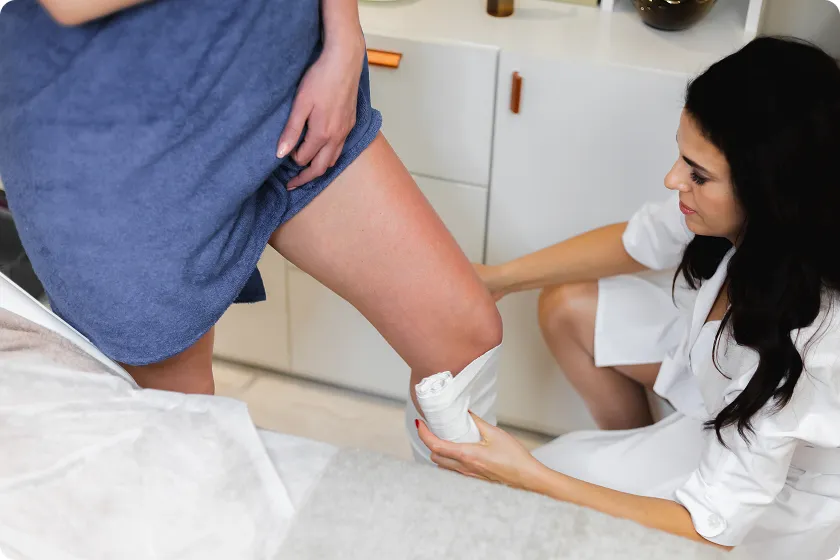
Some people feel better with a warm bath, heating pad, or warm towel. Others prefer a cold pack for 10–15 minutes. The goal is to change the nerve sensation and relax the legs. This can be useful when you need to know how to stop restless legs immediately at home.
4. Massage Your Legs Before Bed
Massage may help relax tight muscles and calm the nervous system. Use slow strokes from the ankles toward the knees. You can use lotion or oil, but avoid strong scents if they disturb sleep. This is one of the easiest remedies for restless legs to add to a bedtime routine.
5. Check Your Iron Levels
Iron plays an important role in brain dopamine pathways, which are linked with restless legs. Low iron stores can worsen symptoms, even if you are not severely anemic. Ask your doctor about ferritin and transferrin saturation tests. Do not start iron tablets without guidance because too much iron can be harmful.
6. Be Careful With Magnesium
Many people search for magnesium deficiency restless legs because magnesium is linked with muscle and nerve function. Some small studies suggest a possible benefit, but the evidence is still mixed. Magnesium may help if you are low, but it is not a guaranteed cure. Ask a clinician before using supplements for RLS, especially for children, pregnancy, kidney disease, or other medicines.
7. Limit Caffeine, Nicotine, and Alcohol
Caffeine, nicotine, and alcohol can worsen sleep and may trigger restless legs in some people. Try a two-week test: avoid coffee, energy drinks, nicotine, and alcohol near bedtime. If symptoms improve, you have found a useful trigger. This is simple restless legs syndrome self-care with a big potential payoff.
8. Build a Consistent Sleep Routine
A calm sleep routine trains your brain to expect rest. Go to bed and wake up at similar times, keep the room cool, and reduce screens before bed. Restless legs can feel worse when you are overtired. Better sleep hygiene supports every restless leg syndrome treatment plan.
| Time | Step | Why It Helps |
|---|---|---|
| 0–5 minutes | Warm bath or warm towel | Relaxes legs and body |
| 5–10 minutes | Gentle stretching | Reduces tightness |
| 10–15 minutes | Light massage | Calms leg sensations |
| 15–20 minutes | Deep breathing, no screen | Prepares the brain for sleep |
Table 2: 20-minute bedtime routine for RLS relief
9. Move Earlier in the Day
Regular Exercise can support better sleep and circulation. Choose walking, cycling, swimming, or light strength training. Avoid intense workouts right before bed because they may overstimulate your legs. The best exercise plan for RLS relief is steady, moderate, and realistic.
10. Review Your Medicines With a Doctor
Some medicines may worsen restless legs, including certain antihistamines, antidepressants, or nausea medicines. Do not stop prescribed medicine on your own. Instead, ask your doctor or pharmacist if your medicine could be contributing. This step can be important for people wondering how to stop restless leg syndrome in the long term.
11. Seek Medical Treatment When Symptoms Are Frequent
If symptoms happen several nights a week, disturb sleep, or affect daily life, medical care is worth it. Treatment may include iron replacement when needed, gabapentin-type medicines, or other prescription options. Newer expert guidance is more careful with dopamine medicines because long-term use may worsen symptoms in some people. A clinician can help choose the safest restless legs treatment options for your situation.
Supportive Habits and Tools That Make Relief Easier

Small tools can make restless-leg-treatment easier to follow. The goal is not to try everything at once. Instead, build a simple routine and track what helps. Over time, this turns random home remedies for restless legs into a personal relief plan.
Keep a Symptom Diary
Write down bedtime, caffeine, Exercise, stress, medicines, and symptom severity. After one week, patterns often become clearer. You may notice that late coffee, poor sleep, or long sitting makes symptoms worse. A diary helps your doctor, too.
Prepare a Night Relief Kit
Keep simple items near your bed. This may include a heating pad, a cold pack, massage lotion, water, and a notebook. When symptoms hit, you can act quickly instead of getting frustrated. This is useful for anyone looking for ways to relieve RLS at night.
Know When It Is Not Normal
Talk to a healthcare professional if symptoms are severe, new, one-sided, painful, or linked with swelling, weakness, numbness, or pregnancy. Also, seek help if you are regularly losing sleep. Restless legs are manageable, but persistent symptoms deserve proper care. The right restless-leg treatment can protect both sleep and quality of life.
FAQ
1. How to stop restless legs immediately?
Walk for 5–10 minutes, stretch your calves, massage your legs, or try heat or cold therapy. These steps often provide fast, temporary relief from RLS.
2. How to stop restless legs immediately at home?
Use a warm bath, gentle stretching, slow walking, leg massage, and deep breathing. Avoid screens and caffeine because they may make it harder to sleep.
3. What can help restless legs naturally?
Regular sleep, moderate Exercise, trigger tracking, massage, stretching, and checking iron levels can help. These are common natural treatments for restless leg syndrome.
4. Are supplements for RLS safe?
Some people may need iron, magnesium, or other nutrients, but supplements are not risk-free. Always check with a healthcare professional, especially before taking iron.
5. How to get rid of RLS permanently?
Some cases improve when triggers or deficiencies are treated. Others need long-term management. A doctor can test for causes and recommend safe treatment options.
Conclusion
The best restless-leg-treatment combines quick relief, smart habits, and medical support when needed. Start with movement, stretching, massage, heat or cold therapy, better sleep, and trigger control. For deeper RLS relief, check iron levels, review medicines, and ask about safe RLS treatment options if symptoms are frequent. These steps can help you sleep better, feel calmer, and understand what can help restless legs in real life.
Internal Links
- Menopause Joint Pain: 7 Proven Relief Tips
- Neck Pain at Base of Skull: 8 Proven Relief Tips
- What Is a Geriatric Pregnancy? 7 Essential Facts Every Woman Should Know