


Introduction
Starting your day with high fiber breakfast foods can profoundly impact your overall health, from digestive function to heart wellness and weight management. Many people rely on low-fiber, processed options like sugary cereals or white bread, which can leave them hungry within a few hours. By choosing high fiber meals, you not only feel fuller for longer but also support long-term health outcomes.
This comprehensive guide explores 10 essential high fiber breakfast foods, practical meal ideas, and actionable tips to seamlessly incorporate fiber into your mornings. You’ll also find a high fiber foods chart for easy reference, and answers to common questions like what foods are high in fiber and protein. By the end of this article, you’ll have clear strategies for starting each day with a fiber-rich, nutrient-dense breakfast.
Why High Fiber Breakfast Foods Matter
A fiber-rich breakfast is more than a healthy choice—it’s an investment in your long-term wellbeing. Fiber plays a critical role in digestion, heart health, blood sugar regulation, and weight management. Understanding these benefits can motivate consistent healthy breakfast choices.
Fiber and Digestive Health
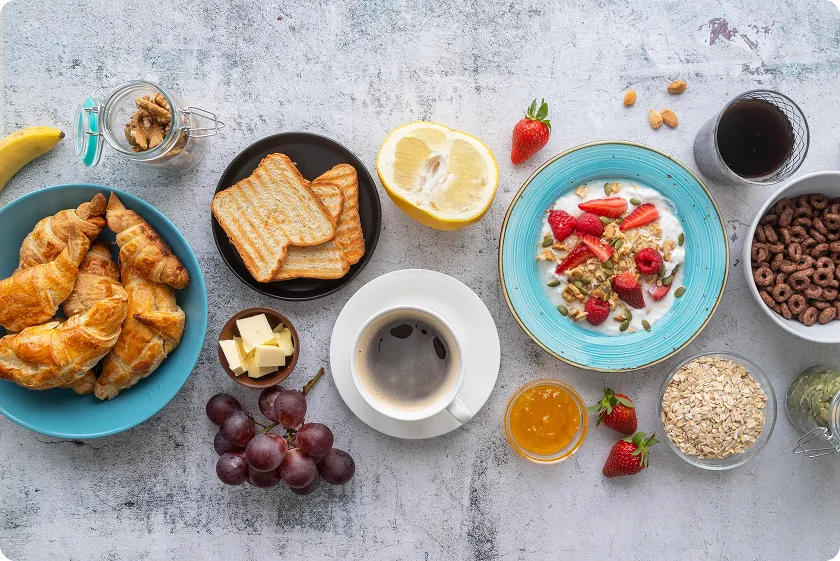
Fiber supports smooth digestion and promotes regular bowel movements. Soluble fiber absorbs water, forming a gel that slows digestion, while insoluble fiber adds bulk, aiding in waste elimination. Incorporating fiber-rich breakfast foods like oats, chia seeds, or berries ensures that your digestive system functions efficiently from the start of the day.
Fiber for Heart Health
Numerous studies show that fiber helps reduce cholesterol levels and blood pressure, lowering the risk of heart disease. High fiber foods like whole grains, fruits, and vegetables strengthen heart health while improving blood sugar control.
Fiber and Weight Management
Fiber slows digestion and increases satiety, helping to curb overeating and snacking between meals. Choosing high fiber breakfast foods ensures you feel satisfied longer, supporting healthy weight management and balanced energy throughout the morning.
Top 10 High Fiber Breakfast Foods
Including fiber in your morning routine doesn’t have to be complicated. Here are 10 essential high fiber breakfast foods that are versatile, delicious, and packed with nutrients.
1. Oats and Oatmeal
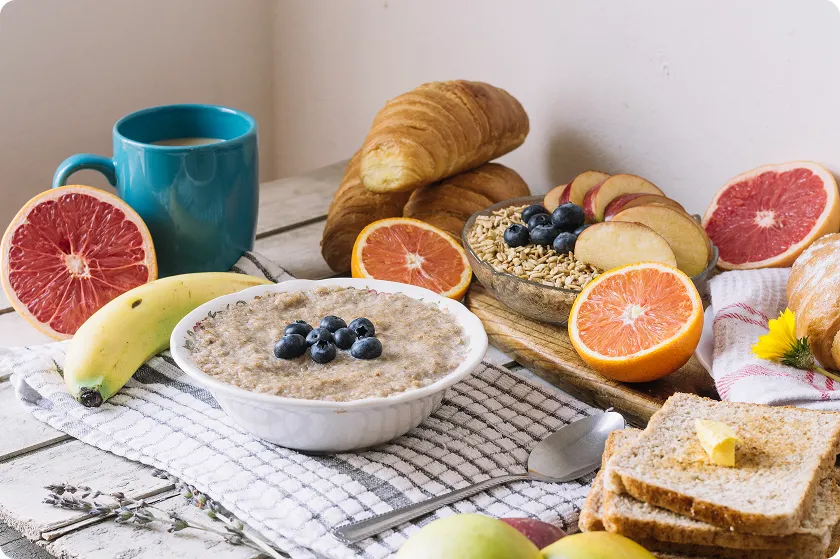
Oats are one of the most versatile and widely recommended high fiber breakfast foods. They are rich in soluble fiber, particularly beta-glucan, which forms a gel in the digestive tract. This slows digestion, stabilizes blood sugar, and reduces LDL cholesterol, supporting heart health.
Health Benefits:
- Regulates blood sugar and prevents spikes after breakfast
- Promotes satiety, helping with weight management
How to Include Oats in Breakfast:
- Overnight oats: Mix oats with milk or plant-based milk, add chia seeds, berries, and a drizzle of honey. Refrigerate overnight.
- Cooked oatmeal: Boil oats in water or milk, then top with nuts, fruits, or seeds.
- Savory oats: Combine oats with spinach, mushrooms, tomatoes, and a poached egg for a fiber-rich savory meal.
Benefits:
- Rich in soluble fiber (beta-glucan) that helps reduce LDL cholesterol.
- Promotes satiety, keeping you full for hours.
- Supports gut health by feeding beneficial gut bacteria.
- Stabilizes blood sugar, making it ideal for people with diabetes.
Drawbacks:
- Instant flavored oats may contain added sugars, reducing health benefits.
- Overcooking or using excessive milk can increase calorie content.
- Some people with gluten sensitivity may react to cross-contaminated oats.
Tip: Choose plain oats, add fruits, nuts, or seeds for flavor, and avoid sugary instant packets.
2. Chia Seeds
Chia seeds are tiny but incredibly potent. They are packed with soluble fiber, which absorbs water and swells to form a gel-like texture in the gut.
Health Benefits:
- Supports heart health due to omega-3 fatty acids
- Helps with satiety and weight management
- Promotes healthy digestion
Ways to Include Chia Seeds:
- Chia pudding: Mix chia seeds with almond milk or yogurt, and add fruits, nuts, or cocoa powder.
- Smoothies: Blend chia seeds into fruit smoothies for a fiber boost.
- Topping: Sprinkle on oatmeal, cereal, or even toast.
Benefits:
- Extremely high in fiber (~10g per 2 tbsp).
- Supports heart health due to omega-3 fatty acids.
- Promotes satiety and supports weight management.
- Contains protein, antioxidants, and minerals like calcium and magnesium.
Drawbacks:
- Overconsumption may lead to bloating or gas.
- Very high in calories if eaten in large amounts.
- Tip: Soak chia seeds in liquid before eating and stick to 1–2 tablespoons per meal
3. Berries
Berries, including raspberries, blackberries, and strawberries, are naturally high in fiber and antioxidants. They are also low in calories and rich in vitamins such as C and K.
Fiber Content:
- Raspberries: 1 cup = 8g fiber
- Strawberries: 1 cup = 3g fiber
- Blackberries: 1 cup = 7g fiber
Health Benefits:
- Antioxidant-rich, protecting against inflammation and oxidative stress
- Supports digestive health
- Enhances heart health and may reduce blood sugar spikes
Ways to Enjoy Berries for Breakfast:
- Add to oatmeal, yogurt, or smoothies
- Make a berry parfait layered with yogurt and nuts
- Sprinkle frozen berries over whole-grain cereal
Benefits:
- Rich in fiber, antioxidants, and vitamins.
- Low in calories but nutrient-dense, supporting weight management.
- Anti-inflammatory properties can help protect the heart.
- Improves gut health through fiber.
Drawbacks:
- Berries can be expensive or seasonal in some regions.
- Sweetened frozen berries may contain added sugar.
- Overconsumption can cause mild gas or bloating for some people.
Tip: Choose fresh or unsweetened frozen berries and combine with other fiber sources.
4. Whole Grain Bread
Whole-grain bread is a simple way to increase fiber intake, particularly insoluble fiber, which helps move food through your digestive tract. Unlike white bread, it provides sustained energy and helps prevent blood sugar spikes.
Health Benefits:
- Supports digestive regularity
- Maintains stable energy levels
- Reduces the risk of heart disease when chosen as a whole grain
Ways to Include:
- Avocado toast: Spread mashed avocado and top with seeds or a poached egg
- Nut butter toast: Spread almond or peanut butter, add banana slices
- Vegetable sandwiches: Use whole-grain bread with hummus, spinach, and tomato
Benefits:
- Contains both soluble and insoluble fiber.
- Supports digestive regularity and prevents constipation.
- Provides sustained energy without causing blood sugar spikes.
- It can be a base for nutrient-rich toppings like avocado or nut butter.
Drawbacks:
- Some commercial breads contain added sugar or preservatives.
- Overeating bread can contribute to excess calories.
Tip: Look for breads labeled 100% whole grain with ≥3g fiber per slice.
5. Avocado
Avocado is not only creamy and delicious but also fiber-rich, containing both soluble and insoluble fiber. It is also packed with heart-healthy monounsaturated fats and potassium.
Health Benefits:
- Supports digestion and satiety
- Promotes heart health and reduces cholesterol
- Provides antioxidants and anti-inflammatory compounds
How to Include Avocado in Breakfast:
- Avocado toast: Top with sesame seeds, chili flakes, or a poached egg
- Smoothies: Blend with fruits and greens for creamy, fiber-rich smoothies
- Breakfast bowls: Combine with quinoa, beans, tomatoes, and spinach
Benefits:
- High in fiber and healthy monounsaturated fats.
- Supports heart health and cholesterol balance.
- Provides potassium, vitamins, and antioxidants.
- Promotes satiety and helps stabilize blood sugar.
Drawbacks:
- Some people may find avocados hard to digest in large amounts.
- Allergies to avocado, though rare, can occur.
Tip: Use ½ to 1 avocado per meal, paired with high-protein foods for a balanced breakfast.
6. Nuts and Seeds
Nuts (almonds, walnuts) and seeds (flax, pumpkin, sunflower) are excellent sources of fiber, protein, and healthy fats. They make breakfasts filling and nutrient-dense.
Fiber Content:
- Almonds: 1 oz = 3g fiber
- Flaxseeds: 2 tbsp = 5g fiber
Health Benefits:
- Promotes satiety and prevents mid-morning cravings
- Supports heart and brain health
- Aids digestion and gut health
Ways to Include:
- Sprinkle on oatmeal or yogurt
- Add to homemade granola or breakfast bars
- Mix into smoothies or overnight oats
Benefits:
- Good source of fiber, protein, and healthy fats.
- Supports heart and brain health.
- Promotes satiety and sustained energy.
- Contains vitamins, minerals, and antioxidants.
Drawbacks:
- High in calories, so portion control is important.
- Some nuts are salted or roasted with oil, adding extra sodium and fat.
- May trigger allergies in sensitive individuals.
Tip: Stick to 1–2 handfuls per breakfast and choose unsalted, raw or lightly roasted nuts.
7. Apples
Apples are a convenient high-fiber fruit, especially with the peel on. They are rich in soluble fiber (pectin), which helps slow digestion and supports gut health.
Health Benefits:
- Improves digestive health and regulates bowel movements
- Provides antioxidants and vitamin C
- Helps control blood sugar when paired with protein or fats
Ways to Include in Breakfast:
- Slice into oatmeal or yogurt bowls
- Bake with cinnamon and nuts for a warm dish
- Blend into smoothies with leafy greens or chia seeds
Benefits:
- Very high in soluble and insoluble fiber.
- Promotes digestive regularity and satiety.
- High water content helps hydration.
- Supports heart health and weight management.
Drawbacks:
- It can be overly sweet, which may affect blood sugar levels in people with diabetes.
- Some individuals may have mild bloating if they eat in large amounts.
Tip: Eat pears with the skin on and combine with protein or healthy fats
8. Pears
With both soluble and insoluble fiber, pears are among the fruits with the highest fiber content. Additionally, their high water content promotes satiety and hydration.
Health Benefits:
- Supports regular bowel movements
- Reduces risk of heart disease
- Maintains satiety and energy levels
Ways to Include in Breakfast:
- Slice over oatmeal or yogurt
- Bake with cinnamon and almonds for a sweet, fiber-rich dish
- Blend into smoothies with spinach, chia seeds, and protein powder
Pro Tip: Eat pears with the skin for maximum fiber.
9. Greek Yogurt with Fiber Additions
Plain Greek yogurt is high in protein but low in fiber. Adding fruits, nuts, or seeds transforms it into a fiber-rich breakfast.
Health Benefits:
- High protein content supports satiety and muscle health.
- Probiotics support gut health
- Paired with fiber sources, it stabilizes blood sugar
Ways to Include:
- Top yogurt with berries, chia seeds, and flaxseeds
- Mix in high-fiber granola for crunch
- Blend into smoothies with spinach, avocado, or fruits
Benefits:
- High in protein; combined with fiber, it promotes fullness.
- Supports gut health via probiotics.
- Fiber-rich additions such as chia seeds, berries, or flaxseed increase satiety and digestive benefits.
- It can be adapted for both sweet and savory dishes.
Drawbacks:
- Flavored yogurts often have added sugar, reducing health benefits.
- Excessive consumption of fiber additions may cause bloating or gas.
- Dairy may not be suitable for lactose-intolerant individuals.
Tip: Choose plain Greek yogurt and add fresh fruits or seeds for a balanced fiber-protein breakfast.
10. Vegetables in Breakfast Bowls
Including vegetables like spinach, kale, broccoli, or bell peppers in breakfast increases fiber, vitamins, and antioxidants. They can be incorporated into savory dishes or even smoothies.
Health Benefits:
- Improves digestive health
- Provides antioxidants and essential vitamins
- Supports heart and metabolic health
Ways to Include:
- Savory breakfast bowls: Combine quinoa, avocado, eggs, and vegetables
- Scrambled eggs with veggies: Mix spinach, tomatoes, and bell peppers
- Green smoothies: Blend spinach or kale with fruits and chia seeds
Benefits:
- Excellent source of insoluble fiber and micronutrients.
- Supports digestive, heart, and metabolic health.
- Low in calories, high in volume: promotes satiety.
- Provides antioxidants, vitamins, and minerals.
Drawbacks:
- Vegetables like broccoli or kale may cause gas or bloating in some people.
- Requires prep or cooking, which may not suit busy mornings.
- Some may find flavor challenging without seasoning or pairing.
Tip: Steam, sauté, or roast vegetables in advance for convenience, and pair with eggs, grains, or healthy fats.
Summary of Fiber in These 10 Foods
| Food | Fiber (g) per serving |
| Oats | 4 |
| Chia Seeds | 10 |
| Berries | 3–8 |
| Whole Grain Bread | 3–4 |
| Avocado | 10 |
| Nuts | 3–5 |
| Apples | 4 |
| Pears | 5–6 |
| Greek Yogurt + Additions | 7–8 |
| Vegetables | 3–5 |
High Fiber Foods Chart
| Food | Serving Size | Fiber Content (g) | Notes |
| Oats | 1 cup cooked | 4 | Soluble fiber for digestion |
| Chia Seeds | 2 tbsp | 10 | High in omega-3 and protein |
| Raspberries | 1 cup | 8 | Antioxidant-rich |
| Whole Grain Bread | 1 slice | 3–4 | Look for high fiber brands |
| Avocado | 1 medium | 10 | Heart-healthy fats included |
| Almonds | 1 oz | 3 | Great as a topping |
| Apple | 1 medium | 4 | Fiber concentrated in peel |
| Pear | 1 medium | 5–6 | Hydrating and filling |
| Flaxseeds | 2 tbsp | 5 | Supports digestion |
| Spinach | 1 cup cooked | 4 | Nutrient-dense and versatile |
Table 1: Examples of high fiber breakfast foods with serving sizes and fiber content.
Tips for Boosting Fiber in Your Morning Meal
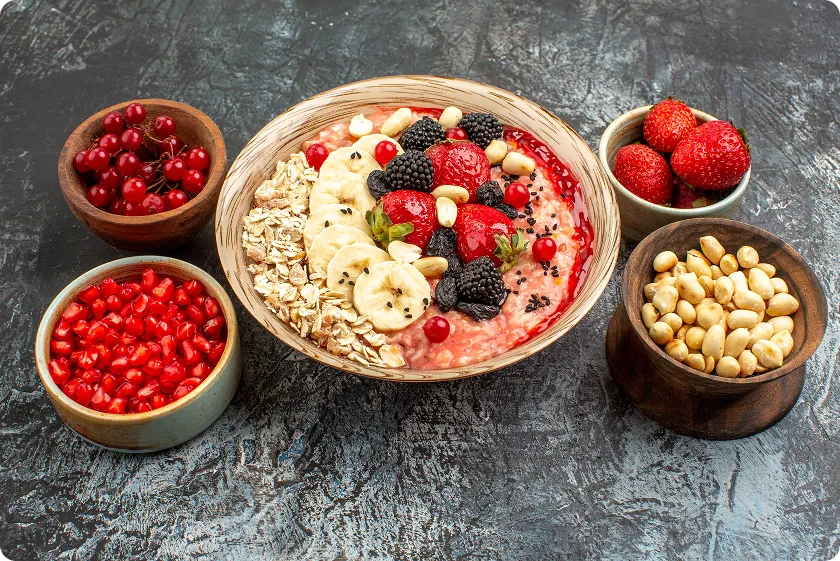
- Combine fruits, vegetables, and whole grains in breakfast bowls.
- Add seeds and nuts for crunch, fiber, and healthy fats.
- Include legumes like beans or lentils in savory breakfasts.
- Swap refined grains for whole grains wherever possible.
- Plan overnight oats or chia puddings for a fiber-packed start.
FAQs
1. What food has high fiber for breakfast?
Foods such as chia seeds, nuts, whole grain bread, avocado, and oats are high in fiber and make a great breakfast. Putting together fruits, vegetables, and seeds is a great way to start your day because it provides a lot of fiber.
2. What fruits are high in fiber?
Raspberries, pears, apples, blackberries, and strawberries are naturally high in fiber. Eating them with the peel maximizes fiber content.
3. What foods are high in fiber and protein?
Chia seeds, Greek yogurt with fruit, nuts, and seeds are all high in fiber and protein, which help you stay full and provide energy.
4. How much fiber is in an apple?
A medium apple contains approximately 4 grams of fiber, mostly in the peel, making it a convenient fiber-rich snack or breakfast addition.
5. Does popcorn have fiber?
Yes, air-popped popcorn contains around 1 gram of fiber per cup. While not a typical breakfast food, it can be part of a high-fiber snack.
6. What is a good source of fiber for quick meals?
Overnight oats, smoothies with chia seeds and berries, and whole-grain toast with avocado are quick, fiber-rich meal options.
Conclusion
Incorporating high fiber breakfast foods into your daily routine is a simple yet powerful strategy for better health. From oats and chia seeds to fruits, vegetables, and whole grains, there are countless ways to boost fiber intake while enjoying delicious meals. Fiber supports digestion, heart health, blood sugar regulation, and satiety, making it a cornerstone of a balanced diet.
By choosing high fiber meals and following practical tips, you can make your mornings more energizing and nourishing. Start today with one or two fiber-rich foods, and gradually build a sustainable habit. For long-term health, consider pairing these foods with adequate hydration, regular physical activity, and balanced nutrition.
For more ideas on fiber-rich meals, check out our high-fiber foods chart and explore recipes to make every breakfast a healthy, satisfying start to your day.
Internal Links:
- 6 Effective Foods to Eat to Lose Belly Fat
- What Is My Maintenance Calories: 7 Essential Tips to Calculate Yours
- Chia Benefits: 7 Essential Reasons to Add Them Daily