
✍️ Written By: Healthy Eats Guide Team — Health & Nutrition Specialist
🩺 Medically Reviewed By: Doctor Imran Hameed
📅 Updated: August 2026 | ✅ Fact-Checked & Evidence-Based
Table of Contents
Introduction
Does your skin feel drier, thinner, or more sensitive than it did a few years ago? These changes are common, but they can make choosing the right mature skin care products confusing. A suitable routine should address skin hydration and aging, protect the skin barrier, and reduce avoidable environmental damage without irritation.
This guide explains how skin changes with age and provides seven practical, dermatologist-backed tips. You will learn which ingredients may help, why sunscreen matters, and how to build an effective routine without filling your bathroom with unnecessary products.
Why Mature Skin Care Matters
Skin does not suddenly become “mature” at one particular birthday. Instead, oil production, moisture retention, collagen levels, and healing ability gradually change over time. Understanding these changes helps you choose products based on what your skin needs rather than what advertisements promise.
The Skin Barrier Becomes More Vulnerable
The outer layer of your skin acts like a protective wall. It keeps water inside while helping block irritants, allergens, and harmful microorganisms.
With age, changes in the skin’s natural lipids, including ceramides, may reduce its ability to hold moisture. Research has linked age-related changes in stratum corneum lipids with dryness and weaker barrier integrity.
This skin barrier weakening with age may cause:
- Tightness after washing
- Flaking or rough patches
- Greater sensitivity to products
- Itching and irritation
- Slower recovery after damage
Collagen Breakdown Becomes More Noticeable
Collagen provides firmness and structural support. Natural aging reduces collagen production, while ultraviolet radiation can accelerate collagen breakdown and other signs of photoaging.
The result may include fine lines and wrinkles, sagging, uneven tone, and thinner-looking skin. Sunscreen cannot reverse all existing changes, but regular protection helps prevent additional sun-related damage. The American Academy of Dermatology identifies sunscreen and moisturizer as two of the most effective basic anti-aging products.
Menopause Can Intensify Skin Changes
Hormonal changes during menopause can make skin drier, thinner, and less able to retain water. The American Academy of Dermatology also reports that collagen loss may accelerate during the early years of menopause.
These menopause skin changes do not affect everyone in the same way. Some people experience dryness and sensitivity, while others notice acne, unwanted facial hair, pigmentation, or increased bruising.
Common mature-skin changes and practical responses
| Skin change | Possible reason | Helpful response |
|---|---|---|
| Dryness and tightness | Reduced oil and moisture retention | Use a creamy cleanser and a richer moisturizer. |
| Fine lines | Collagen loss and dehydration | Moisturize and use daily sunscreen |
| Increased sensitivity | Weaker skin barrier | Choose fragrance-free products |
| Dark spots | Past and continuing UV exposure | Use broad-spectrum sunscreen |
| Rough texture | Slower surface-cell renewal | Introduce gentle active ingredients slowly |
| Easy bruising | Thinner skin | Avoid harsh scrubbing and protect skin from injury |
7 Expert Dermatologist Tips for Mature Skin Care
A successful routine does not need to be complicated. It should protect the barrier, maintain hydration, prevent avoidable UV damage, and address one concern at a time. The following seven steps explain how to care for mature skin in practical, affordable ways.
1. Cleanse Gently Instead of Scrubbing
Cleansing removes makeup, sunscreen, oil, and environmental residue. However, strong soap, rough washcloths, and frequent exfoliation can remove protective oils and worsen dryness.
Choose a mild, creamy, fragrance-free cleanser. Use lukewarm water and clean your face with your fingertips rather than a scrub or cleansing brush. Dermatologists recommend short showers with warm—not hot—water because hot water can strip natural oils.
Pat your skin dry without rubbing. Leaving it slightly damp also prepares it for moisturizer.
2. Apply Moisturizer While Skin Is Damp
A good moisturizer for mature skin combines ingredients that attract water, soften rough skin, and reduce moisture loss. This is especially important when answering the common question, “What causes mature skin to become dry?”
Look for ingredients such as:
- Glycerin or hyaluronic acid to attract water
- Ceramides to support the skin barrier
- Petrolatum, dimethicone, or shea butter to reduce water loss
- Squalane or similar emollients to soften rough areas
The AAD advises applying a creamy moisturizer within three minutes of bathing. This helps trap water and support the protective barrier.
Lotions may be suitable during humid weather, but creams and ointments usually provide better support for very dry skin.
3. Wear Broad-Spectrum Sunscreen Every Day
Daily sun protection for aging skin is one of the most effective steps to prevent further photoaging. UV exposure can contribute to wrinkles, discoloration, thinning of the skin, and an increased risk of skin cancer.
Choose a broad-spectrum, water-resistant sunscreen with SPF 30 or higher. Apply it to the face, ears, neck, chest, hands, and any other exposed skin. The AAD recommends reapplying approximately every two hours when outdoors, as well as after swimming or heavy sweating.
Why is sunscreen important for aging skin? It helps prevent new UV damage even when wrinkles or age spots are already present. Combine it with shade, sunglasses, a wide-brimmed hat, and protective clothing.
4. Introduce Retinol or Retinoids Slowly
Retinoids are vitamin A derivatives used to improve uneven tone, texture, and mild fine lines. A systematic review found topical tretinoin effective for several visible signs of photoaging, including wrinkling and mottled pigmentation.
Mature skin may be more vulnerable to dryness, so start carefully:
- Begin with a low-strength retinol.
- Apply it once or twice weekly at night.
- Use only a pea-sized amount for the face.
- Follow with moisturizer.
- Increase frequency only if your skin remains comfortable.
Stop using it if you develop persistent burning, swelling, cracking, or severe redness. Retinoids are not suitable for everyone and should not be used during pregnancy; a dermatologist can help determine whether one is appropriate.
5. Choose One Targeted Ingredient
People often ask, What ingredients help mature skin? The answer depends on the concern you want to address.
Vitamin C may help support antioxidant protection and improve the appearance of uneven tone. Niacinamide can be a gentler option for supporting the barrier and reducing the appearance of discoloration. Peptides may be included in moisturizing products intended to improve the appearance of firmness.
Do not begin several active ingredients at the same time. The AAD warns that using multiple anti-aging products within a short period can irritate the skin.
Add one product, use it consistently, and allow several weeks before judging the result.
6. Support Skin Hydration Through Daily Habits
Topical products are important, but everyday habits also affect how the skin feels. Drinking enough fluid supports general health, although water alone cannot replace moisturizer or repair a damaged barrier.
Helpful habits include:
- Eating a balanced diet containing vegetables, fruit, protein, and healthy fats
- Avoiding smoking
- Limiting excessive alcohol
- Using a humidifier when indoor air is very dry
- Wearing gloves while cleaning or gardening
- Sleeping consistently and managing stress
The National Institute on Aging recommends moisturizing daily, staying hydrated, eating a healthy diet, avoiding smoking, managing stress, and protecting skin outdoors.
7. Check Your Skin and Consult a Dermatologist
Not every dark spot is simply an age spot. A new, changing, itching, bleeding, or unusually shaped mark should be evaluated rather than covered with a cosmetic treatment.
Perform regular head-to-toe skin checks. Pay attention to spots that change in size, shape, or color or look different from your other marks. Skin cancer is often more treatable when identified early.
See a dermatologist when dryness does not improve, products repeatedly burn, or you develop persistent itching, sores, rashes, or rapid skin changes.
Building an Anti-Aging Skincare Routine
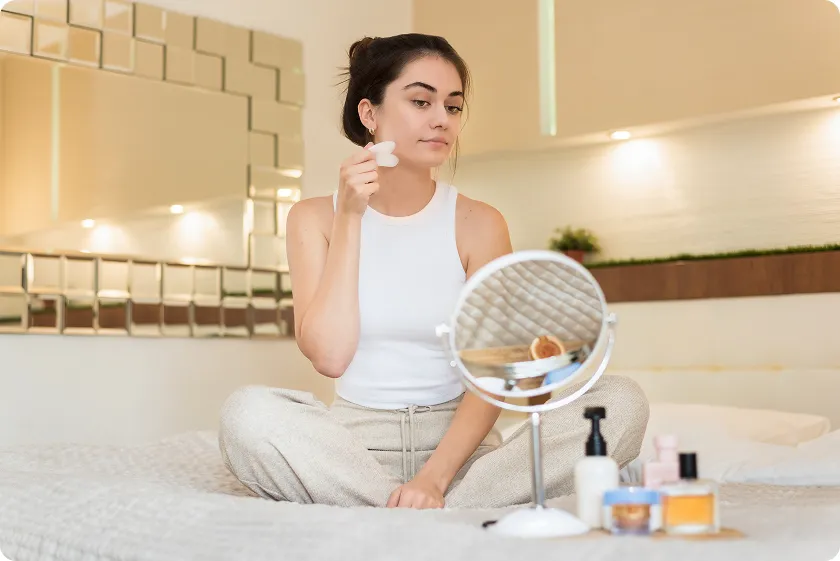
The best anti-aging skincare routine is usually the one you can follow consistently. A complicated routine increases the chance of irritation and makes it harder to identify which product caused a reaction. Start with cleanser, moisturizer, and sunscreen before adding targeted treatments.
Simple Morning Routine
Your morning routine should focus on hydration and protection.
- Wash with a gentle cleanser or rinse with lukewarm water.
- Apply an optional vitamin C or niacinamide product.
- Use a moisturizer for mature skin.
- Finish with broad-spectrum SPF 30 or higher.
- Allow sunscreen to settle before applying makeup.
Simple Evening Routine
Your evening routine should remove the day’s products and support overnight comfort.
- Remove makeup and sunscreen gently.
- Cleanse without scrubbing.
- Apply retinol on scheduled nights, if tolerated.
- Finish with a fragrance-free moisturizer.
- On non-retinol nights, focus on moisturizer and barrier care.
Basic mature skin care schedule
| Time | Essential step | Optional step |
|---|---|---|
| Morning | Gentle cleanse | Vitamin C or niacinamide |
| Morning | Moisturizer | Hydrating serum |
| Morning | SPF 30+ sunscreen | Tinted mineral sunscreen |
| Evening | Makeup removal and cleansing | None needed |
| Evening | Rich moisturizer | Retinol once or twice weekly |
| Weekly | Skin self-check | Photograph changing spots |
Adjust the Routine When Your Skin Changes
Your routine may need to change with the weather, medications, menopause, health conditions, or professional treatments. A lightweight cream may work during summer, while an ointment may be more comfortable in winter.
Reduce active ingredients when the skin feels sore, unusually tight, or inflamed. Stinging is not proof that a product is working. It is often a sign of irritation.
FAQ
1. How does the skin barrier change with age?
Natural lipid levels and moisture retention may decline. This can make mature skin drier, more sensitive, and slower to recover from irritation.
2. What causes mature skin to become dry?
Reduced oil production, hormonal changes, dry air, hot showers, harsh cleansers, some medications, and an impaired skin barrier can all contribute.
3. Why is sunscreen important for aging skin?
Broad-spectrum sunscreen helps prevent additional UV-related wrinkles, discoloration, thinning, and skin-cancer risk. It remains valuable at every age.
4. What ingredients help mature skin?
Ceramides, glycerin, hyaluronic acid, petrolatum, niacinamide, vitamin C, and carefully introduced retinoids may help, depending on your concern and tolerance.
5. Can mature skin be exfoliated?
Yes, but gently and infrequently. Avoid rough scrubs and strong home peels. Stop if exfoliation causes burning, redness, cracking, or lasting sensitivity.
Conclusion
Effective mature skin care is based on consistency rather than expensive products. Cleanse gently, choose a suitable moisturizer for mature skin, maintain daily sun protection for aging skin, and introduce active ingredients one at a time.
These steps can improve comfort, support skin hydration as skin ages, protect a weakened barrier, and reduce preventable photoaging. They will not stop natural aging, but they can help your skin remain healthier and more comfortable.
Start by reviewing your current routine today. Remove products that sting, apply daily sunscreen, and share this guide with someone who may benefit from simpler, safer mature-skin care.
Medical note: This article provides general educational information and does not replace diagnosis or individualized advice from a qualified dermatologist.
Internal Links
- Fatigue vs Exhaustion: 10 Essential Signs You Should Know
- Sublingual Immunotherapy: 7 Proven Allergy Drops Guide
- Sublingual Immunotherapy: 7 Essential Allergy Drops You Should Know About
External Links
- 7 Dermatologist Tips For Caring For Your Skin During A Seasonal Change
- 9 Skin-Care Hacks for Mature Skin
- 7 Science-Backed Tips for Skin Longevity With Insights From a Dermatologist
References
- What Is Individual Counselling? One-on-One Therapy Explained. https://www.anchoredtherapycentre.com/post/what-is-individual-counselling
- From Beach to Boardroom: Everyday Sunscreen Solutions for All Lifestyles | Vents About. https://ventsabout.com/from-beach-to-boardroom-everyday-sunscreen-solutions-for-all-lifestyles/
- Hathaway, J. A., & Sliney, D. H. (2016). ULTRAVIOLET RADIATION. https://doi.org/10.1002/9781119276531.ch12
- Skincare Tips – Eumora Moor Bar. https://eumoramoorbar.com/blogs/moor-facial-bar/skincare-tips
- Medik8 Skin Care for People with Dry Skin – UpLoadYourBlogs. https://uploadyourblogs.com/lifestyle/medik8-skin-care-for-people-with-dry-skin