

Table of contents

Introduction
Losing your appetite can be frustrating and concerning. If you’re wondering what to eat when you have no appetite, you are not alone. Appetite loss can happen for a variety of reasons, from illness, stress, or medication side effects to emotional factors such as anxiety or depression.
Although skipping meals might seem harmless in the short term, prolonged appetite suppression can lead to nutrient deficiencies, fatigue, and weight loss. The good news is that there are proven strategies to increase your appetite and nourish your body even when you don’t feel hungry. This guide will explore practical tips, dietary strategies, and foods that can help you safely and effectively regain your appetite.
Why Do You Lose Your Appetite?

Understanding the reason for loss of appetite is key to addressing it. Appetite can decline for many reasons, including:
- Physical causes: infections, chronic illnesses, digestive problems, hormonal changes, or medication side effects.
- Psychological causes: stress, anxiety, depression, grief, or eating disorders.
- Lifestyle factors: irregular meal patterns, excessive caffeine, smoking, or alcohol use.
In some cases, a lack of appetite is temporary, such as during a cold or after intense exercise. In other cases, persistent loss of appetite can signal an underlying medical condition that requires professional evaluation.
How to Increase Your Appetite

There are multiple ways to increase appetite, which include both lifestyle and dietary interventions:
- Regular physical activity: Even light exercise stimulates hunger hormones.
- Relaxation techniques, such as meditation or deep breathing, can reduce stress and improve appetite.
- Mindful eating: Focusing on taste, texture, and enjoyment of food helps re-engage your body’s hunger signals.
- Medical evaluation: If appetite loss persists, consult a healthcare provider to rule out underlying conditions.
7 Proven Tips for What to Eat When You Have No Appetite
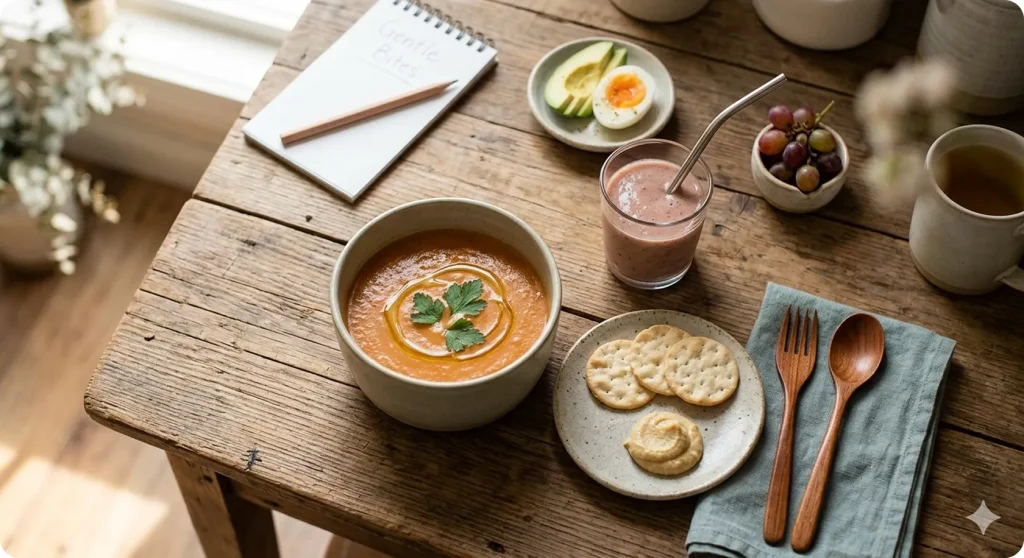
1. Eat Small, Frequent Meals
Eating a full three-course meal may feel overwhelming if your appetite is low. Instead:
- Opt for smaller meals spread throughout the day.
- Try eating every 2–3 hours with light snacks.
- Focus on easy-to-digest foods such as yogurt, oatmeal, or fruit.
Small, frequent meals prevent your body from feeling too full or stressed, helping to restore appetite gradually.
2. Choose Nutrient-Dense Foods
When you’re hungry but have no appetite, it’s important that the foods you do eat provide maximum nutrition. Focus on:
- High-calorie, low-volume options: nuts, avocado, nut butter, olive oil.
- Whole grains: brown rice, quinoa, or oats for sustained energy.
- Vitamin- and mineral-rich fruits and vegetables: berries, spinach, carrots.
The goal is to maximise nutrient intake without forcing large meals.
3. Incorporate Smoothies and Shakes
Liquid meals are easier to consume when your appetite is low. Consider:
- Smoothies with fruits, vegetables, protein powder, and healthy fats.
- Milk or plant-based shakes fortified with honey or nut butter.
- Soups blended with vegetables and proteins like chicken or lentils.
These are easy to sip, highly customizable, and can provide calories and nutrients in a manageable form.
4. Spice It Up
Mild spices and herbs can stimulate appetite:
- Ginger or mint may improve digestion and increase hunger.
- Cinnamon or cardamom can enhance flavour without adding calories.
- Lightly seasoned dishes are often more appealing than plain foods.
Experimenting with taste can help overcome the “I don’t feel like eating” barrier.
5. Include Light Proteins
Proteins are essential, even when appetite is low. Focus on:
- Eggs or yogurt for breakfast.
- Lean meats, tofu, or fish in small portions.
- Legumes like lentils or chickpeas in soups or salads.
Protein supports energy, muscle maintenance, and overall recovery, even with reduced food intake.
6. Mind Your Hydration
Sometimes, dehydration can mask hunger. Proper hydration strategies include:
- Drinking small amounts frequently instead of large volumes at once.
- Choose flavoured water, herbal teas, or broths to encourage fluid intake.
- Avoiding excessive coffee or alcohol, which can suppress appetite.
Staying hydrated improves digestion and can indirectly increase your appetite.
7. Make Meals Visually Appealing
Presentation matters. Food that looks good is easier to eat, even when not hungry:
- Use colourful fruits and vegetables.
- Serve on a nice plate or bowl.
- Garnish with herbs or a drizzle of healthy oil.
A visually appealing meal can trigger your senses and naturally stimulate your appetite.
Sample Appetite-Boosting Foods Checklist
| Food Category | Examples | Benefits |
|---|---|---|
| Fruits | Berries, bananas, oranges | Vitamins, natural sugars for energy |
| Vegetables | Carrots, spinach, bell peppers | Fibre, antioxidants |
| Proteins | Eggs, yogurt, lean chicken, tofu | Muscle maintenance, satiety |
| Healthy Fats | Avocado, nuts, olive oil | Calorie-dense, supports brain health |
| Liquids | Smoothies, milkshakes, soups | Easy to consume, hydrating |
| Flavour Boosters | Ginger, mint, cinnamon | Stimulate taste and appetite |
FAQ
1. Should I eat if I’m not hungry?
Yes, even if you don’t feel hungry, small nutrient-rich meals or snacks help maintain energy and prevent nutrient deficiencies.
2. How do I get my appetite back naturally?
Try frequent small meals, light exercise, flavorful foods, and hydration. Avoid skipping meals and monitor stress levels.
3. Why do I have no appetite?
Loss of appetite can result from illness, stress, medications, or lifestyle habits. Persistent issues should be discussed with a healthcare provider.
4. What causes a loss in appetite?
Common causes include infections, chronic diseases, mental health conditions, digestive disorders, or medications that alter taste or hunger signals.
5. What can I do if I’m hungry but have no appetite?
Focus on easy-to-eat foods like smoothies, soups, or soft fruits. Making meals appealing and nutrient-dense helps bridge the gap.
Conclusion
Struggling with appetite loss can be challenging, but taking proactive steps can help you eat enough to stay healthy. By choosing small, frequent meals, nutrient-dense foods, and liquids like smoothies, and making meals visually appealing, you can gradually restore your appetite.
Remember, understanding why you have no appetite is as important as knowing what to eat. If the issue persists, consult a healthcare professional to rule out underlying conditions.
Start today by incorporating even one or two appetite-boosting tips into your routine and notice how your energy and overall well-being improve.
Internal Links
- 7 Effective What Foods Help With Constipation Tips
- 9 Proven Foods That Cause Constipation Fast
- Diet for Diverticulitis Flare Up: 7 Essential Foods You Must Try
External Links
- 7 Tips for Eating When You Have No Appetite — and Foods That Might Help
- 13 Ways to Increase Your Appetite
- How to overcome a poor appetite
References
- Low-T Clinic Archives – Chattanooga Men’s Clinic https://chattanoogamensclinic.com/category/low-t-clinic/
- Hair doesn’t grow – Mouths of Mums https://mouthsofmums.com.au/forum/hair-doesnt-grow/
- Why Your Lips Are So Dry During Pregnancy and How to Find Relief – Be A Positive Mom https://www.beapositivemom.in/2023/12/Why-Your-Lips-Are-So-Dry-During-Pregnancy-and-How-to-Find-Relief.html
- Gastritis Diet: Foods to Eat and Avoid https://gastroliver.co.in/gastritis-diet-foods-to-eat-and-avoid.php
- Valle-Muñoz, V., Águila-Lara, E., Ávila-García, M., Ávila-García, M., Segura-Díaz, J., Campos-Garzón, P., Barranco-Ruiz, Y., Saucedo-Araujo, R., & Villa-González, E. (2025). Assessment of Perceived Physical Literacy and Its Relationship with 24-Hour Movement Guidelines in Adolescents: The ENERGYCO Study. International Journal of Environmental Research and Public Health, 22(2), 194.