

✍️ Written By: Healthy Eats Guide Team — Health & Nutrition Specialist
🩺 Medically Reviewed By: Doctor Imran Hameed
📅 Updated: August 2026 | ✅ Fact-Checked & Evidence-Based
Table of contents
Introduction
Harmful microorganisms are tiny living organisms that can cause infections and illnesses in humans. While most microbes are harmless, or even beneficial, certain pathogens, including bacteria, viruses, fungi, and protozoa, can trigger serious diseases. Understanding how these microorganisms function and how infections spread is crucial for maintaining good health.
In this article, we explore 10 essential facts to prevent infection and provide clear, actionable guidance for daily life. You will learn about how viruses spread, the difference between bacteria and viruses, examples of pathogens, and how to reduce the risk of falling ill. By implementing these strategies, you can protect yourself, your family, and your community from harmful microorganisms.
Fact 1: Harmful Microorganisms Are Everywhere
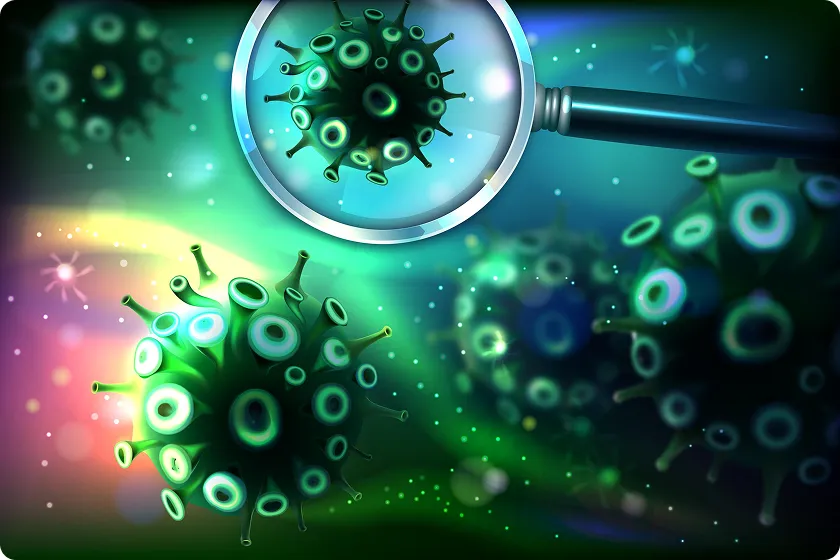
Harmful microorganisms exist on surfaces, in the air, water, soil, and even on human skin. Common pathogens include E. coli, Salmonella, influenza virus, and Candida fungi.
Key points:
- Pathogens can survive on surfaces for hours to days.
- Awareness of microbial presence is the first step in prevention.
- Microorganisms can infect humans through ingestion, inhalation, or direct contact.
Actionable tip: Clean frequently touched surfaces, and wash hands after contact with public objects.
Fact 2: Not All Microorganisms Are Harmful
Humans coexist with millions of microorganisms that are essential for health. Non-pathogenic microbes aid in digestion, boost immunity, and prevent the growth of harmful bacteria.
Examples:
- Gut microbiota: Helps digest food and maintain immune balance.
- Skin microbes: Protect against invasive pathogens.
Actionable tip: Consume probiotics and maintain a balanced diet to support these beneficial microorganisms.
Fact 3: Hand Hygiene Saves Lives

Handwashing is the most effective way to prevent bacterial and viral infections. Pathogens are easily transferred from contaminated surfaces to your hands and then to your mouth, nose, or eyes.
Best practices:
- Wash your hands with soap and water for at least 20 seconds.
- Use alcohol-based sanitizer when soap is unavailable.
- Wash your hands after touching public surfaces, using the restroom, or before eating.
Fact 4: Food Safety Is Crucial

Harmful microorganisms like Salmonella, E. coli, and Listeria thrive in improperly handled food. Unsafe food practices are a leading cause of infections.
Tips for safe food handling:
- Cook meat, poultry, and eggs thoroughly.
- Store perishable foods in the refrigerator.
- Avoid cross-contamination of raw and cooked foods.
- Wash fruits and vegetables thoroughly.
Fact 5: Vaccines Provide Targeted Protection
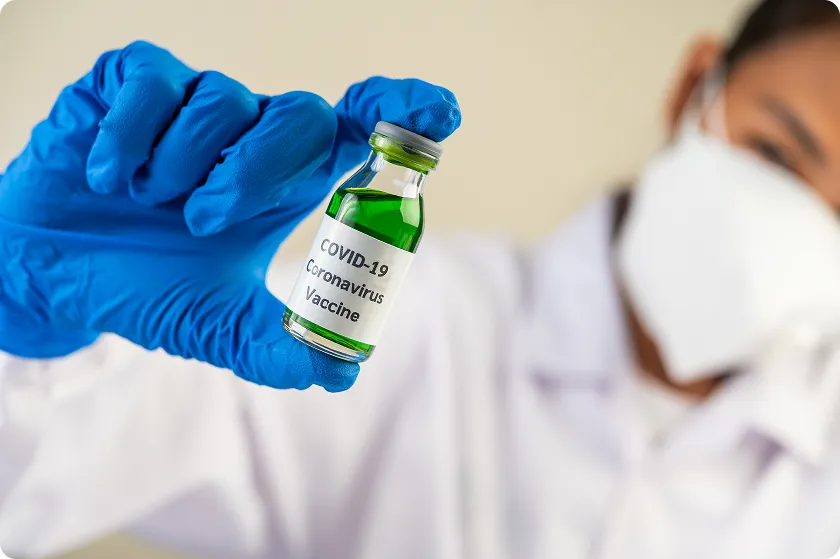
Vaccination is a critical defense against pathogens. Vaccines train the immune system to recognize specific viruses or bacteria, thereby preventing infections.
Examples:
- Influenza vaccine
- Hepatitis B vaccine
- COVID-19 vaccine
Actionable tip: Stay up to date on recommended vaccinations to reduce the risk of preventable infections.
Fact 6: Avoid Touching Your Face

Pathogens can enter the body through the eyes, nose, and mouth. Touching your face with contaminated hands is a common way infections occur.
Tip: Be mindful of habits like rubbing your eyes, touching your nose, or biting your nails. Hand hygiene combined with reduced face contact lowers infection risk.
Fact 7: Disinfect Common Surfaces
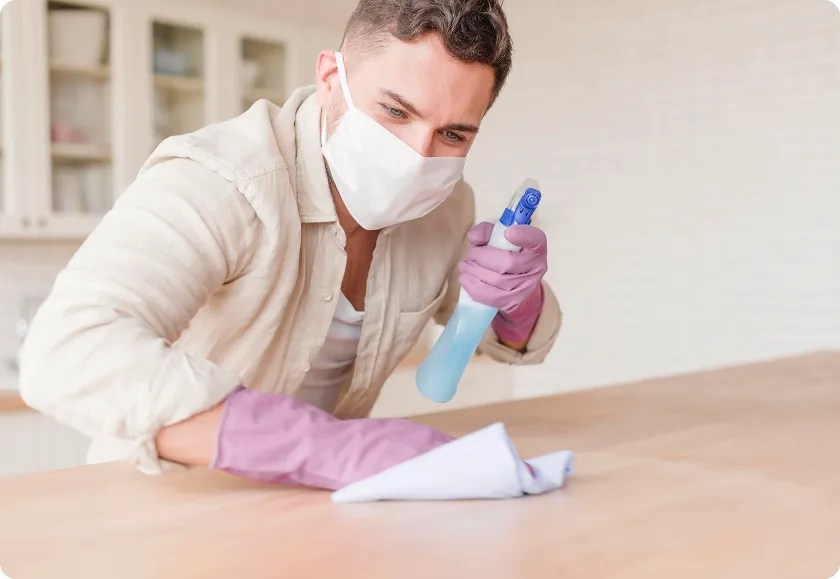
Pathogens survive on surfaces such as doorknobs, phones, keyboards, and countertops. Disinfection reduces indirect transmission of harmful microorganisms.
Recommended disinfectants:
- Alcohol solutions (60% or higher)
- Bleach-based cleaners
- Antimicrobial wipes
Actionable tip: Clean high-touch areas daily, especially during cold and flu season.
Fact 8: Know the Difference Between Infection and Disease

Many people confuse infection and disease:
- Infection: Entry and multiplication of pathogens in the body.
- Disease: Symptoms caused by infection, such as fever, cough, or diarrhea.
Example: You may carry a virus without showing symptoms (infection without disease), but you can still transmit it.
Fact 9: Airborne and Vector Precautions

Viruses and bacteria can be airborne, while vectors like mosquitoes often spread protozoa.
Prevention strategies:
- Wear masks in crowded or poorly ventilated areas.
- Use mosquito nets and repellents in areas with malaria or dengue risk.
- Ensure proper ventilation indoors.
Fact 10: Healthy Lifestyle Supports Immunity

A strong immune system helps the body fight pathogens more effectively. Lifestyle factors influence immunity significantly.
Recommendations:
- Eat a balanced diet rich in fruits, vegetables, and probiotics.
- Exercise regularly to maintain circulation and immune efficiency.
- Get adequate sleep (7–9 hours for adults).
- Manage stress through mindfulness or meditation.
Quick Prevention Checklist
| Action | Frequency | Importance |
|---|---|---|
| Handwashing after public contact | High | High |
| Surface disinfection | Daily | Medium |
| Safe food handling | Every meal | High |
| Vaccination as scheduled | As scheduled | High |
| Avoid touching your face | Daily | Medium |
| Mosquito/airborne protection | Seasonally | Medium |
| Healthy lifestyle | Daily | High |
FAQ
1. Are viruses considered microorganisms?
Yes, viruses are microbes, but they differ from bacteria because they require host cells to replicate.
2. Can you get sick again from your own germs?
Yes, If the balance between harmful and non-pathogenic microbes is disrupted, infections may occur.
3. What is the difference between bacteria and viruses?
Bacteria are living cells that can reproduce independently; viruses need a host cell to multiply.
4. How do infections spread?
Through direct/indirect contact, contaminated food/water, airborne droplets, and vectors like mosquitoes.
5. How can I prevent bacterial infections?
Maintain hygiene, disinfect surfaces, cook food properly, vaccinate, and strengthen immunity.
Conclusion
Harmful microorganisms are omnipresent, but you can take actionable steps to prevent infections. By practicing good hand hygiene, safe food handling, vaccination, and healthy lifestyle habits, you can dramatically reduce your risk of illness.
Understanding the difference between infection and disease, knowing examples of pathogens, and implementing precautions against airborne and vector-borne microorganisms help ensure your health remains protected.
Internal Links
- Gerd Relief: 7 Proven Tips to Manage Flare Ups
- Menopause Joint Pain: 7 Proven Relief Tips
- Neck Pain at Base of Skull: 8 Proven Relief Tips
External Links
- Dangerous Microbes
- Understanding Harmful Microorganisms: Key Facts for Students
- How to prevent infections
References
- Tips for Avoiding Impulse Purchases | The Fox Magazine https://thefoxmagazine.com/dreaming-bigger/money/tips-for-avoiding-impulse-purchases/
- Antibiotics Treatment – Blanket Health – Broward County Primary Care Physicians https://myblankethealth.com/antibiotics-treatment/
- HMPV Outbreak in China Sparks Déjà Vu of COVID, But Virus Not Dangerous for Indians: Dr Shekhar Mande – Punekar News https://www.punekarnews.in/hmpv-outbreak-in-china-sparks-deja-vu-of-covid-but-virus-not-dangerous-for-indians-dr-shekhar-mande/
- The cold war – helping you combat colds and flu https://www.unichem.co.nz/post/the-cold-war-helping-you-combat-colds-and-flu
- Bloodborne Pathogens Certification: A Necessity in High-Risk Jobs https://cprcertificationnow.com/blogs/mycpr-now-blog/bloodborne-pathogens-certification-a-necessity-in-high-risk-jobs
- Campbell, C. (2019). Seroprevalence and Characteristics of Hepatitis E in the United States. https://core.ac.uk/download/275573301.pdf
- COVID- 19 Statement by Every Nation NYC | – Every Nation Church, New York https://www.everynationnyc.org/covid-19-statement-by-every-nation-nyc/
- Running Essential Errands https://www.advantageinsurancebenefits.com/post/running-essential-errands