

✍️ Written By: Healthy Eats Guide Team — Health & Nutrition Specialist
🩺 Medically Reviewed By: Doctor Imran Hameed
📅 Updated: August 2026 | ✅ Fact-Checked & Evidence-Based
Table of Contents

Introduction
Have you ever walked into a room and immediately felt that something was wrong with the temperature? Maybe the air feels too warm, your hands feel cold, or you cannot concentrate because the room is uncomfortable. Many people adjust their thermostat without knowing what temperature actually works best.
The answer depends on several factors, but room temperature in Celsius usually refers to a range that keeps most people comfortable in an indoor environment. The commonly accepted range is around 20°C to 22°C, although personal preference, humidity, clothing, activity level, and climate can change what feels comfortable.
Understanding normal room temperature is useful not only for comfort but also for creating a healthier home environment. In this guide, we will explore seven important facts about indoor temperature, why it changes, and how to find the best balance for your daily life.
What Is Room Temperature in Celsius and Why Does It Matter?

When people ask, “What is room temperature in Celsius?” they usually expect one exact number. However, room temperature is not a fixed point like the freezing or boiling temperature of water. It is a practical range used to describe a comfortable indoor condition for humans.
The idea of a comfortable room temperature has developed through everyday experience, scientific measurements, and building standards. A temperature that feels pleasant in one location may feel completely different somewhere else because people adapt to their surroundings.
The ideal indoor temperature is influenced by more than the number shown on a thermostat. Factors such as humidity, airflow, sunlight exposure, and clothing choices can change how your body experiences heat.
Want a deeper dive into what room temperature means scientifically? A dedicated guide is coming soon.
Fact 01: Understanding the Common Celsius Range
For most indoor spaces, a temperature between 18°C and 24°C is often considered comfortable for many people. However, the middle of this range is where many homes and workplaces aim to stay.
A living room in a cool climate may feel comfortable at 20°C, while someone living in a warmer region may prefer 23°C or 24°C. The human body constantly adjusts to its surroundings, which is why comfort is personal.
The term “room temperature” is also used differently in science, medicine, and daily conversation. In laboratories, room temperature is sometimes defined as approximately 20°C to 25°C because experiments require controlled conditions.
In everyday life, however, the goal is not a perfect number. The goal is maintaining a stable thermal comfort level where people can relax, work, and sleep without feeling too hot or cold.
Fact 02: Why Room Temperature Changes From Place to Place
Many people wonder, “Why does room temperature vary?” The simple answer is that indoor comfort depends on the relationship between the human body and the surrounding environment.
A room at 22°C can feel colder if there is strong air movement from fans or air conditioning. The same temperature may feel warmer if sunlight enters through large windows or if humidity levels are high.
Climate also plays a major role. Someone living in a tropical area may find 24°C pleasantly cool, while someone from a colder region may consider it warm.
Other factors include:
- Building insulation quality
- Number of people inside the room
- Heat produced by electronics
- Amount of natural sunlight
- Indoor humidity levels
A well-designed home environment focuses on balance rather than simply lowering or increasing the temperature.
Key takeaway: Room temperature is not just a number on a thermostat. It is the combination of temperature, humidity, airflow, and personal comfort.
The Best Room Temperature for Comfort, Sleep, and Daily Activities

Finding the best room temperature for comfort is not only about avoiding sweating or feeling cold. The temperature around you can affect how relaxed you feel, how well you sleep, and how easily you perform daily activities.
The comfortable room temperature for one person may not match another person’s preference. Some people naturally feel colder due to differences in their bodies, while others prefer a cooler environment.
Most experts recommend keeping indoor temperatures within a moderate range and adjusting based on personal needs. Instead of chasing a single “perfect” temperature, it is better to understand that different situations require different settings.
Want a deeper dive into how temperature affects comfort during different activities? A dedicated guide is coming soon.
Fact 03: Finding the Right Temperature for Different Rooms
Different rooms in a home may require slightly different temperature settings because their purposes are different.
A bedroom, for example, is usually more comfortable when slightly cooler because the body naturally lowers its temperature during sleep. A cooler sleeping environment may help some people feel more comfortable at night.
A workspace may require a balanced temperature that supports focus. If a room is too warm, some people may feel tired or less alert. If it is too cold, discomfort can become distracting.
The kitchen can feel warmer than other areas because cooking appliances produce heat. Bathrooms may feel colder because people often spend less time there, and humidity can alter the perceived temperature.
Here is a general comparison:
| Room or Activity | Common Comfortable Range |
|---|---|
| Bedroom during sleep | 18°C to 21°C |
| Living room relaxation | 20°C to 22°C |
| Office or study area | 20°C to 23°C |
| Kitchen area | 19°C to 22°C |
| Bathroom comfort | 21°C to 24°C |
Table: Common Indoor Temperature Preferences by Room
These ranges are general suggestions, not strict rules. Individual comfort should always guide adjustments.
Fact 04: How Humidity Changes Your Feeling of Temperature
Temperature alone does not explain comfort. Humidity can completely change how warm or cool a room feels.
When humidity is high, sweat evaporates more slowly from the skin. This can make a room feel warmer even if the actual temperature has not changed.
On the other hand, very dry air can make some people uncomfortable by contributing to dry skin, irritated eyes, or a dry throat.
A balanced indoor environment usually requires paying attention to both temperature and moisture levels. This is why two homes with the same Celsius reading can feel completely different.
For example, a 22°C room with moderate humidity may feel comfortable, while a 22°C room with very high humidity may feel warmer and less pleasant.
Key takeaway: The best room temperature is not simply the lowest or highest setting. It is the point where your body feels comfortable without extra stress.
How Indoor Temperature Influences Health, Productivity, and Your Home Environment
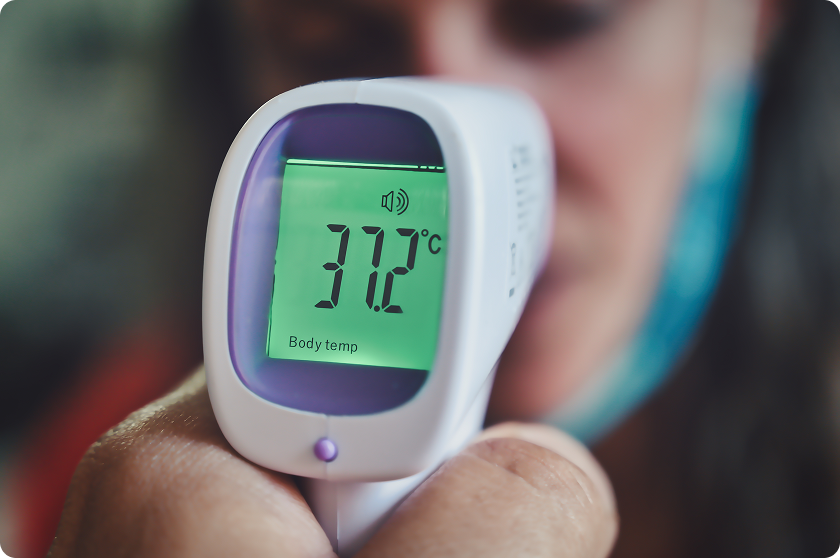
The temperature inside your home does more than affect whether you feel comfortable. It can influence your daily routine, sleep quality, concentration, and overall experience of your living space. While indoor temperature is not the only factor affecting health, maintaining a reasonable range can support a more comfortable lifestyle.
Many people focus only on extreme temperatures, but small changes can also affect how the body responds. A room that feels slightly too warm may make relaxation harder, while a room that feels too cold may create constant discomfort.
The goal of managing indoor temperature is not to create a perfect environment at all times. It is to create a stable space where your body can naturally regulate itself without unnecessary strain.
Want a deeper dive into how indoor temperature affects health and daily performance? A dedicated guide is coming soon.
Fact 05: How Temperature Can Affect Sleep and Rest
Sleep is one area where temperature often receives attention because the body naturally changes its temperature during the sleep cycle. A room that feels too warm may make it harder for some people to fall asleep comfortably.
Many sleep specialists suggest that a slightly cooler bedroom environment works well for many adults. However, the ideal setting depends on personal preference, bedding, clothing, and climate.
For example, someone sleeping under a thick blanket may prefer a cooler room, while someone using lightweight bedding may feel comfortable at a higher temperature.
A practical approach is to adjust your bedroom based on your own experience. If you regularly wake up feeling overheated or uncomfortable, small changes in temperature may improve your sleep environment.
The same principle applies to children, older adults, and people with different comfort needs. Some individuals may need warmer conditions because they are more sensitive to cold.
Fact 06: Temperature Balance for Work and Daily Activities
A comfortable home environment can make everyday tasks easier. Whether you are studying, working remotely, cooking, or relaxing, temperature affects how you experience the space.
A room that is too warm may reduce comfort because the body expends more energy to dissipate heat. A colder room may make movement less comfortable and can distract people from their activities.
This is especially noticeable in offices and study areas. Many people have experienced difficulty focusing in a room where they are constantly thinking about being too hot or too cold.
Maintaining a stable temperature range can help create a more pleasant environment. However, temperature preferences vary widely, so personal adjustment remains important.
Key takeaway: A good indoor temperature supports comfort and daily routines, but personal needs should always guide the final choice.
Common Misconceptions About Room Temperature in Celsius

People often assume there is a single universal answer to the question, “What Celsius temperature is considered room temperature?” In reality, the answer depends on the purpose, location, and individual preferences.
Some temperature myths stem from confusing scientific definitions with everyday comfort. A laboratory definition of room temperature may not represent what feels comfortable inside a house.
Understanding these differences helps people make better decisions about heating, cooling, and creating a pleasant home environment.
Want a deeper dive into common temperature myths and facts? A dedicated guide is coming soon.
Fact 07: Myth: Room Temperature Means Exactly 25°C
One common misunderstanding is that room temperature always means exactly 25°C. This number is sometimes used in scientific and industrial settings because it provides a convenient reference point.
However, everyday room comfort is usually much broader in scope. A person may feel comfortable at 20°C, while another person may prefer 24°C.
The phrase “room temperature” has different meanings depending on context. In cooking instructions, medicine storage, scientific experiments, and home comfort discussions, the expected temperature range may differ.
In normal living spaces, comfort matters more than sticking to a single number.
Fact 08: Myth: Lower Temperature Always Means Better Comfort
Another common belief is that a colder room is automatically healthier or more comfortable. This is not true for everyone.
A very cold environment can feel unpleasant and may prompt people to wear extra layers, use heaters, or use blankets. On the other hand, excessive heat can also reduce comfort.
The best approach is finding a balanced temperature that suits your body and activities.
For example, a person working at a desk may prefer a slightly warmer environment than someone exercising indoors. A person sleeping under heavy bedding may choose a cooler room than someone using light sheets.
Key takeaway: There is no single perfect Celsius number for every person, room, or situation. Comfort depends on the complete environment.
Frequently Asked Questions About Room Temperature in Celsius
Many people search for quick answers about temperature because they want a practical setting for their home, office, or bedroom. These common questions explain the basics.
1. What is room temperature in Celsius?
Room temperature in Celsius generally refers to a comfortable indoor range around 18°C to 24°C. For many people, approximately 20°C to 22°C feels comfortable.
2. What Celsius temperature is considered room temperature?
A Celsius temperature between 20°C and 25°C is often used as a general reference for room temperature, especially in scientific contexts. Everyday comfort may vary.
3. How many degrees Celsius is room temperature?
There is no single exact value. Most homes consider around 20°C to 22°C a comfortable room temperature, but climate and personal preference affect the ideal setting.
4. Why does room temperature vary?
Room temperature varies because of humidity, airflow, insulation, sunlight, clothing, activity level, and regional climate. The same temperature can feel different in different conditions.
Conclusion: Finding Your Ideal Room Temperature in Celsius
Understanding room temperature Celsius helps you create a more comfortable and balanced living space. While many people consider around 20°C to 22°C a comfortable range, the best choice depends on your body, climate, humidity, and daily activities.
The idea of a normal room temperature is not about reaching one perfect number. It is about creating an environment where you can rest, work, and live comfortably.
A well-managed indoor temperature can improve your overall experience at home and help you make smarter decisions about heating and cooling.
Internal Links
- Sleep Hygiene Checklist: 8 Complete Ways to Increase Rest
- Success Starts Here: 2025 Healthy Morning Routine
- 14-Day Energy Boost Challenge: 7 Proven Daily Habits