

✍️ Written By: Healthy Eats Guide Team — Health & Nutrition Specialist
🩺 Medically Reviewed By: Doctor Imran Hameed
📅 Updated: August 2026 | ✅ Fact-Checked & Evidence-Based
Table of Contents

Introduction
Have you ever eaten a healthy meal and still ended up with a burning sensation in your chest, bloating, or uncomfortable fullness afterwards? Many people with digestive issues face this confusion, especially when a food is considered “healthy” but does not always feel good in their body.
When it comes to sweet potato GERD concerns, the answer is not simply yes or no. Sweet potatoes are naturally nutritious, but how your body responds can depend on portion size, preparation method, and your individual reflux triggers.
Some people find that sweet potatoes’ acid reflux symptoms are less noticeable because they are mild and filling, while others may experience discomfort after eating them.
This guide explains why sweet potatoes may affect reflux, how to prepare them in a more digestion-friendly way, and how to include them in a balanced, reflux-friendly diet.
Are Sweet Potatoes Good for GERD? Understanding Their Effect on Acid Reflux
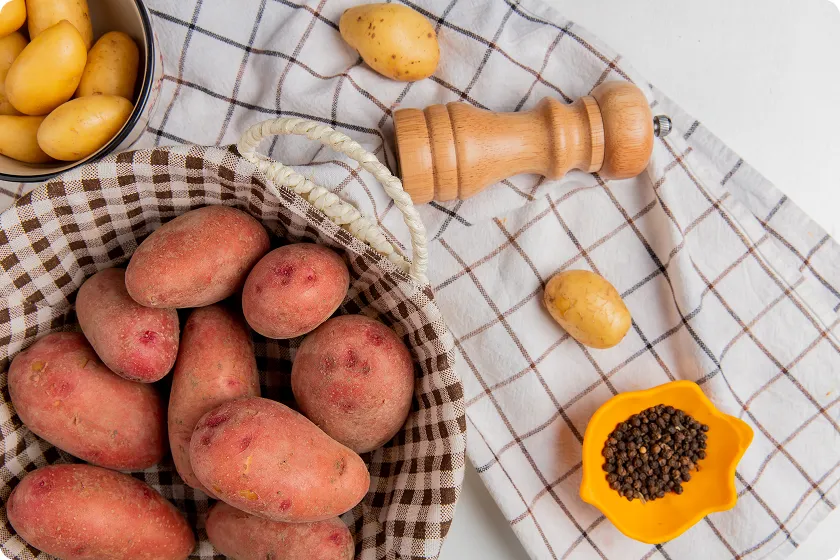
Sweet potatoes often appear on lists of healthy foods, but people with GERD naturally want to know whether they are a safe choice. The relationship between sweet potatoes and acid reflux symptoms is more personal than many people expect.
Unlike highly acidic foods such as citrus fruits or tomatoes, sweet potatoes are generally considered a low-acid food. They contain fibre, vitamins, and minerals that can support overall digestive health. However, eating habits around sweet potatoes matter just as much as the food itself.
A large serving, heavy toppings, or eating close to bedtime may create problems for some people. Understanding the “why” behind symptoms can help you make better choices instead of removing foods unnecessarily.
Tip 01: Why sweet potatoes may support digestive health
Sweet potatoes contain soluble and insoluble fibre, which can help maintain regular digestion. Fibre supports normal bowel movements and may help prevent constipation, a condition that can sometimes increase abdominal pressure and contribute to reflux symptoms.
They also provide complex carbohydrates that digest more slowly compared with many refined foods. This slower digestion can help some people avoid sudden hunger and large meals, which are common reflux triggers.
However, fibre affects everyone differently. Someone who suddenly increases fibre intake may notice gas or bloating. When the stomach feels overly full, pressure can push stomach contents upward, worsening heartburn symptoms.
A practical approach is to start with a moderate portion and observe your body’s response.
A small baked sweet potato may feel comfortable, while a large sweet potato loaded with butter, cream, or spicy sauces may create a completely different experience.
Tip 02: Can sweet potatoes cause acid reflux in some people?
The question “can sweet potatoes cause acid reflux” does not have one universal answer. Sweet potatoes themselves are not commonly recognised as a major trigger of acid reflux, but individual reactions vary.
Some people may notice discomfort because of:
- Eating a very large portion
- Adding high-fat toppings
- Combining them with spicy foods
- Eating too quickly
- Lying down soon after a meal
Fatty additions such as heavy cream, cheese sauces, or excessive butter may slow stomach emptying. When food remains in the stomach longer, reflux symptoms can become more likely in sensitive individuals.
Food tolerance is highly individual. A person who experiences reflux after eating sweet potatoes may not be reacting to the vegetable itself but to how it was prepared or what it was eaten with.
The better question is often not “Are sweet potatoes bad for GERD?” but “How can I eat them in a way that works for my body?”
How Cooking Methods Change Sweet Potato GERD Effects

The way you prepare sweet potatoes can significantly affect how comfortable they feel afterwards. Many people focus only on the food itself and ignore the cooking method, portion size, and added ingredients.
For people following a GERD-friendly foods approach, simple preparation usually works better than complicated recipes. A plain sweet potato may be easier to tolerate than a dish containing multiple reflux triggers.
Cooking changes the texture, moisture, and the speed at which food is eaten. These details can affect digestion, especially for people who already experience reflux symptoms.
Tip 03: Best cooking methods for reflux-friendly sweet potatoes
When choosing how to cook sweet potatoes for GERD, gentler cooking methods are usually a good starting point.
| Cooking Method | Possible GERD Consideration | Practical Tip |
|---|---|---|
| Baking | Usually well tolerated when eaten plain | Avoid heavy toppings and large portions |
| Boiling | Creates a softer texture that may feel easier to digest | Keep seasoning simple |
| Steaming | Maintains moisture without adding extra fat | Pair with lean protein |
| Deep frying | Higher fat content may worsen symptoms for some people | Limit if reflux is frequent |
Baking and steaming are often preferred because they do not require large amounts of oil. The goal is not to make sweet potatoes “perfect,” but to avoid unnecessary additions that may increase digestive discomfort.
For example, a baked sweet potato with a small amount of olive oil may be easier for some people than sweet potato fries cooked in a lot of oil.
Tip 04: Why preparation matters more than people realise
Many people ask, “Why do sweet potatoes cause heartburn?” The surprising answer is often linked to the full meal, not just the sweet potato.
Imagine two meals:
Meal one:
- Plain baked sweet potato
- Grilled chicken
- Cooked vegetables
Meal two:
- Fried sweet potato fries
- Spicy sauce
- Cheese topping
- Large portion size
The sweet potato is present in both meals, but the digestive experience may be completely different.
High-fat foods, spicy ingredients, and oversized meals are commonly reported triggers of acid reflux because they may affect stomach emptying and increase discomfort.
Another factor is timing. Eating a heavy meal late at night and lying down shortly afterwards can make reflux symptoms more noticeable.
A simple meal with balanced portions is usually more important than avoiding one specific ingredient.
Want a deeper dive into How to Cook Sweet Potatoes for GERD? A dedicated guide is coming soon.
How to Eat Sweet Potatoes With GERD Without Triggering Symptoms

Finding a comfortable way to include sweet potatoes in your diet is usually about balance rather than restriction. Many people with GERD can enjoy this nutritious food by adjusting portions, meal timing, and ingredient choices.
The best approach is to look at your overall eating pattern rather than labelling foods as simply “good” or “bad.” A food that causes discomfort for one person may be completely fine for another.
Understanding the best way to eat sweet potatoes with GERD can help you create meals that support digestion while still offering variety.
Tip 05: Portion size and meal combinations matter
One of the most overlooked factors in reflux management is portion size. Even foods considered gentle on digestion can become uncomfortable when eaten in very large amounts.
A large serving of sweet potatoes contains a significant amount of carbohydrates and fibre. For some people, this can create fullness, gas, or bloating, especially if their digestive system is sensitive.
A better starting point may be a moderate portion, combined with other foods to create a balanced meal.
Examples:
- A small baked sweet potato with lean protein
- Mashed sweet potato with mild seasoning
- Steamed sweet potato cubes with vegetables
The goal is to avoid creating excessive pressure in the stomach. When the stomach becomes overly full, it may increase the chance of stomach contents moving upward into the oesophagus.
A comfortable portion eaten slowly is often more helpful than completely removing a nutritious food from your diet.
Tip 06: Building a reflux-friendly sweet potato meal
A reflux-friendly diet is not only about individual foods. It is about how different foods work together.
For example, adding too much butter, cream, fried toppings, or spicy seasoning can change a simple sweet potato meal into something harder to tolerate.
A useful framework is:
Choose a gentle base + add lean protein + include mild flavours
Good combinations may include:
- Sweet potato with grilled chicken
- Sweet potato with eggs
- Sweet potato with non-spicy vegetables
- Sweet potato soup with simple ingredients
People with frequent reflux symptoms may also benefit from keeping a food diary. This can reveal personal patterns that are otherwise difficult to notice.
For example, someone may think sweet potatoes cause problems, but later discover that symptoms only happen when they eat them late at night with fatty toppings.
Want a deeper dive into The Best GERD-Friendly Meal Combinations With Sweet Potatoes? A dedicated guide is coming soon.
Understanding Sweet Potatoes Within a GERD-Friendly Diet

Sweet potatoes can fit into many healthy eating patterns, but they should be viewed as one part of a larger digestive health strategy. Managing reflux often involves looking at eating habits, lifestyle factors, and individual sensitivities together.
There is no single food list that works for every person with GERD. Some people tolerate a wide variety of foods, while others notice symptoms from specific ingredients or meal patterns.
The connection between GERD-friendly foods and symptom management is not about creating a restrictive diet. It is about finding foods that provide nutrition without regularly causing discomfort.
Tip 07: How sweet potatoes compare with other common foods
People often search for “safe foods” when dealing with reflux, but tolerance varies widely. Instead of assuming one food is always better, it helps to understand how different choices may affect digestion.
Table: Comparing common carbohydrate choices for reflux-sensitive individuals
| Food Choice | General Digestive Consideration | Possible GERD-Friendly Approach |
|---|---|---|
| Sweet potato | Provides fiber and nutrients, but large portions may feel heavy | Eat moderate portions with simple preparation |
| White rice | Often considered easy to digest | Pair with protein and vegetables |
| Oatmeal | Contains soluble fiber and may feel filling | Avoid adding high-fat toppings |
| Fried potatoes | Higher fat content may bother some people | Choose baked or boiled versions |
This comparison does not mean one food is universally better. The right choice depends on your symptoms, lifestyle, and how your body responds.
Tip 08: Recognising your personal reflux triggers.
Many people spend time searching for a perfect GERD diet, but reflux management is often more personalised than that.
Common triggers can include:
- Large meals
- High-fat foods
- Spicy foods
- Eating close to bedtime
- Certain acidic foods
However, a trigger for one person may not affect another person in the same way.
Keeping track of symptoms can provide useful information. For example, recording what you ate, your portion size, meal timing, and symptoms afterwards may help identify patterns.
If reflux symptoms happen frequently, interfere with daily activities, or become severe, speaking with a healthcare professional can help determine the right approach.
The goal is not fear of food. The goal is to understand your body and make choices that support comfortable digestion.
Want a deeper dive into GERD-Friendly Foods and Meal Planning? A dedicated guide is coming soon.
Frequently Asked Questions About Sweet Potato GERD
People often have similar questions when trying to understand sweet potatoes and their relationship to reflux. These answers address common concerns while keeping in mind that food tolerance can vary from person to person.
1. Can sweet potatoes cause acid reflux?
Sweet potatoes are not considered a common reflux trigger, but they may cause symptoms in some people due to large portions, added fats, spicy toppings, or personal sensitivity.
2. Are sweet potatoes good for GERD?
Sweet potatoes may work well for many people with GERD because they are naturally low in acidity and high in fibre. However, preparation method and portion size can affect individual tolerance.
3. Why do sweet potatoes cause heartburn?
Sweet potatoes themselves may not be the main cause. Heartburn may occur when they are eaten in large amounts, combined with fatty foods, or consumed close to bedtime.
4. What is the best way to eat sweet potatoes with GERD?
The best approach is usually eating moderate portions prepared with simple methods like baking or steaming. Pairing them with lean protein and avoiding heavy toppings may improve comfort.
Conclusion
Understanding sweet potato GERD concerns comes down to recognising that individual digestion is different. Sweet potatoes are often considered a nutritious, low-acid option, but how they are prepared, how much is eaten, and which foods are combined with them can influence reflux symptoms.
For many people, sweet potatoes can be part of a balanced, GERD-friendly eating approach when eaten in reasonable portions and prepared.
Internal Links
- Sublingual Immunotherapy: 7 Proven Allergy Drops Guide
- Sublingual Immunotherapy: 7 Essential Allergy Drops You Should Know About
- UV Protection of Sunglasses: 9 Essential Eye Safety Facts