
✍️ Written By: Healthy Eats Guide Team — Health & Nutrition Specialist
🩺 Medically Reviewed By: Doctor Imran Hameed
📅 Updated: August 2026 | ✅ Fact-Checked & Evidence-Based
Table of Contents
Introduction
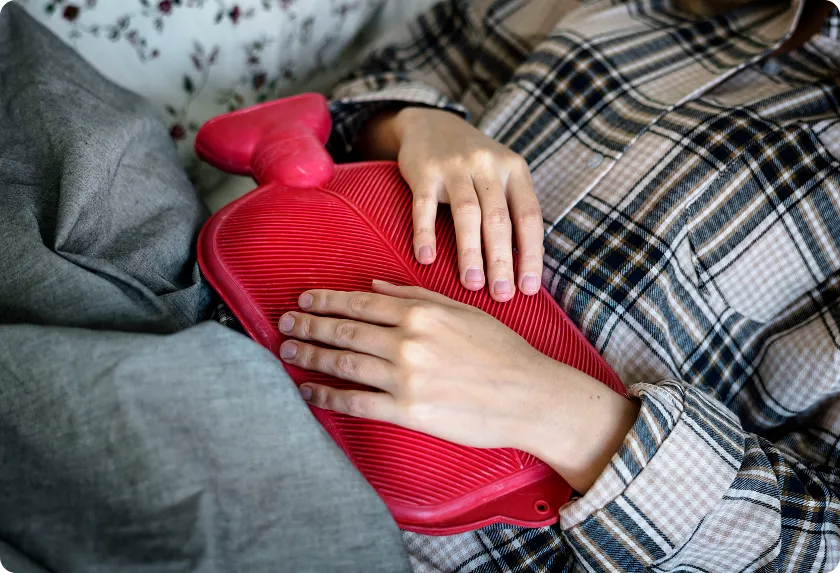
You know that uncomfortable feeling when you need a bowel movement, but nothing seems to happen. Your abdomen may feel tight, heavy, or crampy, and you may wonder whether a simple heating pad could help. A heating pad for constipation may provide temporary relief, particularly when abdominal cramps or muscle tension make you feel uncomfortable. A warm compress for constipation can also be a soothing option while you address the factors that may be contributing to the problem.
Heat isn’t a laxative, and it doesn’t soften hardened stool on its own. Its value is mainly supportive. This guide explains how heat may fit into constipation relief, when it makes sense to use it, how to use it safely, and which everyday measures matter more for getting your bowel movement back on track.
How Heat May Help With Constipation

If you’re considering a heating pad for constipation, it helps to understand what heat can and cannot realistically do. Constipation involves changes in bowel habits, such as hard or difficult-to-pass stools, fewer bowel movements, or a feeling that your bowels haven’t completely emptied.
Heat doesn’t directly soften stool or guarantee a bowel movement. Instead, warmth may make abdominal discomfort feel more manageable and can be especially appealing when cramping or tension is part of the experience. Think of it as a comfort measure that can accompany, rather than replace, the basics of constipation care.
Tip 1: Use gentle warmth for abdominal cramps
A heating pad for constipation can be placed over the abdomen when cramping or a tight sensation is bothering you. The goal is comfortable warmth, not intense heat. If the pad feels painfully hot, causes skin redness, or worsens the discomfort, remove it.
This is particularly useful when your main complaint is abdominal discomfort from constipation rather than severe or unexplained abdominal pain. A warm compress may help you relax while you wait for other measures to relieve constipation to take effect.
One important distinction is that feeling better doesn’t necessarily mean the underlying constipation has resolved. You can have less abdominal discomfort even if the stool is still difficult to pass. Keep paying attention to your bowel movements and other symptoms.
Tip 2: Think comfort, not a guaranteed bowel movement
One of the most common questions is, “Does a heating pad make you poop?” Not reliably. There isn’t good evidence that simply applying external heat directly causes a bowel movement in everyone with constipation.
So, if you use a heating pad for constipation, don’t judge its success solely by whether you suddenly need to use the toilet. A more realistic goal is temporary relief from cramping, tension, or general abdominal discomfort while you work on the underlying problem.
| Approach | Main purpose | What to expect |
|---|---|---|
| Heating pad | Comfort and warmth | May ease abdominal discomfort |
| Warm compress | Local soothing warmth | May feel relaxing during cramps |
| Fluids | Support normal stool consistency | Helpful when inadequate fluid intake contributes to constipation |
| Fiber-rich foods | Improve dietary fiber intake | Can support regular bowel movements |
| Physical activity | Encourage normal bowel function | May help prevent or relieve constipation |
Table 1. Common approaches to constipation and their practical role
The NHS and NIDDK both emphasise measures such as adequate fluid intake, dietary fibre, and physical activity as part of constipation prevention and treatment.
Practical Ways to Use Heat More Safely
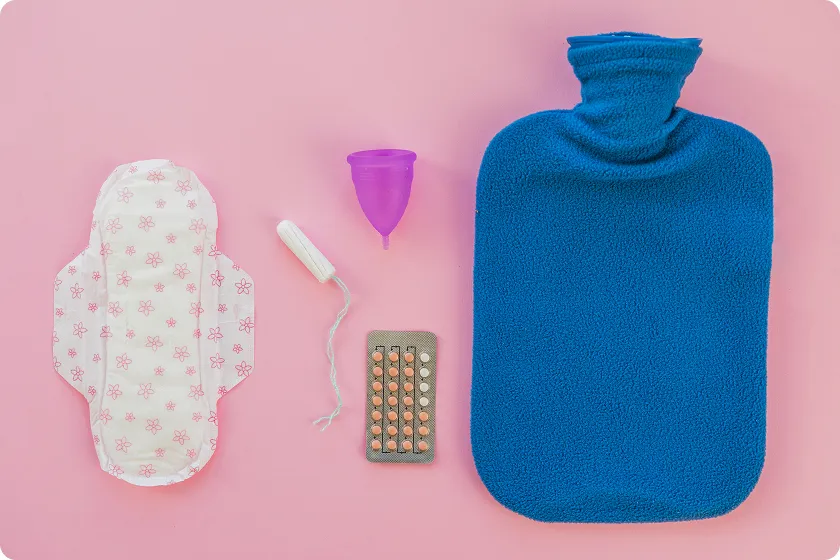
Knowing how to use a heating pad for constipation is just as important as knowing whether heat might help. Heat should be comfortable and controlled, rather than something you turn up as high as possible because stronger warmth feels more effective.
A useful question is, “What is the best way to use heat for constipation?” The answer is to use gentle warmth for comfort while continuing the measures that actually address constipation. If your symptoms are mild and familiar, a short period of comfortable warmth may fit easily into your routine.
Tip 3: Start with a comfortable temperature
Choose a low or moderate heat setting rather than the highest setting. Place a layer of clothing or fabric between your skin and the heating pad if needed, and check your skin periodically.
Don’t fall asleep with a heating pad against your abdomen. Prolonged direct heat can irritate or burn the skin even when it initially feels comfortable.
If you have reduced sensation in the area, be especially cautious because you may not notice excessive heat quickly. Follow the instructions supplied with your particular device rather than assuming every heating pad works the same way.
Tip 4: Give your body a short, comfortable heat session
When using a heating pad for constipation, a short session is generally preferable to keeping the heat on your abdomen for a prolonged period. Use the manufacturer’s recommended duration and stop if the warmth becomes uncomfortable.
You can use the time to relax rather than repeatedly checking whether you need to have a bowel movement. Stress and tension can make an already unpleasant bathroom experience feel worse.
Heat also doesn’t need to be limited to an electric pad. A warm compress or comfortably warm bath can provide a similar soothing experience without making the pad itself the focus of your constipation routine.
Tip 5: Pair heat with hydration
Heat alone is unlikely to solve constipation if you’re not getting enough fluid. Hydration for constipation matters because inadequate fluid intake can contribute to hard stools, although individual fluid needs vary.
Have a drink of water as part of your overall routine if you haven’t been drinking enough. Don’t force excessive amounts of fluid simply because you are constipated.
The NHS lists not drinking enough fluids as a common contributor to constipation, while the NIDDK also identifies dehydration as a possible factor.
Tip 6: Combine warmth with gentle movement
If you feel well enough, a short walk can be more beneficial for your overall constipation routine than spending the entire day resting with a heating pad.
You don’t need an intense workout. Walking around your home, taking a relaxed outdoor walk, or simply avoiding long periods of sitting may be a practical starting point.
The key is to treat warmth as one small part of a broader routine. NIDDK and NHS guidance both include physical activity as a measure that can help with constipation.
Tip 7: Support your diet with fibre-rich foods
Fibre-rich foods can play an important role in constipation care. Fruits, vegetables, whole grains, and other high-fibre foods can help increase dietary fibre intake, but suddenly adding a large amount may cause more bloating or discomfort.
Increase fibre gradually and drink adequate fluids. NIDDK specifically recommends adding fibre gradually so your body can adjust.
This is another reason not to expect a heating pad for constipation to do all the work. Warmth may help you feel more comfortable today, while dietary and lifestyle changes can support bowel regularity over time.
When Heat Isn’t Enough
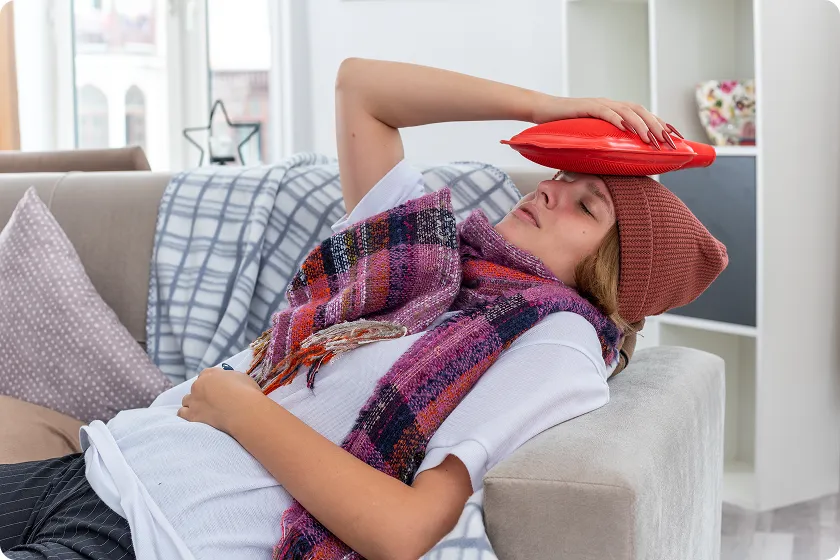
A heating pad for constipation is most useful as a comfort measure when symptoms are mild. It shouldn’t become a way to mask symptoms that are getting progressively worse, especially when abdominal pain doesn’t feel like your usual constipation.
Constipation can have many causes, including low fibre intake, inadequate fluid intake, low physical activity, changes in routine, certain medications, and certain medical conditions.
That means the right approach depends partly on what is causing your constipation. If constipation keeps returning, simply applying warmth each time may leave the underlying issue unaddressed.
When should you use a heating pad for constipation?
A heating pad for constipation may be reasonable when you’re experiencing mild abdominal cramps, pressure, or discomfort that you already associate with constipation. It can be used as a comfort measure while you work on hydration, food choices, movement, and regular bathroom habits.
It’s less appropriate to rely on heat when you have new, severe, persistent, or unexplained abdominal pain. The NIDDK advises seeking medical care promptly when constipation occurs with constant abdominal pain, inability to pass gas, vomiting, fever, rectal bleeding, blood in the stool, or unexplained weight loss.
The NHS similarly recommends seeking medical advice when constipation isn’t improving, occurs regularly, or is accompanied by blood in the stool, unexplained weight loss, persistent bloating, fatigue, sudden changes in bowel habits, or tummy pain.
How to recognise when the problem needs more than home care
Pay attention to the pattern rather than focusing on one symptom. A temporary change after travel or a dietary change can be different from constipation that keeps returning for weeks.
Also remember that abdominal discomfort from constipation shouldn’t automatically be assumed to be constipation. Abdominal pain can have many causes, and some conditions involving the digestive tract can produce constipation and cramping together.
If you are repeatedly using heat because it temporarily eases pain, but the constipation keeps returning, that’s a good reason to speak with a healthcare professional. The goal should be to understand why the bowel changes are happening, not simply make the symptoms easier to tolerate.
FAQ
These questions come up because heat sounds simple, but it doesn’t always cause constipation. Knowing what a heating pad for constipation can realistically do helps you use it as a comfort tool without expecting it to replace proper care for constipation.
1. How does a heating pad help with constipation?
A heating pad may provide soothing warmth that makes abdominal cramps and discomfort feel easier to tolerate. It doesn’t directly soften stool or guarantee a bowel movement.
2. Can heat help relieve constipation symptoms?
Heat may help relieve some discomfort associated with constipation, particularly cramping or abdominal tension. It should be viewed as supportive care alongside hydration, fibre, activity, and appropriate medical treatment.
3. Does a heating pad make you poop?
Not reliably. A heating pad for constipation isn’t a proven laxative. Its main potential benefit is comfort, while bowel regularity depends on factors such as diet, fluids, activity, medications, and the underlying cause.
4. What is the best way to use heat for constipation?
Use comfortable, gentle warmth according to the heating pad’s instructions. Avoid excessive heat or prolonged direct contact, and stop if your skin becomes painful or irritated.
Conclusion
A heating pad for constipation can be a simple way to make abdominal cramps and discomfort feel more manageable, but it shouldn’t be treated as a cure. Warmth may provide temporary comfort, while relief from constipation usually depends on addressing factors such as hydration, fibre intake, physical activity, medications, and bowel habits.
If you use a heating pad, keep the temperature comfortable and use it as one part of a broader approach. The biggest takeaway is that feeling more comfortable and actually resolving constipation are two different goals.
If constipation keeps returning or you develop severe or persistent symptoms, don’t rely on heat alone. Speak with a healthcare professional when appropriate and share this guide with someone who could benefit from practical tips for managing constipation.
Internal Links
- 14-Day Energy Boost Challenge: 7 Proven Daily Habits
- Chronic Illness Productivity: 6 Essential Lessons Learned
- Fatigue vs Exhaustion: 10 Essential Signs You Should Know