
Diet Plan for a Sports Person: 8 Essential Protein Sources for Athletes
Diet plan for a sports person with protein for athletes, smart carbs, and pre workout food for weight loss. Boost performance today!
By Healthy Eats Guide Team
Published
Updated
9 min read

Introduction
A proper diet plan for a sports person is just as important as training itself. Whether you are a runner, boxer, football player, swimmer, or gym athlete, your body needs the right fuel to perform, recover, and grow stronger. Many athletes focus only on workouts while ignoring nutrition, but food directly impacts stamina, muscle repair, energy levels, and recovery speed.
Protein is especially important because it helps repair damaged muscle tissues after intense exercise. Along with protein, athletes also need healthy carbohydrates, vitamins, minerals, and hydration for balanced performance. Choosing the right protein for athletes can improve endurance, support lean muscle growth, and reduce fatigue.
This guide explains the best protein-rich foods, smart carbohydrate choices, effective pre-workout meals, and practical nutrition tips for athletes of all levels. You will also learn key facts about calories, digestion, iron intake, and muscle-building nutrition strategies.
Why Athletes Need a Structured Diet Plan

Athletes burn more energy than the average person. Without a structured eating routine, the body may struggle to recover properly. A balanced sports nutrition plan helps with:
- Muscle recovery
- Improved endurance
- Better concentration
- Healthy weight management
- Reduced injury risk
- Consistent athletic performance
| Nutrient | Main Function | Best Sources |
|---|---|---|
| Protein | Muscle repair and growth | Chicken, eggs, fish, yogurt |
| Carbohydrates | Energy production | Oats, rice, bananas |
| Healthy Fats | Hormone support | Nuts, seeds, avocado |
| Vitamins & Minerals | Recovery and immunity | Fruits and vegetables |
8 Essential Protein Sources for Athletes

1. Chicken Breast
Chicken breast is one of the best lean protein choices for athletes.
Benefits:
- High protein content
- Low fat
- Supports muscle recovery
Many people ask, " How much iron is in a chicken breast?
A 100-gram serving contains around 0.7 mg of iron, which helps oxygen move through the body during exercise.
Another common question is: how many calories are in 3 ounces of chicken?
Three ounces of cooked chicken breast contain approximately 128 calories and about 26 grams of protein.
2. Eggs
Eggs contain all nine essential amino acids.
Why athletes love eggs:
- Easy to digest
- Rich in vitamin B12
- Affordable protein source
A post-workout omelet with vegetables is excellent for recovery.
3. Greek Yogurt
Greek Yogurt provides protein and probiotics.
Key advantages:
- Supports digestion
- Helps muscle repair
- Great snack option
Add berries and oats for an extra energy boost.
4. Fish
Salmon and tuna are rich in protein and omega-3 fats.
Benefits:
- Reduces inflammation
- Supports heart health
- Improves recovery
Fish is especially helpful for endurance athletes.
5. Lean Beef Steak
Steak contains protein, zinc, iron, and creatine.
Athletes often wonder: how many calories are in 6 ounces of steak?
A 6-ounce cooked lean steak contains about 340–400 calories, depending on the cut.
Another important question is: how long does it take to digest steak?
Steak usually takes 4–6 hours to digest because it is rich in protein and fat.
For this reason, avoid eating heavy steak meals immediately before training.
6. Cottage Cheese
Cottage cheese contains casein, a slowly digestible protein.
Ideal for:
- Night-time recovery
- Muscle maintenance
- Long-lasting fullness
7. Lentils and Beans
Plant-based athletes can get quality protein from legumes.
Benefits:
- High fiber
- Rich in carbohydrates
- Supports energy production
Beans are also among the best foods high in carbs and low in calories.
8. Protein Smoothies
Protein shakes are convenient for busy athletes.
Add ingredients like:
- Banana
- Peanut butter
- Oats
- Greek Yogurt
- Whey protein
A smoothie after exercise helps replenish glycogen stores quickly.
Best Pre-Workout Food for Weight Loss
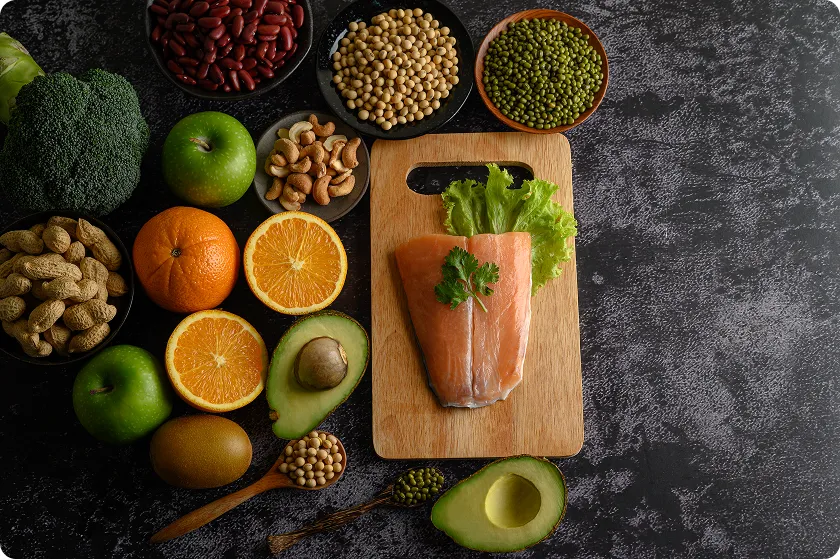
Choosing the right pre-workout food for weight loss can improve fat burning while keeping energy levels stable.
Ideal Pre-Workout Foods
Bananas
Bananas provide quick carbohydrates for energy. People often ask about:
- small banana carbs — around 23 grams
- Half a banana nutrition — about 50 calories and 13 grams of carbs
Bananas are excellent before cardio or sports practice.
Oatmeal
Oats release energy slowly and help maintain endurance.
Benefits:
- Keeps you full longer
- Prevents energy crashes
- Supports digestion
Apple with Peanut Butter
This snack combines carbohydrates with healthy fats. It provides:
- Steady energy
- Better appetite control
- Improved workout performance
Greek Yogurt with Fruit
A balanced combination of protein and carbohydrates.
Best eaten:
- 30–60 minutes before exercise
Foods High in Carbs and Low in Calories
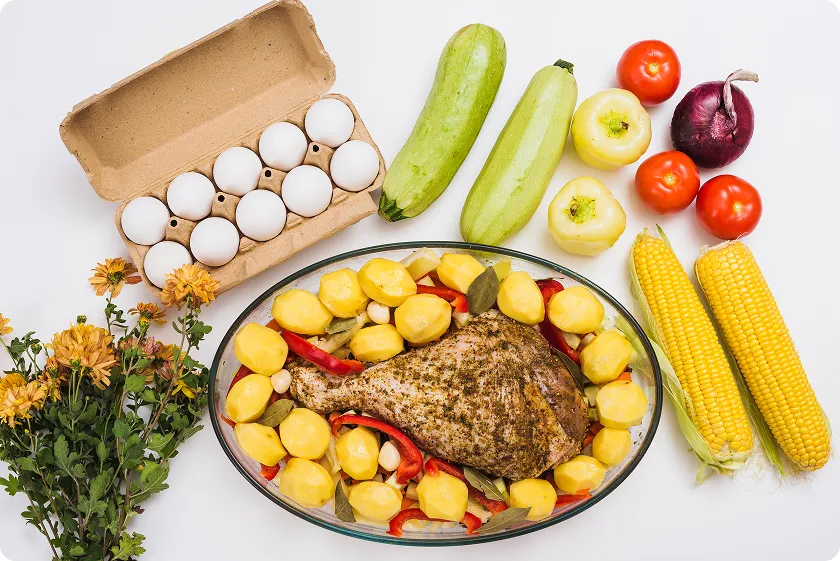
Athletes need carbohydrates for energy, but making smart choices is crucial.
Healthy Carb Sources
| Food | Calories | Carbohydrates |
|---|---|---|
| Sweet Potato | Low | High |
| Oatmeal | Moderate | High |
| Brown Rice | Moderate | High |
| Bananas | Low | Moderate |
| Apples | Low | Moderate |
| Broccoli | Very Low | Low to Moderate |
High Carbohydrate Snacks for Athletes
Healthy high-carbohydrate snacks include:
- Rice cakes
- Fruit smoothies
- Granola bars
- Whole-grain toast
- Air-popped popcorn
- Dried fruits
These snacks are ideal before long training sessions.
Muscle Building Diet Schedule for Sports People
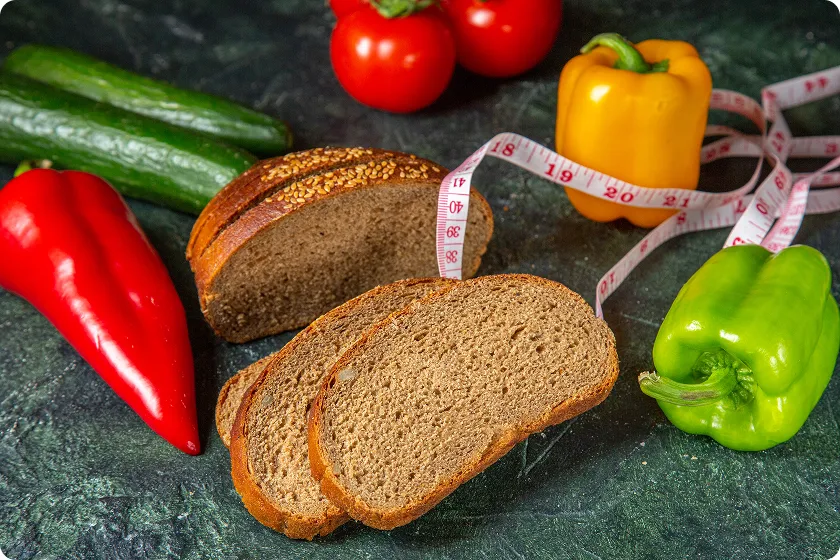
A well-planned muscle-building diet schedule supports recovery and performance throughout the day.
Sample Daily Meal Plan
Breakfast:
- Oatmeal with banana
- Eggs
- Milk
Mid-Morning Snack:
- Greek Yogurt
- Nuts
Lunch:
- Grilled chicken
- Brown rice
- Vegetables
Pre-Workout Snack:
- Banana with peanut butter
Post-Workout Meal:
- Protein smoothie
- Sweet potato
Dinner:
- Fish or lean beef
- Salad
- Quinoa
Before Bed:
- Cottage cheese
Important Nutrition Facts Athletes Should Know
Hydration Matters
Even mild dehydration can reduce performance.
Athletes should:
- Drink water consistently
- Replace electrolytes after heavy sweating
- Avoid sugary energy drinks
Protein Timing Helps Recovery
Protein intake after workouts supports muscle repair.
Aim to consume:
- 20–30 grams of protein
- Within 30–60 minutes after exercise
Carbohydrates Fuel Performance
Carbohydrates are not the enemy.
They:
- Refill glycogen stores
- Improve endurance
- Delay fatigue
Athletes involved in intense sports require more carbohydrates than inactive individuals.
Can Boxing Build Muscle?

Yes, the question of whether boxing builds muscle. It is a common one, and the answer is absolutely yes.
Boxing helps build:
- Lean muscle mass
- Core strength
- Shoulder endurance
- Leg power
However, muscle growth depends heavily on nutrition and resistance training.
To build muscle with boxing:
- Eat enough protein
- Follow a calorie-controlled meal plan
- Include strength training
- Prioritize recovery sleep
Boxing alone improves conditioning, but combining it with a proper diet plan for a sports person produces the best results.
FAQ
1. What is the best protein for athletes?
The best protein sources include chicken breast, eggs, fish, Greek Yogurt, lean beef, and lentils. A combination of animal and plant proteins works best.
2. What should athletes eat before workouts?
Good pre-workout foods include bananas, oatmeal, Yogurt, and whole grains because they provide energy without feeling too heavy.
3. Are carbs important for athletes?
Yes, Carbohydrates are the body's main fuel source during exercise and other physical activity.
4. How much protein do athletes need daily?
Most athletes need 1.2–2.0 grams of protein per kilogram of body weight per day, depending on training intensity.
5. Is steak good for muscle growth?
Yes, Steak contains protein, iron, zinc, and creatine that support muscle growth and recovery.
Conclusion
Creating the right diet plan for a sports person does not require complicated rules or expensive supplements. The key is balancing quality protein, healthy carbohydrates, hydration, and recovery-focused meals. Choosing the right protein for athletes helps repair muscles, improve endurance, and maintain consistent performance.
Athletes should focus on nutrient-dense foods like chicken, eggs, fish, beans, fruits, vegetables, and whole grains while avoiding excessive processed foods. Smart meal timing and healthy snacks can also significantly improve training results.
Internal Links
- Ground Beef Nutrition 85/15: Calories, Protein, Fat, and Full Breakdown
- Foods That Cause Gout Flare-Ups: 10 Essential Diet Tips
- What to Eat When You Have No Appetite: 7 Proven Tips
External Links
- 8 of the Best Diet Plans and Programs for Athletes
- Diet Plan for a Sports Person: Your Complete Guide to Performance Nutrition
- Nutrition for Athletes: What to Eat Before a Competition
References
- Tips for accelerating muscle gain – Laboratoires Stimium. https://www.stimium.com/en/blogs/news/conseils-pour-accelerer-la-prise-de-muscle
- Top 10 Muscle Gain Meals for Beginner Athletes (Build Muscle Faster). https://www.protyze.com/blogs/healthy-lifestyle/top-10-muscle-gain-meals-for-beginner-athletes-build-muscle-faster
- How Many Calories Are In A Single Chicken Nugget? - dakchicken. https://dakchicken.com/how-many-calories-are-in-a-single-chicken-nugget/
- The Necessity of a Protein-Rich Diet for Your Kids. https://www.kellyschoice.org/post/the-necessity-of-a-protein-rich-diet-for-your-kids
- Broccoli and Cheese: Unraveling the Carbohydrate Mystery - CookingPro. https://cookingpro.net/how-many-carbs-are-in-broccoli-and-cheese/
- Do Most People Get Enough Protein? | Whatworks. http://whatworks.org/do-most-people-get-enough-protein/
About the author
Healthy Eats Guide Team
Editorial Team
The Healthy Eats Guide editorial team researches and writes practical health and wellness content focused on clarity, sourcing, and everyday usefulness.
Related blogs
Heart Failure Diet: 10 Essential Foods for Better Heart Health
Heart failure diet: Discover 10 essential foods and a heart healthy meal plan to support circulation, reduce strain, and protect your heart. Start today.
15 min read

Best Diet for Arthritis: 7 Essential Foods for Joint Health
Best diet for arthritis: foods for joint health and foods that help arthritis. Improve mobility and reduce pain. Start reading today.
8 min read
Anti-Inflammatory Snacks: 10 Proven Fruits for Inflammation
Anti-inflammatory snacks with fruits for inflammation and foods that are anti inflammatory. Discover a low inflammatory breakfast guide and boost health now.
11 min read
Newsletter
Get practical health guides in your inbox
Occasional updates with clear nutrition, habits, and wellness reading — no spam, unsubscribe anytime.