
10 Effective Digital Detox Benefits to Improve Your Mental Health
Discover the 10 powerful digital detox benefits to boost your mental health, reduce stress, and improve focus. Start your phone detox today for a clearer mind!
By Healthy Eats Guide Team
Published
Updated
12 min read

Introduction
If you find yourself compulsively refreshing feeds or feeling anxious whenever your phone buzzes, you’re not alone. Many of us reach for our devices out of habit rather than necessity, yet constant connectivity can leave us feeling scattered, stressed, and overwhelmed. This post explores digital detox benefits for your mental health and guides you through a focused phone detox or tech detox that doesn’t feel like punishment.
You’ll learn why taking breaks matters, how to do a digital detox phone without missing out, and what to expect during your journey. Along the way, we’ll share simple strategies to replace scrolling with activities that keep you off your phone. By the end, you’ll understand how disconnecting periodically can enhance your well-being and how this cluster post ties into our pillar article on comprehensive digital detox strategies.
Why Digital Detox Benefits Matter for Mental Health
Pausing your digital consumption is about more than avoiding annoying notifications. It’s an intentional practice that can reduce stress, improve mood, and help you reconnect with people and activities that matter. This section explains why digital detoxes matter by examining mental health, physical well-being, and the holistic improvements that result from giving your brain a break from constant stimulation. Understanding these reasons makes it easier to commit to your own screen detox or mental routine.

Mental Health in the Digital Age
Constant connectivity can exacerbate anxiety and depression by bombarding us with information and social comparison. When every spare moment is spent scrolling, our brains never fully rest, leading to persistent stress. Even short breaks—like turning off social apps for a week—can significantly reduce negative emotions and help you regain control. A regular tech detox creates space for mindfulness, creativity, and emotional resilience.
The Unintended Costs of Constant Connection
Heavy device use isn’t just an emotional burden; it also takes a physical toll. Prolonged screen time causes eyestrain, headaches, poor posture, and disrupted sleep. Endless notifications also fuel fear of missing out, making it harder to relax. Over time, this cycle leads to burnout and a constant sense of urgency. Limiting digital exposure with an electronics-friendly addiction detox helps your body and mind recover and opens room for meaningful in‑person interactions.
Ten Research‑Backed Benefits
There are several advantages to taking a break from screens that can improve your mood every day. Below is a concise summary of 10 key digital detox benefits, along with simple ways to incorporate them into your life.
- Lower anxiety and depression: Short social media breaks can significantly reduce anxious and depressive feelings. Try this: schedule a daily hour away from devices and enjoy being fully present.
- Better sleep: Removing screens before bed improves both the quality and duration of sleep. Instead of looking through your phone, try charging it outside of your bedroom and reading or stretching.
- Enhanced focus and attention: Limiting screen time sharpens your attention span and deepens concentration. Try this: work in 25‑minute blocks followed by five‑minute breaks without your phone.
- Strengthened relationships: Logging off frees up time for meaningful conversations and connection. Try this: host device‑free dinners or walks with family and friends.
- Reduced eyestrain and physical complaints: Less screen time eases eyestrain, headaches, and neck pain. Try this: follow the 20‑20‑20 rule—every twenty minutes, look twenty feet away for twenty seconds—and stretch regularly.
- Greater productivity: Cutting screen time eliminates distractions and boosts efficiency. Try this: set timers to cap social media use and reclaim those hours for focused work or hobbies.
- Improved self‑esteem and reduced FOMO: Minimizing social media intake lowers comparison and fear of missing out. Try this: curate your feed and commit to a monthly social media cleanse.
- Better self‑regulation: Conscious breaks increase awareness of your habits and strengthen self‑control. Try this: track your screen time for a week and set realistic daily limits.
- Rediscovered hobbies and creativity: Freeing yourself from devices opens time for hobbies and creative pursuits. Try this: replace scrolling with drawing, cooking, music, or nature walks.
- Balanced life satisfaction: Limiting screen time enhances overall happiness and fulfillment. Try this: pair your phone detox with exercise, meditation, or a digital detox retreat to cultivate holistic wellness.
These ten improvements show that your mental, physical, and relational health all benefit when you take control of your digital habits. Making minor adjustments yields meaningful gains in everyday life.
Actionable Strategies to Start Your Phone Detox
Understanding the benefits is only half the journey; the other half is putting them into practice. The following strategies help you create a sustainable detox routine. Each step addresses common concerns, such as how to do a digital detox, take a break from social media, and get off your phone. Start small, adjust based on your schedule, and remember that consistent effort beats drastic changes.

Set Clear Goals and Boundaries
Begin by defining why you want a digital detox and what success looks like for you. Maybe you want more quality time with family, or perhaps you’re seeking to reduce stress. Decide which apps or behaviours to limit; consider deleting non‑essential apps or muting notifications. Establish rules around when you will and won’t use your phone, such as no devices during meals or after 9 p.m. Clear goals and boundaries make it easier to stick to your plan.
Pick a Realistic Timeframe
A successful tech detox starts with a realistic timeline. Choose a duration that fits your lifestyle—anything from a weekend to a 30‑day challenge. Short periods (one or two days) let you experience the benefits quickly, while longer challenges build lasting habits. It’s often best to start with a weekend and gradually extend your detox. Remember to adjust your goals if you rely on your phone for work or emergencies.
Build a Support Network
Inform your loved ones, coworkers, and friends about your digital detox. Explain why you’re doing it and how long you plan to stay offline for personal use. Inviting others to join you makes the experience more fun and reduces the pressure to respond immediately. Having accountability partners also helps you stay on track and makes it easier to avoid temptation when boredom strikes.
Plan Alternative Activities and Break Mental Blocks
Prepare a list of things to do instead of being on your phone so you’re not left wondering how to fill your time. Exercise, reading, cooking, crafting, or learning a new language are great options. If you’re feeling stuck and wondering how to break a mental block, a digital detox paired with creative tasks can reset your mind. By engaging in offline pursuits, you reduce cravings to check your device and rediscover hobbies that inspire you.
Supporting Tools, Resources, and Habits for a Tech Detox
Effective detoxes often rely on a mix of tools and supportive habits. The right resources make it easier to stick to your boundaries and reinforce your commitment. Here are simple solutions to keep you on track, from apps to physical devices and community resources.
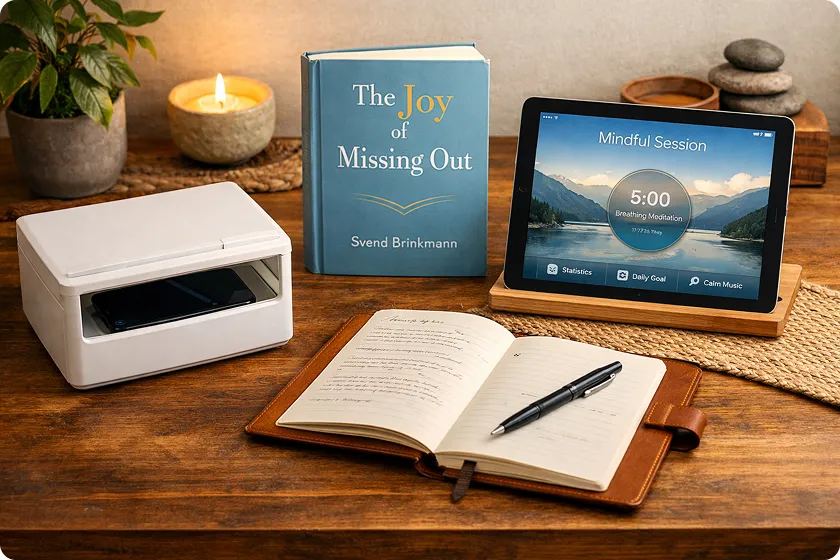
Use Screen‑Time Apps and Trackers
Apps like Screen Time (iOS), Digital Wellbeing (Android), Forest, and Freedom monitor how much time you spend on different apps. They let you set daily limits and even block distracting sites during work hours. Seeing your usage data helps you identify problem areas and encourages more mindful habits. These tools support your screen detox by turning awareness into action.
Try Electronic Friendly Addiction Detox Tools
Physical devices can make it easier to disconnect. Lockdoll and Stolp are boxes that lock your phone for a set period, preventing impulsive checks. Switching to a basic flip phone for certain hours or days also forces you to use your device only for calls and essential texts. These tools create physical barriers that reinforce your commitment to an electronic-friendly addiction detox.
Embrace Analog Alternatives and Mindfulness
One of the best ways to stay off your phone is to replace it with engaging offline activities. Keep a book, journal, or puzzle on hand instead of your device. Schedule daily meditation or breathing exercises to lower stress and improve self‑control. Mindful practices help you notice cravings and respond rather than react, turning your detox mental routine into a long‑term habit.
Join a Digital Detox Retreat or Support Group
Participating in a structured retreat or online support group provides a community of people with similar goals. Retreats often pair phone‑free time with yoga, hiking, or creative workshops. Support groups host challenges and share tips, making it easier to stay committed. Connecting with others who understand the struggles of constant connectivity offers accountability and motivation.
| Tool or habit | Purpose | How it supports your detox |
|---|---|---|
| Screen‑time apps | Monitor and limit usage | Track how much time you spend on apps and set daily limits. |
| Physical lockboxes | Create physical barriers | Use devices like Lockdoll or Stolp to store your phone and avoid temptation. |
| Analog alternatives | Replace screen time | Books, puzzles and board games encourage offline relaxation and connection. |
| Mindfulness practices | Reduce stress & improve control | Breathing exercises and meditation help you manage cravings and develop focus. |
| Accountability groups & retreats | Provide community support | Join challenges or retreats to stay motivated and learn from others’ experiences. |
FAQ
1. How to do a digital detox phone?
Embarking on a digital detox phone starts with choosing what to detox from: social media, games, or even all non‑essential apps. Disable push notifications for these apps and set specific times when your phone is off‑limits—especially during meals and before bed. Keep your phone in another room or place it in a lockbox when you’re focusing or relaxing. Use screen‑time trackers to gauge progress and adjust limits. Remember to communicate your plan with friends and family so they know why you’re not responding right away. Over time, you’ll find yourself reaching for your device less and enjoying your newfound freedom.
2. How to take a break from social media without missing out?
Selecting which platforms to withdraw from and for how long should be your first move. To make the apps less accessible, remove them from your phone or log out. Tell close friends you’re on a break and ask them to call or text you if something important happens. Use this time to focus on hobbies, face‑to‑face conversations, and in‑person events. You can better grasp the impact social media plays in your life by keeping a journal about your feelings during the break. Many people find they don’t miss the constant updates as much as they expected. When you return, set boundaries such as limiting daily usage and unfollowing accounts that don’t add value.
3. What are things to do instead of being on your phone?
There are countless fulfilling activities you can enjoy without a screen. Try cooking a new recipe, taking a brisk walk, attending a fitness class, or visiting a local museum. Pick up a book or join a book club. Build something with your hands—gardening, knitting, woodworking, or painting. Play board games or have deep chats with loved ones. To keep your ideas and objectives organized, start a journal. A feeling of camaraderie and purpose can also be obtained by volunteering for a cause that is important to you. When you replace passive scrolling with active engagement, you create richer experiences and memories.
4. Is a tech detox safe, and how long should it last?
A tech detox is safe for most people and can improve mental and physical health. The key is to tailor it to your needs: complete disconnection isn’t always realistic if you rely on your device for work, health monitoring, or emergency communication. Start with a short period, such as a weekend or a one‑week challenge, and use that time to observe how you feel. If you notice benefits like better sleep, increased focus, and happier moods, gradually incorporate tech‑free blocks into your daily routine. The goal isn’t to eliminate technology but to use it intentionally and avoid mindless scrolling.
Conclusion
Taking control of your tech use is about reclaiming your time, attention, and peace of mind—not about abandoning technology altogether. By embracing these digital detox benefits, you can enjoy better sleep, sharper focus, stronger relationships, physical relief, and greater productivity. You’ll also find that your self‑esteem, self‑regulation, creativity, and overall life satisfaction improve when you intentionally step away from screens. Remember, a phone detox or tech detox doesn’t have to be extreme.
Small, consistent changes—like scheduling device‑free hours, planning alternative activities, and using supportive tools—create lasting habits. Ready to start your own social media cleanse? Pick one tactic from this article and put it into practice this week. After that, read our pillar article for more detailed instructions, then share your progress with our community. Your happiness and mental well-being are worthwhile.
Internal Links:
- What is a Digital Detox: Why Your Mind Needs a Break
- 5 Key Traits of a Narcissistic Man in Relationships
- Signs You’re Depressed: 9 Effective Questions to Help Self-Identify
External Links:
About the author
Healthy Eats Guide Team
Editorial Team
The Healthy Eats Guide editorial team researches and writes practical health and wellness content focused on clarity, sourcing, and everyday usefulness.
Related blogs

Migraine Stigma: 6 Ways to Overcome the Guilt
Migraine stigma can fuel chronic migraine guilt. Learn six practical ways to protect your quality of life, communicate needs, and feel empowered. Read now.
10 min read

LGBTQIA+ Anxiety: 6 Essential Coping Strategies
LGBTQIA+ anxiety can improve with coping strategies, minority stress insights, and LGBTQ+ affirming therapy tips. Learn practical steps for better mental health today.
9 min read

8 Effective Ways to Help Your Depressed Partner Feel Better
Learn how to help your wife with depression with practical tips on supporting a depressed spouse. Discover effective ways to improve her well-being today.
9 min read
Newsletter
Get practical health guides in your inbox
Occasional updates with clear nutrition, habits, and wellness reading — no spam, unsubscribe anytime.