
Pictures of Poison Ivy: 7 Essential Poison Ivy Rash Pics
Pictures of poison ivy guide you to identify rash stages and avoid irritation. Learn from poison ivy rash pics and protect your skin today!
By Healthy Eats Guide Team
Published
Updated
6 min read
Introduction
If you've ever walked through a wooded area or touched a leafy vine only to end up with an itchy, red rash, you know how irritating poison ivy can be. In this article, we'll explore pictures of poison ivy to help you recognize it quickly, identify rash stages, and prevent accidental contact. We'll also compare it with similar plants, such as poison oak and sumac. By the end, you'll have a visual guide and actionable tips for managing exposure to poison ivy.
Why Recognizing Poison Ivy Matters
Understanding what poison ivy looks like is crucial for avoiding allergic reactions. Poison ivy contains urushiol, an oil that causes skin irritation, blisters, and redness. Early identification can save days of discomfort.
Common Risks:
- Hiking or gardening in wooded areas
- Accidental contact with contaminated clothing or tools
Visual Identification:
- Leaves grow in clusters of three
- Leaf edges can be smooth or slightly toothed
- Colors range from green to red in spring and fall
Expert Tip: Dermatologists recommend learning the subtle differences between poison ivy, oak, and sumac to avoid misidentification.
Core Strategy: 7 Essential Poison Ivy Rash Pics

Here are seven critical stages of a rash to help you identify poison ivy exposure.
1. Initial Redness
The first sign of contact is mild redness and itching. This stage appears within 24–48 hours.
Visual cue: Subtle pink or red patches along the contact area.
2. Small Blisters
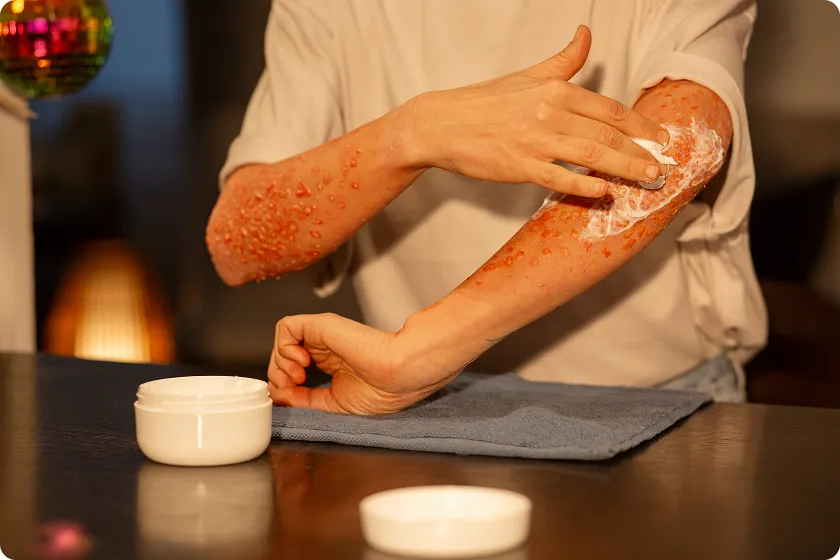
Blisters appear on the red patches, sometimes forming in linear streaks, reflecting how urushiol spreads on the skin.
Tip: Avoid scratching to prevent infection.
3. Blister Clusters
Blisters often merge, forming clusters. The skin may feel tight or swollen.
4. Weeping Blisters
As the rash progresses, blisters may ooze clear fluid. This stage can be highly itchy and uncomfortable.
Prevention: Use cold compresses and over-the-counter topical treatments.
5. Crusting
Blisters begin to dry and form crusts. The rash may still itch, but it signals the beginning of the healing process.
6. Dark Red Patches
Some areas may appear darker red or purple due to inflammation. This stage often occurs in sensitive areas of the skin.
Comparison Tip: Differentiate from poison oak rash by leaf pattern; oak leaves are usually lobed, not smooth.
7. Healing Stage
Finally, the rash fades, leaving slightly discolored skin that returns to normal over several days to weeks.
Poison Ivy Rash Stages
| Stage | Visual Sign | Recommended Action |
|---|---|---|
| 1 | Mild redness | Wash the skin immediately |
| 2 | Small blisters | Avoid scratching |
| 3 | Blister clusters | Use topical antihistamines |
| 4 | Weeping blisters | Apply a cold compress |
| 5 | Crusting | Keep the area clean |
| 6 | Dark red patches | Monitor for signs of infection |
| 7 | Healing skin | Moisturize the affected area |
Identifying Poison Ivy Plants
Leaf Patterns
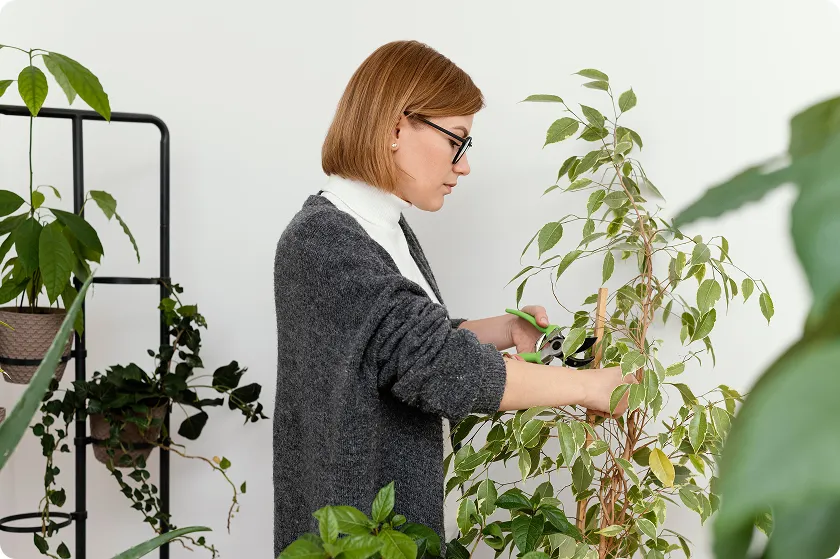
- Three-leaf clusters are a hallmark.
- Leaf edges vary from smooth to slightly jagged.
- Young leaves may appear shiny, and older leaves dull.
Seasonal Color Changes
- Spring: Bright green
- Summer: Dark green
- Fall: Red, yellow, or orange
Differentiating from Poison Oak and Sumac
| Plant | Leaf Shape | Color | Key Feature |
|---|---|---|---|
| Poison Ivy | 3 leaflets | Green or red | Smooth edges; often grows as a vine |
| Poison Oak | 3 leaflets | Green or brown | Lobed edges resembling oak leaves |
| Poison Sumac | 7–13 leaflets | Bright green or red | Grows as a small tree or shrub, not a vine |
Supportive Habits & Tools

Protective Clothing
Wear long sleeves, gloves, and boots when in wooded or grassy areas. Prevents direct contact with urushiol oil.
Immediate Cleaning
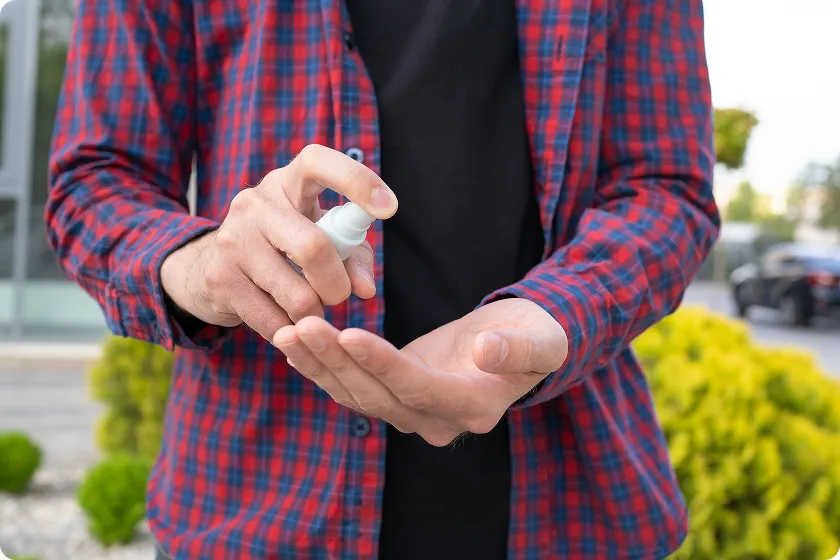
Wash skin and clothing with soap and water after suspected exposure. Prompt cleaning can reduce rash severity.
Topical Treatments
- Over-the-counter hydrocortisone creams
- Calamine lotion for itching
- Antihistamines for allergic reactions
Medical Attention
Seek care if:
- Rash covers large areas
- Signs of infection appear
- Rash occurs on sensitive areas (face, genitals)
FAQ
1. What does a poison ivy rash look like?
It begins as redness, develops blisters in streaks, may ooze fluid, and eventually crusts and heals.
2. How to differentiate poison ivy vs poison oak rash?
Ivy has smooth-edged three-leaf clusters, while oak is lobed; both cause red, itchy streaks.
3. What does poison ivy look like in early spring?
Bright green leaves with shiny surfaces; look for three-leaf clusters.
4. Can pictures of poison sumac help with identification?
Yes, Sumac grows as a small tree with 7–13 leaflets, unlike ivy, which grows as a vine.
5. Are pics of poison ivy rash stages important?
Yes, knowing stages helps early treatment and prevents infection.
Conclusion
Recognizing poison ivy and understanding its rash pics is vital for prevention and quick treatment. From initial redness to the healing stage, knowing what to expect reduces discomfort. Use protective clothing, wash immediately, and provide topical care. Comparing with poison oak and sumac further improves identification accuracy.
Internal Links
- Can Constipation Cause Fever? 7 Essential Causes of Fever with Constipation
- 7 Proven Mullein Tea Benefits for Lung Health
- Sinus Infection: 7 Proven Ways to Relieve Jaw Pain and Dizziness
External Links
- What Poison Ivy, Oak, and Sumac Rashes Look Like in Pictures — and How to Treat Them
- Everything You Need to Know About Poison Ivy
- Poison Ivy and Other Plants: What You Should Know
Reference
- How to Identify Poison Ivy in Your Backyard: Safety Tips - Flowers & Plants. https://www.flowers-plants.com/outdoor-plants/how-to-identify-poison-ivy-in-your-backyard-safety-tips/
- Poison Ivy and Poison Oak: A Comprehensive Guide to Identification, Prevention, and Treatment | Southwest Explorers. https://southwestexplorers.com/poison-ivy-and-poison-oak-a-comprehensive-guide-to-identification-prevention-and-treatment/
- Cleaning Solvents – Urethane Coatings. https://urethanecoatings.com.au/product\_range/cleaning\_solvents/
About the author
Healthy Eats Guide Team
Editorial Team
The Healthy Eats Guide editorial team researches and writes practical health and wellness content focused on clarity, sourcing, and everyday usefulness.
Related blogs

Chronic Migraine Treatment: 6 Essential Options Explained
Chronic migraine treatment options, including CGRP inhibitors and Botox, can reduce attack frequency. Explore six proven approaches and take control today.
10 min read

Mounjaro Fatigue: 5 Essential Facts to Know
Mounjaro fatigue can drain your day. Learn key tirzepatide side effects, causes of tiredness, and practical ways to restore energy. Read the guide.
8 min read

Exdensur for Asthma: 7 Essential Facts to Know
Exdensur for asthma: Learn Depemokimab uses, eosinophilic asthma treatment benefits, side effects, and dosage schedule. Read the facts today.
9 min read
Newsletter
Get practical health guides in your inbox
Occasional updates with clear nutrition, habits, and wellness reading — no spam, unsubscribe anytime.