

Table of contents

Introduction
Understanding blood pressure readings matters because numbers like 136/86 can look harmless even though high blood pressure is often silent. If you have ever typed “blood pressure numbers mean what” or “what does the blood pressure numbers mean” after a quick check, you are not alone. A reading only helps if you know what it is measuring and when it needs a second look.
This guide explains what the two numbers show, the difference between hypertension and hypotension, and how to get a home result you can trust. You will also see why normal blood pressure in athletes still needs context, why readings can differ between arms, and how to work out average blood pressure without making it complicated.
What Your Reading Is Really Showing
A blood pressure reading is a snapshot of blood flow and pressure at the moment the cuff inflates. Once you understand the top number, the bottom number, and where the reading is taken, understanding blood pressure readings becomes much easier.
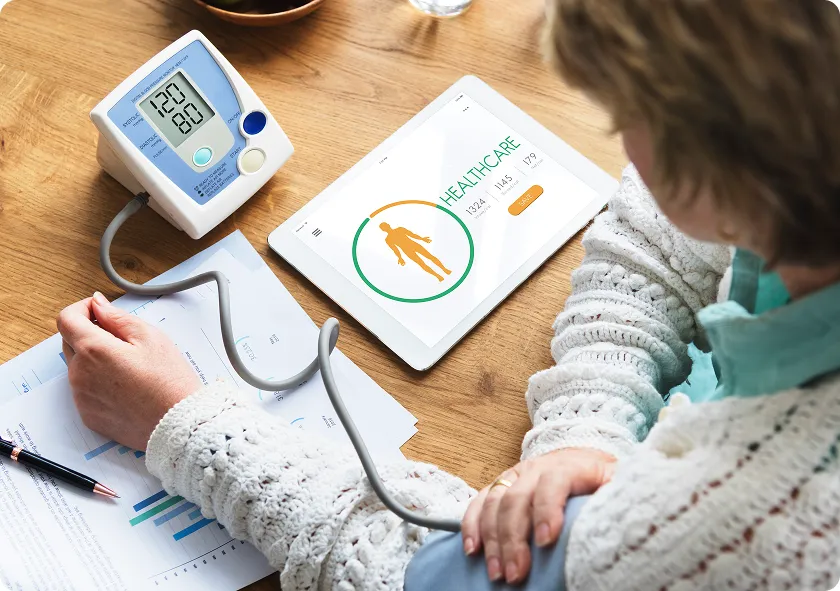
The top number is systolic pressure. In simple terms, systolic blood pressure reflects the force in your arteries when the heart contracts and pushes blood forward. This number often gets more attention in older adults because isolated systolic hypertension becomes more common with age.
The bottom number is the diastolic pressure. It shows the pressure when the heart relaxes between beats. A reading is judged as a pair, not as one “good” number and one ignored number.
Most home monitors estimate brachial artery blood pressure from the upper arm. That is why a validated upper-arm cuff is usually preferred over wrist or finger devices. If the cuff is the wrong size, the reading can be misleading.
| Part | Meaning | Why it matters |
|---|---|---|
| Systolic | Heart beats | Peak force |
| Diastolic | Heart rests | Baseline force |
| Upper arm | Brachial site | Best standard |
6 Essential Facts That Make the Numbers Easier to Use
Knowing what the numbers are called is only the first step. The bigger skill is using them in real life, when stress, sleep, posture, and timing all affect the result. These six facts make understanding blood pressure readings more practical.

1. The top number often guides risk more quickly.
Systolic pressure is often the clearest clue that blood pressure is drifting too high, especially as people get older. That is one reason clinicians pay close attention to the top number rather than treating it as just half of the reading.
2. The bottom number still matters.
Diastolic pressure reflects what is happening between heartbeats. If one number is high and the other looks normal, the reading still deserves context rather than a quick dismissal.
3. One reading is a clue, not a diagnosis.
Coffee, nicotine, alcohol, exercise, stress, pain, and even talking can shift a reading in the short term. A pattern over several days is far more useful than one anxious check.
4. A persistent difference between arms matters.
A small gap between arms can happen, but a persistent difference of more than 15 mmHg should be repeated and then followed in the higher-reading arm. Systolic inter-arm differences are also linked with higher cardiovascular and mortality risk.
5. Blood pressure changes across the day.
If you have asked when blood pressure is lowest during the day, the answer is usually during sleep. In healthy patterns, blood pressure commonly dips by about 10% to 20% overnight and begins to rise again before waking.
6. Athletes and older adults still need context.
Normal blood pressure in athletes is not determined solely by fitness. Athletes are not protected from hypertension, and a resting brachial reading of 140/90 or higher still deserves follow-up. The blood pressure range for seniors also needs context, because age may change treatment targets, but it does not make high blood pressure harmless.
How To Get a Trustworthy Home Reading
Most of the confusion comes from the technique rather than the numbers themselves. If you want to stop guessing, use the same routine every time.

Before you measure, avoid smoking, caffeinated drinks, alcohol, and exercise for 30 minutes. Sit quietly for at least five minutes, keep your feet flat on the floor, and support your arm at heart level. Use a validated upper-arm monitor with the correct cuff size on bare skin.
During the reading, stay quiet and still. Take two readings at least one minute apart. If the first and second numbers are very different, a third reading can help.
To learn how to calculate average blood pressure, measure twice daily, ideally in the morning and evening, for at least 4 days, and ideally for 7 days. Ignore the first day, then average the remaining systolic readings together and the remaining diastolic readings together. If your remaining systolic total is 780 over six readings, the systolic average is 130.
Simple home-monitoring routine
| Step | What to do | Why it helps |
|---|---|---|
| Settle | Sit 5 mins | Less noise |
| Pair | Two checks | Better sample |
| Repeat | Am and pm | Trend view |
| Average | Skip day 1 | Better mean |
What Counts as High, Low, and Worth Checking
The difference between hypertension and hypotension is simple, but the consequences are different. In UK practice, high blood pressure is usually confirmed when clinic readings are 140/90 or higher, and the home or daytime ambulatory average is 135/85 or higher. Low blood pressure is usually defined as below 90/60 and matters most when it causes symptoms such as dizziness, weakness, blurred vision, or fainting.

Thinking about hypotension vs hypertension also helps when people focus too much on one dramatic number. Hypertension is mainly a long-term risk problem because it raises the chance of stroke, heart disease and kidney damage over time. Hypotension is more often a symptom of a problem, especially when it leaves you light-headed or unsteady.
For adults aged 80 and over, treatment targets are often a little different. A common target is below 150/90 in clinic and below 145/85 on home or ambulatory averages, with clinical judgment still needed in frailty or multimorbidity. If a reading reaches 180/120 or higher and is accompanied by chest pain, breathlessness, visual changes, weakness, numbness, confusion, or trouble speaking, it needs urgent medical attention.
FAQ
1. What do the blood pressure numbers mean?
The first number is the systolic pressure, the pressure when the heart contracts. The second is diastolic pressure, which is the pressure when the heart relaxes between beats. If you are still wondering what the blood pressure numbers mean, read them as pressure on the beat and pressure on the pause, and judge them by repeated readings rather than a single isolated result.
2. When is blood pressure lowest during the day?
When blood pressure is lowest during the day is a very common home-monitoring question. In a normal daily pattern, it is usually lowest while you are asleep, not in the middle of the afternoon. Blood pressure generally starts rising again before you wake, which is why consistent morning and evening checks are better than random spot checks.
3. Why is my blood pressure reading different in each arm?
If you are asking why my blood pressure readings differ between arms, start with technique. Cuff position, posture and arm support can create a small difference. But if the gap stays above 15 mmHg on repeat checks, future readings should normally use the higher-reading arm, and, it is sensible to mention it at your next GP review.
4. How to work out average blood pressure?
If you want to know how to work out average blood pressure, keep it simple. Take two seated readings one minute apart in the morning and evening for four to seven days, skip the first day, then average the rest. Do the top numbers together and the bottom numbers together. That gives you a much better picture than chasing one “perfect” reading.
5. What is the highest blood pressure on record?
If you have searched for the highest blood pressure on record, the commonly cited extreme is 370/360 mmHg during maximal leg press with a Valsalva maneuver in a published study. That was a very brief exercise reading, not a normal clinic or home result. It is interesting, but it is not a benchmark for judging your own blood pressure.
Conclusion
Understanding blood pressure readings becomes much easier once you know what the two numbers represent, why averages matter, and why posture, timing, and cuff choice can change the results. You should now have a clearer grasp of the difference between hypertension and hypotension, what normal blood pressure in athletes really means, and why “blood pressure numbers mean what” is best answered with patterns, not panic.
If this helped, save it, share it with someone who keeps asking what the blood pressure numbers mean, and start a simple home log before your next GP or pharmacy check. If your average stays high, or if low readings are causing symptoms, book a proper review instead of waiting.
Internal Links
- Sinus Infection: 7 Proven Ways to Relieve Jaw Pain and Dizziness
- Can Constipation Cause Fever? 7 Essential Causes of Fever with Constipation
- 7 Proven Mullein Tea Benefits for Lung Health