

✍️ Written By: Healthy Eats Guide Team — Health & Nutrition Specialist
🩺 Medically Reviewed By: Doctor Imran Hameed
📅 Updated: August 2026 | ✅ Fact-Checked & Evidence-Based
Table of contents
Introduction
Starting a keto diet for beginners can feel overwhelming, especially when you’re unsure what to eat, how many carbs are allowed, or whether foods you love—like yogurt, peanut butter, or eggs—are keto-friendly. Many beginners switch to a low carb high fat diet to lose weight, improve energy, or balance blood sugar, but the transition becomes much easier when you have simple, delicious meal ideas prepared ahead of time.
This comprehensive guide is written to help you understand keto clearly, without confusing jargon. You’ll learn exactly what a ketogenic diet is, how ketosis works, how many carbs you can consume, and which foods belong on a ketogenic diet food list. You’ll also discover 10 proven breakfast and lunch ideas made specifically for keto beginners who want simple, affordable, and satisfying meals.
Throughout this article, you’ll see practical tips, high-fiber keto foods, keto-friendly snacks, meal prep strategies, and a helpful table to guide your choices. Whether you’re doing keto for weight loss, health improvement, or general wellness, this guide will walk you step-by-step, using simple explanations and expert-backed recommendations.
10 Proven Keto Breakfast and Lunch Ideas
Breakfast on keto doesn’t need to be complicated. These ideas are rich in healthy fats, low in carbs, and easy to prepare—even on busy mornings.
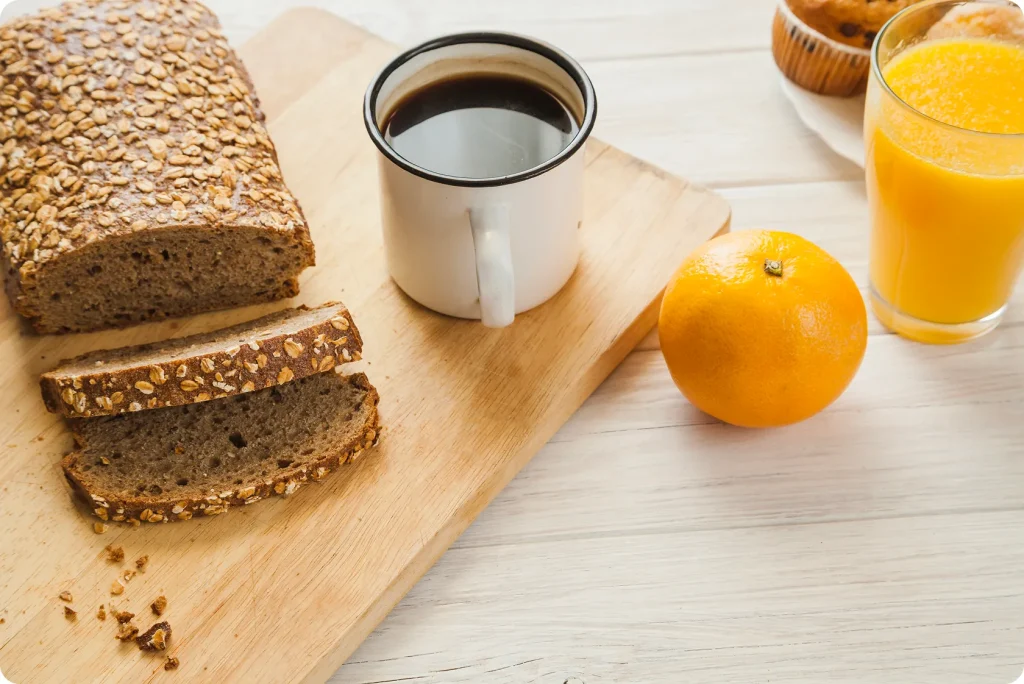
1. Classic Keto Eggs & Avocado Plate
Eggs are among the most nutritious keto foods you can eat. This simple breakfast combines eggs, creamy avocado, and healthy fats to keep you full for hours. It’s perfect for beginners because it requires little effort and contains almost zero net carbs. This dish also works well for people who need a quick, balanced meal before work or school.
Ingredients
- 2–3 eggs
- Half an avocado
- Olive oil or butter
- Salt, pepper
Why It Works
- High protein
- Healthy fats
- Fiber from avocado
2. Keto Greek Yogurt Bowl
Many beginners wonder, “Is yogurt keto friendly?”
The answer: Yes, if you choose unsweetened Greek yogurt with 5–7g carbs per serving.
This meal provides probiotics, protein, and healthy fats when combined with nuts and seeds.
How to Make It
- ½ cup Greek yogurt
- 1 tbsp chia seeds
- A few berries
- Almonds or walnuts
Benefits
- High in protein
- Supports digestion
- Easy to meal prep
3. Peanut Butter Chia Seed Keto Pudding
If you love peanut butter, you’ll be happy to know:
Is peanut butter keto? Yes — as long as it’s natural and sugar-free.
This pudding is creamy, filling, and high in healthy fats.
How to Make It
- 2 tbsp peanut butter
- 2 tbsp chia seeds
- ½ cup almond milk
- Stevia or monk fruit to taste
Benefits
- High fiber
- Keto-friendly dessert option
- Perfect for meal prep
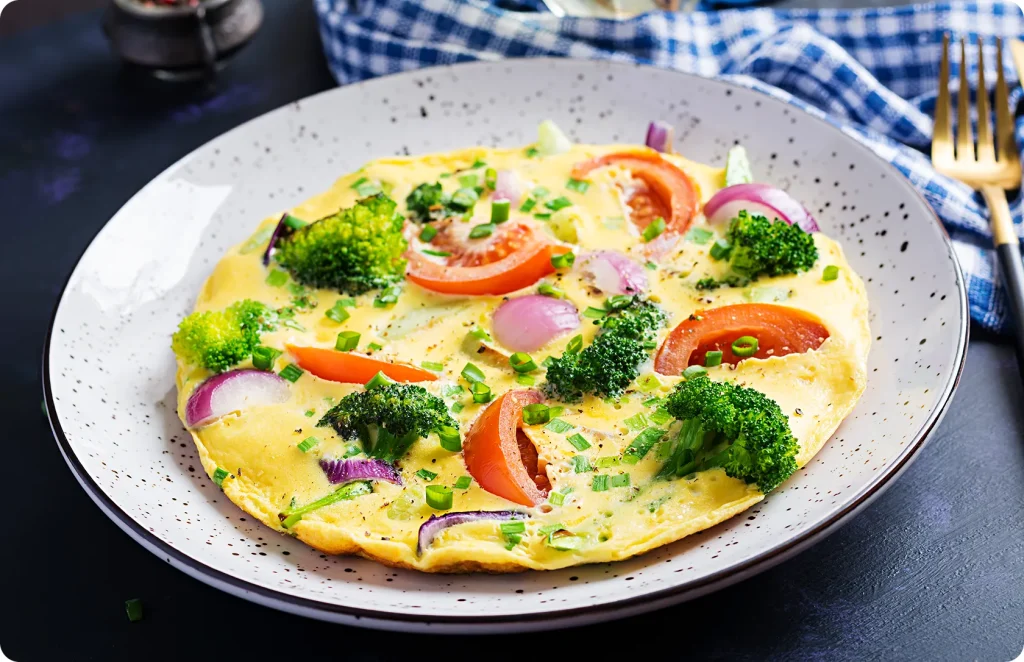
4. Keto Vegetable Omelette
A veggie-packed keto omelette helps you increase your nutrition while keeping carbs low. Keto-friendly vegetables include spinach, mushrooms, bell peppers, and zucchini. This breakfast supports stable energy and keeps you full until lunch.
Ingredients
- Eggs
- Spinach
- Mushrooms
- Cheese
- Butter or oil
Why It’s Great
- High nutrient density
- Easy to adjust based on your taste
- Great source of protein
5. Bulletproof Coffee (High-Fat Breakfast)
Bulletproof coffee is popular among keto beginners because it eliminates morning hunger while boosting focus. This drink combines coffee, butter, and MCT oil to increase ketone production.
Ingredients
- 1 cup coffee
- 1 tbsp butter
- 1 tbsp MCT oil
Benefits
- Great energy boost
- Helps you reach ketosis
- Works well for intermittent fasting
Lunch on keto can be flavorful, filling, and incredibly diverse. These 5 lunch ideas are designed for beginners who want simple meals without complicated ingredients.
6. Lettuce-Wrap Keto Chicken Sandwich
Lettuce is one of the best keto veggies, making it a perfect replacement for bread. This chicken wrap is crunchy, fresh, and full of flavor.
How to Make It
- Lettuce leaves
- Grilled chicken
- Cheese
- Mayo or dressing
- Pickles
Benefits
- Zero carbs from the wrap
- High protein
- Perfect for office lunches
7. Keto Cauliflower Fried Rice
Since rice is not keto-friendly, cauliflower rice is the perfect substitute. It tastes delicious, cooks quickly, and absorbs flavors beautifully.
Ingredients
- Cauliflower rice
- Soy sauce or coconut aminos
- Eggs
- Veggies (optional)
- Chicken or shrimp
Benefits
- Low carb
- High fiber
- Great for meal prep
8. Keto Zucchini Noodles with Creamy Garlic Sauce
Zucchini noodles, or “zoodles,” are a keto favorite. They offer a pasta-like texture without the carbs. You can add chicken, shrimp, or mushrooms for a complete meal.
Ingredients
- Spiralized zucchini
- Butter
- Garlic
- Cream cheese
Benefits
- Rich, satisfying flavors
- Easy for beginners
- Naturally low-carb
9. Keto Salmon Bowl with Veggies
This balanced bowl includes high-quality protein, healthy fats, and plenty of keto-friendly vegetables. Salmon provides omega-3 fatty acids, making it great for heart and brain health.
Ingredients
- Salmon
- Spinach
- Avocado
- Sesame seeds
Benefits
- Great for weight loss
- Anti-inflammatory
- High nutrient density
10. Keto Egg Salad with High-Fiber Veggies
Eggs are not only keto-friendly — they’re the foundation of many keto meals. This egg salad includes celery, lettuce, cucumbers, and other high-fiber keto foods.
Ingredients
- Boiled eggs
- Mayo
- Lettuce
- Celery
- Mustard
Benefits
- Rich in protein
- Keeps you full
- Perfect for lunchboxes
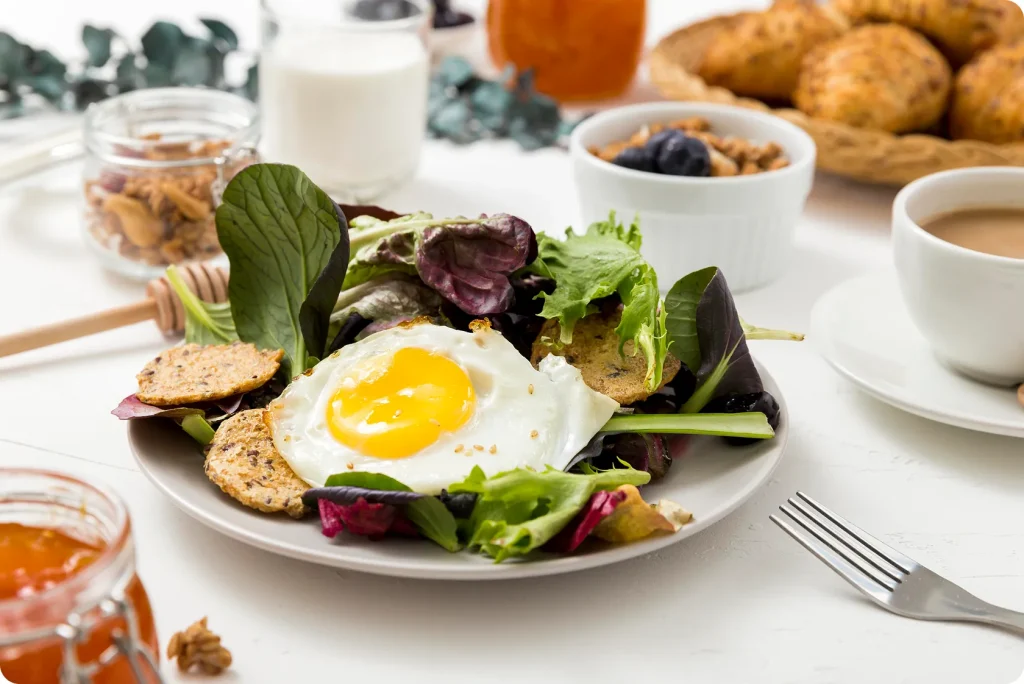
Table: Keto Foods List (Beginner-Friendly Guide)
| Food Category | Keto-Friendly Foods | Foods to Avoid |
| Proteins | Eggs, beef, chicken, fish | Breaded meat |
| Dairy | Cheese, butter, Greek yogurt | Flavored yogurt |
| Vegetables | Lettuce, spinach, broccoli | Potatoes, corn |
| Fruits | Berries | Mangoes, bananas |
| Fats | Olive oil, coconut oil | Sugary spreads |
| Grains | — | Rice, pasta, bread |
Caption: A beginner-friendly keto foods list to simplify daily meal planning.
Keto-Friendly Snacks & Fat Bomb Ideas
Snacking on a ketogenic diet can feel tricky at first, especially if you’re used to grabbing chips, cookies, or fruit between meals. But keto snacking becomes incredibly simple once you understand the goal: choose foods that satisfy hunger, stabilize energy, and keep carbs extremely low. Most keto-friendly snacks are rich in healthy fats and moderate in protein, which keep you full without spiking your blood sugar. This is especially helpful during the early stages of keto when your body is still adjusting to lower carb intake and you may experience cravings.
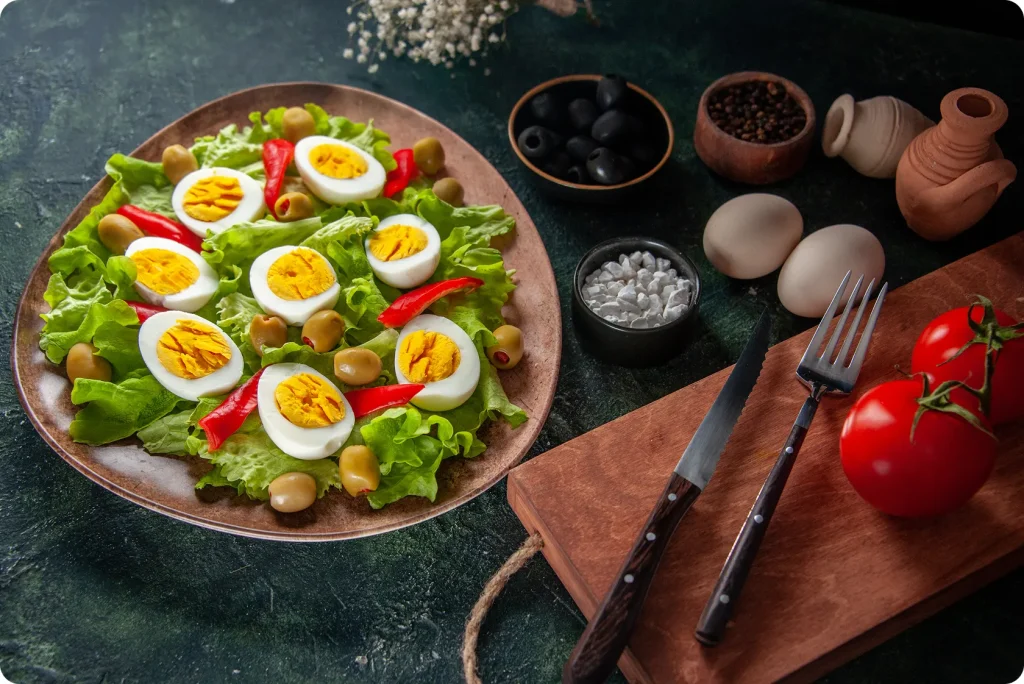
As you explore different keto snacks, you’ll notice a pattern—whole, minimally processed foods work best. Ingredients like cheese, nuts, seeds, olives, avocados, and nut butters provide quick fuel and contain naturally low carbohydrate levels. These snacks can be eaten at home, packed for school or work, or stored in airtight containers for convenience. If you find yourself frequently hungry between meals, it may also signal that your meals need more fat or fiber, both of which help regulate appetite on a low carb high fat diet.
Keto fat bombs are another powerful tool for beginners. These small, bite-sized treats deliver a high dose of healthy fats in a single serving, helping maintain ketosis and control cravings. Fat bombs come in many varieties—from chocolate-peanut butter sweets to savory cheese-and-herb blends—making them easy to customize based on your taste. They also work well as pre-workout snacks, mini desserts, or fast energy boosters when you’re busy. Best of all, most fat bombs can be prepared in just minutes and stored in the fridge for days or even weeks.
Keto Meal Prep Tips for Busy Beginners One of the best methods for maintaining consistency on a ketogenic diet, particularly if you’re new to the lifestyle, is meal preparation. Making meals ahead of time helps you avoid last-minute carb-heavy food choices, eliminates uncertainty, and lowers stress. Having the proper meals prepared when hunger hits is the main obstacle for the majority of novices, not a lack of drive. By organizing your meals in advance, you establish a disciplined schedule that promotes ketosis, increases self-assurance, and aids in long-term commitment.
Start by choosing straightforward meals using staple keto foods like eggs, poultry, cheese, veggies, and healthy fats. Select dishes that are easy to reheat, store well, and don’t require complex cooking techniques. Baking multiple chicken breasts or boiling a dozen eggs are examples of bulk protein cooking that saves time and enables you to easily put together meals throughout the week. To expedite dinner preparation, wash, cut, and store vegetables like lettuce, spinach, broccoli, and zucchini in airtight containers.
What Is a Ketogenic Diet? (Understanding Keto for Beginners)
The low-carb, high-fat ketogenic diet encourages your body to use fat rather than glucose as fuel. Your body goes into a metabolic condition called ketosis when you consume very few carbohydrates. Your liver creates ketones during ketosis, which serve as your primary source of energy. This change is the basis for why so many people have greater keto concentration, decreased appetite, and improved weight reduction.
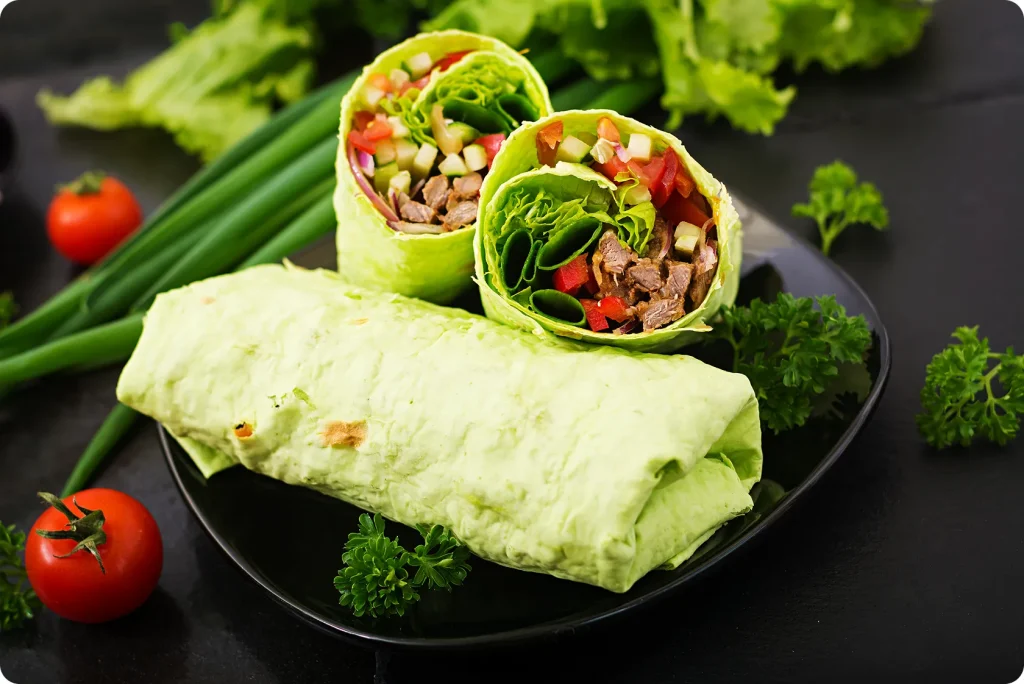
The keto diet is popular because it offers predictable results and allows satisfying meals—with healthy fats, proteins, and plenty of low-carb vegetables. Let’s look deeper into how ketosis works and how much you should eat as a beginner.
How Ketosis Works in the Body
To understand ketosis, you need to know how your body normally works. When you eat carbs, your body breaks them down into glucose, which becomes your main energy source. Excess glucose gets stored as fat.
But when carbs drop (usually below 20–50 grams per day), your body runs out of glucose. It must find another fuel source, so it begins breaking down stored fat. The liver turns this fat into ketones, which act as a clean, powerful energy source for the brain and body.
Benefits of ketosis include:
- Steady energy without sugar crashes
- Reduced hunger and cravings
- Faster fat-burning
- Improved mental clarity
This process is natural and safe for most people, especially when guided properly and with balanced meals.
On a Keto Diet, How Many Carbs Can You Eat?
Beginners often ask, “On keto diet, how many carbs can I eat?”
The general rule is:
- 20–50 grams of net carbs per day
- Net carbs = Total carbs – Fiber
Many beginners stay closer to 20–25 grams to reach ketosis faster.
Examples of net carb foods:
- Eggs: ~0g net carbs
- Cheese: ~1g per slice
- Avocado: ~2–3g per half
- Leafy greens: 1–3g per cup
Foods like rice, bread, pasta, bananas, and potatoes are too high in carbs for keto.
Keto Foods List: What to Eat and What to Avoid
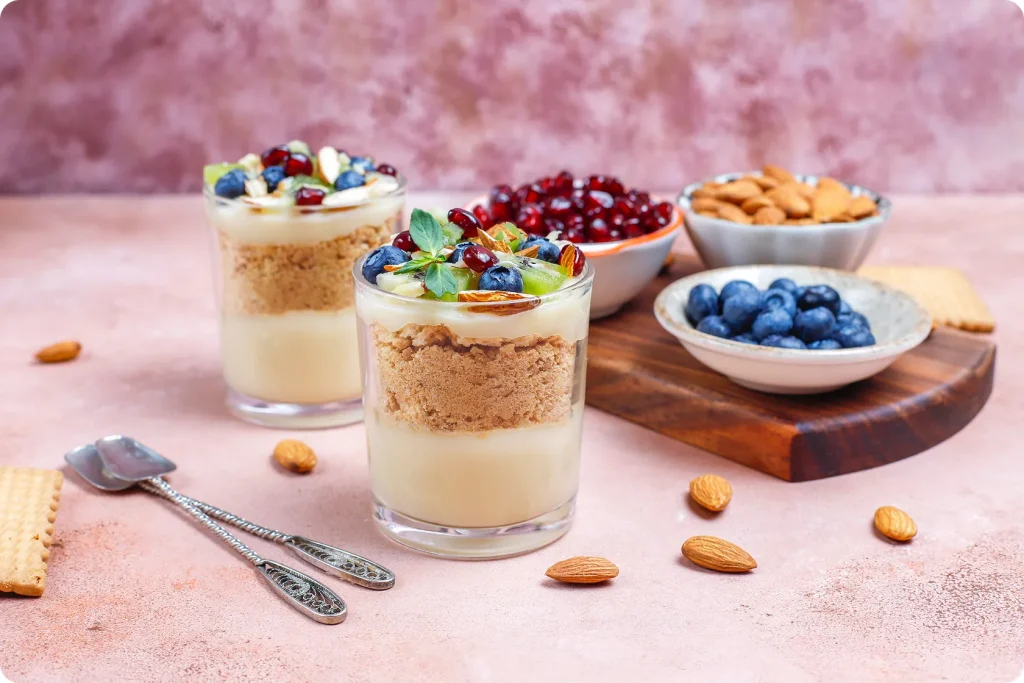
A high-quality ketogenic diet food list is your best friend as a beginner. Keto-friendly foods include:
Eat Freely
- Eggs (yes, eggs are keto)
- Meat, chicken, fish, seafood
- Cheese, butter (yes, butter is keto)
- Avocado
- Nuts, seeds
- Low-carb vegetables like spinach, lettuce (yes, lettuce is keto)
- Olive oil, coconut oil
Eat in Moderation
- Peanut butter (is peanut butter keto? Yes, if unsweetened)
- Greek yogurt (is yogurt keto friendly? Yes, if low-carb)
- Berries
Avoid
- Rice (is rice keto-friendly? No)
- Bread, pasta
- Sugary foods
- Most cereals
- High-carb fruits like mango and bananas
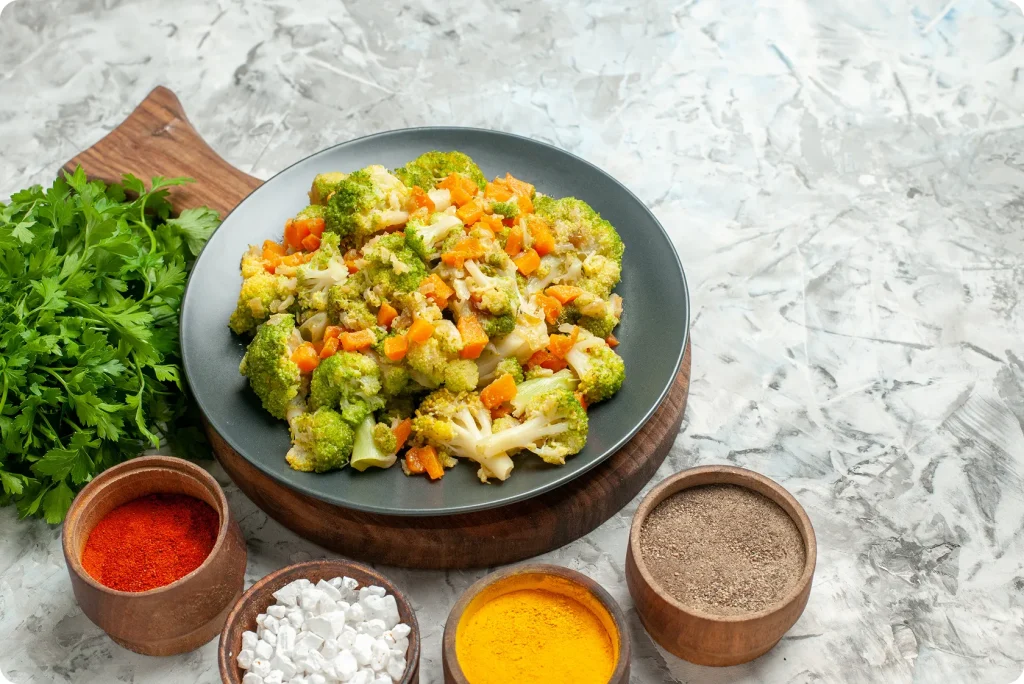
Now let’s dive into beginner-friendly breakfasts and lunches that make keto simple and tasty!
FAQ
1. What is a ketogenic diet and how does it work?
A ketogenic diet is a low-carb, high-fat eating plan that shifts your body into ketosis. In this state, your body burns fat for energy instead of glucose. This helps improve weight loss, reduce cravings, and provide steady energy throughout the day. It’s effective because it lowers insulin levels and encourages your body to use fat as its primary fuel source.
2. Is yogurt keto friendly?
Yes, but only if you choose unsweetened Greek yogurt or very low-carb varieties. Flavored yogurts can contain 15–25 grams of sugar, which is too high for keto. Greek yogurt provides probiotics, protein, and a small amount of carbs, making it a great option when portioned carefully.
3. Is rice keto friendly?
No, rice is too high in carbs for a ketogenic diet. Even a small serving can exceed your daily carb allowance. Fortunately, cauliflower rice offers a delicious alternative and absorbs flavors beautifully. It’s perfect for stir-fries, bowls, and meal prep dishes.
4. Are eggs keto and how often can I eat them?
Yes, eggs are among the best keto foods you can eat. They are high in protein, nearly zero carbs, and full of nutrients. Most people can enjoy eggs daily, whether in omelettes, scrambles, boiled, or used in salads. They are versatile and extremely keto-friendly.
5. How do keto capsules work?
Keto capsules often claim to increase ketone levels or boost fat-burning. While they may support energy, they are not necessary to achieve ketosis. The most effective way to reach ketosis is through consistent low-carb eating, healthy fats, and nutrient-dense meals. Supplements cannot replace a proper ketogenic diet.
Conclusion
A keto diet for beginners doesn’t have to be confusing or restrictive when you have the right tools and meal ideas. By understanding what a ketogenic diet is, how ketosis works, and how many carbs you should eat, you can begin your journey with confidence. Using a clear keto foods list, smart meal prep, and simple recipes, you can enjoy satisfying breakfasts, flavorful lunches, and healthy snacks every day.
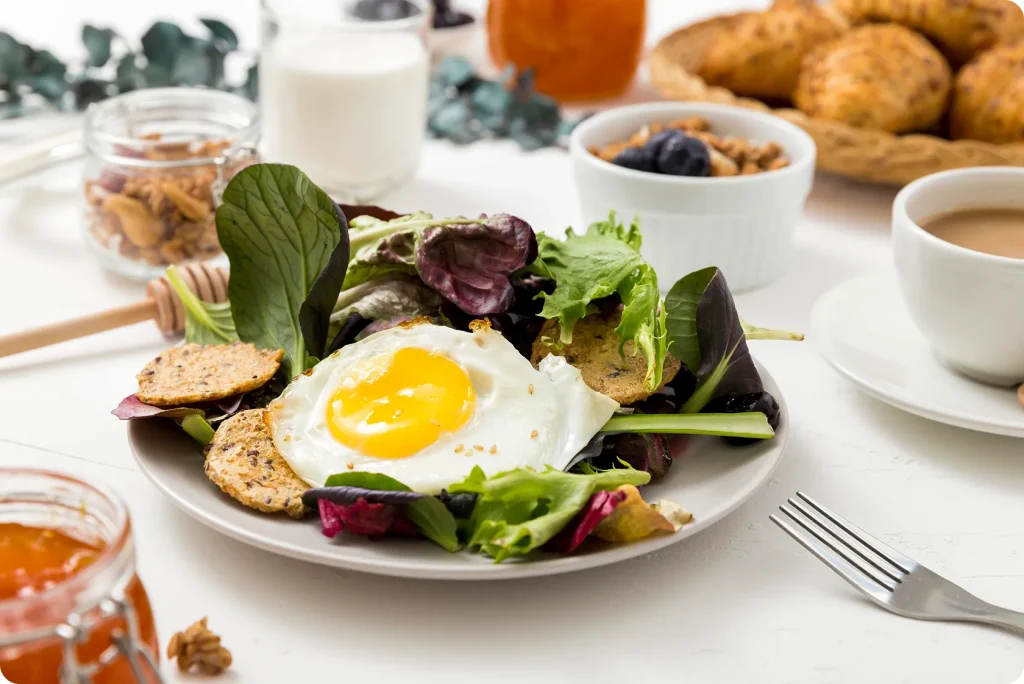
These 10 proven breakfast and lunch ideas are designed to fit your lifestyle, fuel your body, and help you stay consistent on your low carb high fat diet. Whether you’re looking to lose weight, increase energy, or improve overall health, keto can be a sustainable and enjoyable choice.
If you’re ready to take the next step, explore more recipes, track your carb intake, and continue learning about keto so you can build long-term success. Feel free to revisit the Table of Contents to review sections anytime you need a refresher.
Internal links:
- High Protein Meals: 10 Essential Ideas for Every Dinner
- Daily Sugar Intake: 8 Secret Ways to Stay Within Healthy Limits
- Potatoes Nutrition Facts: 10 Proven Health Benefits of Skins