

Introduction
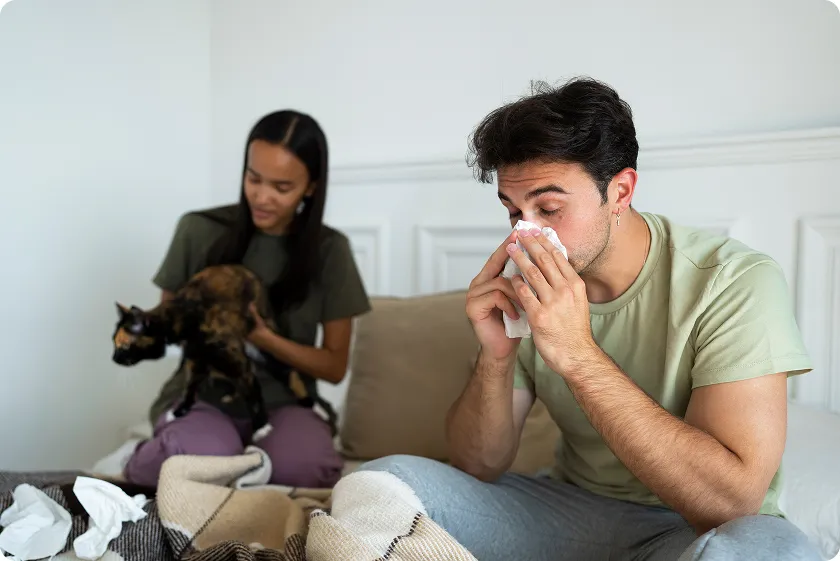
Living with a pet can be joyful, but for some, it comes with sneezes, itchy eyes, or Congestion. A pet dander allergy occurs when the immune system overreacts to proteins in an animal’s skin flakes, saliva, or urine. These proteins cling to fur, feathers, and other surfaces, triggering a range of animal allergy symptoms similar to those of hay fever. In fact, roughly 10–20% of people globally react to cats or dogs.
If you notice frequent sneezing, watery eyes, or a cough after pet exposure, it may indicate an allergic reaction to dog dander, cat dander, or other pet allergens. This article will guide you through the 7 essential symptoms to watch for, explain why allergies sometimes develop suddenly, even in adults, and provide practical tips for cat allergy treatment, prevention, and home management. By the end, you’ll know how to protect your health while enjoying your furry friends.
Why Animal Allergies Matter
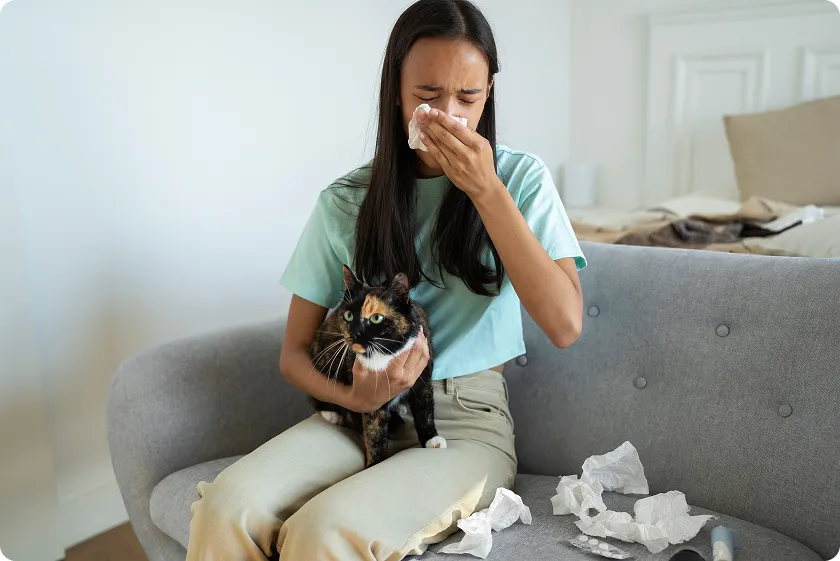
With nearly 62% of U.S. households owning pets, allergies to furred animals are common. Pet allergens are found in dander (dead skin cells), saliva, and urine, not the fur itself. Dander can linger in the air, on carpets, and on clothing, causing persistent discomfort for allergy sufferers.
For individuals with asthma or eczema, exposure can worsen symptoms. Chronic sneezing, itchy eyes, or Congestion may disrupt daily life, interfere with sleep, and even trigger respiratory flare-ups. Understanding these pain points allows pet owners to take effective action through cleaning, medications, or environmental modifications.
Prevalence
Studies indicate that up to 3 in 10 Americans experience allergic reactions to cats and dogs, with cat allergies twice as common. Adults can develop allergies even if they previously tolerated pets, highlighting the importance of recognizing early signs.
Common Pet Allergens
Proteins such as Fel d 1 in cats and Can f 1 in dogs are the primary triggers. These proteins are found in saliva and dander, which can remain airborne or settle on furniture, fabrics, and clothing. The hair itself only carries allergens. It isn’t the source of the reaction.
7 Essential Animal Allergy Symptoms

Here are the seven main symptoms of pet allergies, along with real-life examples and practical tips.
1. Sneezing and Runny or Stuffy Nose
Symptoms: Frequent sneezing, runny or congested nose, postnasal drip.
Example: Sneezing after hugging a dog or cleaning the cat litter.
Tip: Use saline sprays, keep tissues handy, and consider antihistamines if exposure is unavoidable.
2. Itchy, Red, or Watery Eyes
Symptoms: Burning, itchy, or watery eyes from contact with pet allergens.
Example: Your eyes tear up when your cat jumps on your lap.
Tip: Avoid rubbing your eyes. Use antihistamine eye drops and wash your hands after petting.
3. Nasal Congestion and Sinus Pressure
Symptoms: Stuffy nose, sinus pressure, dull pain in the forehead or cheeks.
Example: Feeling congested overnight if your pet sleeps in the bedroom.
Tip: Keep pets out of sleeping areas, use HEPA filters, and nasal corticosteroids if needed.
4. Coughing, Wheezing, and Breathing Issues
Symptoms: Coughing, wheezing, shortness of breath, asthma flare-ups.
Example: A dog’s dander triggers a whistling breath or persistent cough.
Tip: Asthma inhalers or medications as prescribed. Minimize exposure and keep rooms well-ventilated.
5. Hives, Rashes, and Skin Reactions
Symptoms: Itchy, red patches, hives from direct contact.
Example: Rash on the skin where the cat licked or scratched.
Tip: Avoid direct skin contact and use over-the-counter hydrocortisone or antihistamines to relieve irritation.
6. Itchy Throat, Mouth, or Ears
Symptoms: Tingling or itchiness in the mouth, lips, throat, or ears.
Example: Scratchy throat after a dog lick.
Tip: Drink water, chew gum, or use antihistamines. Reduce direct contact to prevent recurring symptoms.
7. Sleep Disturbances and Fatigue
Symptoms: Difficulty sleeping, fatigue, daytime sleepiness.
Example: Waking up repeatedly at night from coughing or sneezing due to pet dander.
Tip: Keep pets out of the bedroom, clean bedding regularly, and use allergy medications as needed.
Common Pet Allergy Symptoms and Triggers
| Symptom | Typical Allergen | Example |
|---|---|---|
| Sneezing & Runny Nose | Airborne dander/saliva | Sneezing when hugging your dog |
| Itchy, Red Eyes | Dander contacting eyes | Eyes watering after petting a cat |
| Nasal Congestion | Sustained exposure | Stuffy nose after sleeping with a pet |
| Cough/Wheezing | Inhaled allergens | Asthma coughing after dog play |
| Hives/Rash | Direct contact | Red, itchy patch from a pet’s lick |
| Itchy Throat/Mouth | Saliva allergens | Scratchy throat after a dog lick |
| Sleep Problems/Fatigue | Nighttime exposure | Waking tired due to nighttime sneezing |
Treating and Managing Pet Allergies
Diagnosis and Allergy Testing
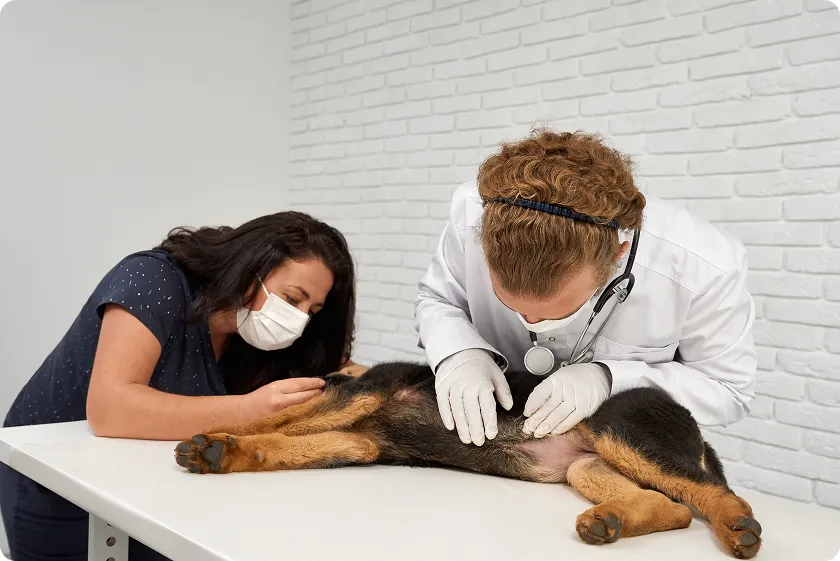
Consult an allergist for skin or blood tests to identify specific allergens. Accurate diagnosis is crucial for targeted cat allergy treatment or identifying reactions to dog dander. This is especially important for adults who suddenly develop allergies.
Medications and Allergy Shots
- Antihistamines: Relieve sneezing, itching, and a runny nose.
- Nasal corticosteroids: Reduce Congestion and inflammation.
- Eye drops: Soothe itchy, watery eyes.
- Immunotherapy (allergy shots or drops): Train the immune system to tolerate allergens over time, reducing symptoms in the long term.
Environmental Controls
- Keep pets out of bedrooms.
- Groom and bathe pets regularly. Brush them outdoors.
- Vacuum with HEPA filters and dust with damp cloths.
- Wash bedding, curtains, and soft furnishings weekly.
- Use allergen-reducing sprays on furniture.
- Practice good hygiene: wash hands and change clothes after pet contact.
| Strategy | How It Helps |
|---|---|
| HEPA Air Filters | Trap airborne pet dander |
| Frequent Pet Grooming | Removes loose fur and dander before it spreads |
| Bedroom Pet Ban | Minimizes nighttime allergen exposure |
| Vacuuming & Washing Fabrics | Eliminates settled dander from surfaces |
| Medications | Relieve symptoms quickly |
| Allergy Shots/Immunotherapy | Build long-term tolerance to allergens |
FAQ
1. What kills pet dander?
Dander is not alive, so it can’t be “killed.” Sunlight and airflow can help break it down. Removing it with cleaning and HEPA filters is most effective.
2. How do I get rid of pet dander?
Vacuum with HEPA filters, wash fabrics and pet bedding, and groom pets regularly. Reduce clutter and maintain airflow to minimize airborne allergens.
3. How to prevent cat allergies?
Keep cat-free zones, groom cats often, clean with HEPA filters, and consider immunotherapy. Limiting face-to-face contact reduces reactions.
4. Can you be allergic to dogs?
Yes, many people react to dog allergens in dander and saliva. Allergy testing helps determine which dogs trigger symptoms.
5. Why am I suddenly allergic to my cat?
Adult-onset allergies can occur. Immune system sensitization or changes in the pet’s dander levels can trigger new reactions.
Conclusion
Recognizing pet dander allergy is the first step to managing it. The 7 essential symptoms, sneezing, itchy eyes, Congestion, cough/wheezing, hives, oral itch, and sleep disturbances, can guide you to timely action. Treatments range from medications and immunotherapy to rigorous home cleaning and pet grooming.
By combining these approaches, you can maintain health, minimize discomfort, and continue enjoying your pet’s companionship. Share this guide, comment with your experiences, or check our related posts for more tips on allergy management and pet care.
Internal Links
- Allergy Injection Treatment: 5 Essential Allergy Shots for Seasonal Allergies
- What Are Nasal Polyps: 7 Proven Nasal Polyps Symptoms
- What is the Difference Between Perimenopause and Menopause?