
What Are Nasal Polyps: 7 Proven Nasal Polyps Symptoms
What are nasal polyps? Learn nasal polyps symptoms, causes, and warning signs to improve breathing and seek the right treatment. Read now.
By Healthy Eats Guide Team
Published
Updated
7 min read
Introduction
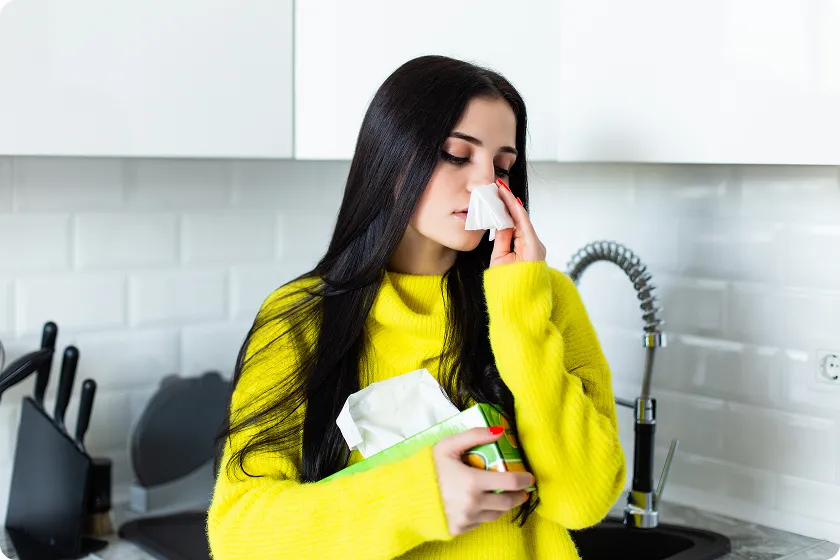
If you’ve ever struggled with constant nasal blockage, reduced sense of smell, or recurring sinus infections, you may have wondered: What are nasal polyps, and could they be the reason behind your symptoms? Nasal polyps are soft, painless, non-cancerous growths that develop inside the nasal passages or sinuses due to chronic inflammation. While they are not life-threatening, they can significantly affect breathing, sleep, and quality of life.
Understanding the symptoms, causes, and progression of nasal polyps is essential for early detection and effective treatment. Many people ignore early signs, mistaking them for allergies or a common cold. However, untreated nasal polyps can grow larger over time, leading to chronic discomfort and complications.
This article explains everything you need to know in simple terms, from what causes a nasal polyp to how to tell if you have nasal polyps and what treatment options are available.
What Are Nasal Polyps?
Nasal polyps are soft, jelly-like swellings that form in the lining of your nasal passages or sinuses. They are part of a condition sometimes referred to as nasal polyp disease, which is linked to long-term inflammation.
Unlike cancerous growths, nasal polyps are benign (non-cancerous), but they can still cause significant blockage when they become large or occur in clusters.
Key facts:
- They often develop in both nostrils
- They are linked to chronic inflammation
- They may appear in people with asthma or allergies
- They can grow slowly over time without pain
When people refer to “nose polyps” or “growth in the nose,” they are usually describing this same condition.
7 Proven Nasal Polyps Symptoms

Recognizing nasal polyps symptoms early can help prevent complications. Below are the most common signs:
1. Persistent Nasal Congestion
One of the earliest and most noticeable symptoms is a constant feeling of blockage, as if your nose is always stuffy.
2. Reduced or Lost Sense of Smell
Inflammation and blockage can interfere with smell receptors, leading to partial or complete loss of smell.
3. Runny Nose (Chronic)
A persistent runny nose that does not respond to typical cold treatments may indicate nasal polyps.
4. Postnasal Drip
Mucus dripping down the throat can cause irritation, coughing, or frequent throat clearing.
5. Facial Pressure or Pain
You may feel pressure around the forehead, cheeks, or eyes due to blocked sinus drainage.
6. Snoring or Breathing Difficulty
Large polyps can obstruct airflow, leading to snoring or difficulty breathing through the nose.
7. Frequent Sinus Infections
Blocked sinuses create an environment where infections can develop more easily.
What Causes Nasal Polyps?
Understanding what causes nasal polyps helps manage and prevent them. The exact cause is not always clear, but several factors are linked:
- Chronic sinus inflammation
- Allergic rhinitis (seasonal or environmental allergies)
- Asthma
- Recurring infections
- Sensitivity to certain medications (like aspirin in some people)
- Immune system response issues
In simple terms, when the nasal lining stays inflamed for long periods, it may swell and eventually form polyps.
What Do Nose Polyps Look Like?

Many people ask: What do nose polyps look like?
Nasal polyps typically appear as:
- Smooth, soft, and shiny
- Pale or grayish in color
- Tear-drop shaped growths
- Clustered like grapes in severe cases
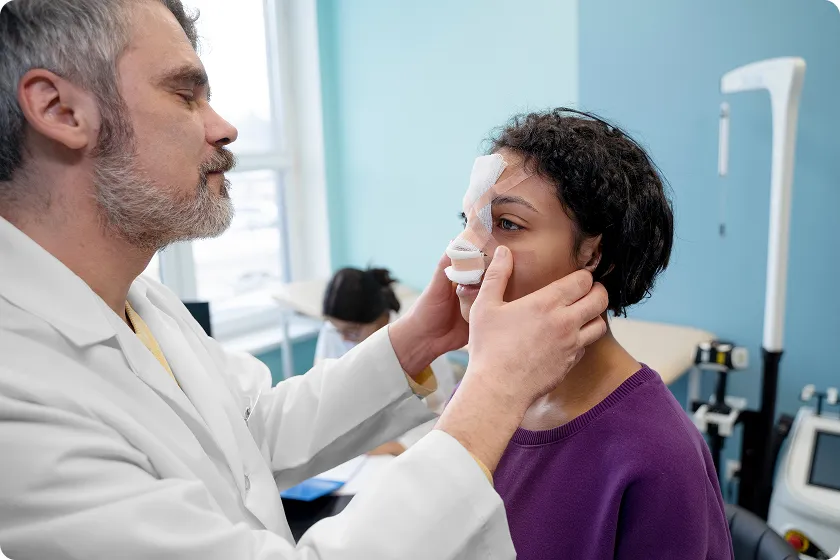
They are usually not visible from the outside unless they are large. Doctors often detect them using a nasal endoscope.
How to Tell If You Have Nasal Polyps

If you’re wondering how to tell if you have nasal polyps, consider both symptoms and duration.
Common warning signs:
- Symptoms lasting longer than 10–12 weeks
- No relief from allergy medications or decongestants
- Constant nasal blockage on both sides
- Reduced smell and taste
- Repeated sinus infections
A medical examination is the only way to confirm a diagnosis. ENT specialists may use imaging tests or a nasal scope.
Do Nasal Polyps Go Away?
A common question is: Do nasal polyps go away on their own?
In most cases:
- Small polyps may shrink with treatment
- However, they rarely disappear completely without medical help
- Chronic inflammation often causes them to return
While symptoms can improve, long-term management is typically necessary.
How to Get Rid of Nasal Polyps
Treatment depends on severity. Here are common approaches:
1. Medications
- Nasal corticosteroid sprays
- Oral steroids for short-term relief
- Antihistamines if allergies are involved
2. Saline Irrigation
Rinsing the nasal passages helps reduce mucus and inflammation.
3. Surgery (Polypectomy)
For large or persistent polyps, doctors may recommend removal.
4. Managing Underlying Conditions
Treating asthma, allergies, or chronic sinusitis helps prevent recurrence.
Checklist: When to See a Doctor
| Symptom | Concern Level |
|---|---|
| Nasal blockage lasting over 3 months | High |
| Loss of smell or taste | High |
| Frequent sinus infections | Medium–High |
| Snoring with breathing issues | High |
| Facial pain or pressure | Medium |
| No response to allergy medication | High |
FAQ
1. What causes a nasal polyp?
A nasal polyp usually forms due to long-term inflammation in the nasal or sinus lining, often linked to allergies, asthma, or infections.
2. Are nasal polyps dangerous?
No, they are not cancerous. However, they can significantly affect breathing and quality of life if untreated.
3. How to get rid of nasal polyps permanently?
There is no guaranteed permanent cure, but medication and surgery can effectively control or remove them. Managing inflammation is key.
4. Can nasal polyps come back after surgery?
Yes, they can recur if the underlying inflammation is not properly controlled.
5. What do nose polyps look like inside the nose?
They usually look like soft, pale, grape-like growths inside the nasal passages.
Conclusion
Understanding what nasal polyps are is the first step toward managing this common but often misunderstood condition. These soft growths may seem harmless at first, but their impact on breathing, sleep, and daily comfort can be significant.
If you notice persistent nasal polyps symptoms, such as a blocked nose, loss of smell, or recurring sinus infections, it’s important not to ignore them. Early diagnosis can make treatment easier and more effective.
Internal Links
- Harmful Microorganisms: 10 Essential Facts to Prevent Infection
- Stroke Symptoms in Women: 8 Essential Early Warning Signs
- Gerd Relief: 7 Proven Tips to Manage Flare Ups
External Links
References
- What is Orthodontics? A Comprehensive Guide. https://www.veilwildortho.com/blog/what-is-orthodontics-a-comprehensive-guide-from-veil-wild-orthodontics/
- Can Sinusitis Spread Like a Common Cold, or Is It Different?. https://brainwavetrail.com/can-a-sinus-infection-be-contagious/
- Understanding Nasal Polyps: Symptoms, Causes, and Treatment | Annapolis and Severna Park, MD. https://aaentmd.com/blog/understanding-nasal-polyps-symptoms-causes-and-treatment/
- Nasal polyps Treatment in Coimbatore | Ashwin Hospital. https://www.ashwinhospital.com/ent/nasal-polyps/
About the author
Healthy Eats Guide Team
Editorial Team
The Healthy Eats Guide editorial team researches and writes practical health and wellness content focused on clarity, sourcing, and everyday usefulness.
Related blogs

Chronic Migraine Treatment: 6 Essential Options Explained
Chronic migraine treatment options, including CGRP inhibitors and Botox, can reduce attack frequency. Explore six proven approaches and take control today.
10 min read

Mounjaro Fatigue: 5 Essential Facts to Know
Mounjaro fatigue can drain your day. Learn key tirzepatide side effects, causes of tiredness, and practical ways to restore energy. Read the guide.
8 min read

Exdensur for Asthma: 7 Essential Facts to Know
Exdensur for asthma: Learn Depemokimab uses, eosinophilic asthma treatment benefits, side effects, and dosage schedule. Read the facts today.
9 min read
Newsletter
Get practical health guides in your inbox
Occasional updates with clear nutrition, habits, and wellness reading — no spam, unsubscribe anytime.