
Stroke Symptoms in Women: 8 Essential Early Warning Signs
Stroke symptoms in women can include subtle early signs of stroke in women like numbness and dizziness. Learn the warning signs now and act fast.
By Healthy Eats Guide Team
Published
Updated
6 min read

Introduction
Stroke is a life-threatening condition that affects millions worldwide each year. While men and women both experience strokes, research shows that stroke symptoms in women can sometimes present differently, often leading to delayed diagnosis and treatment. Recognising the early signs of stroke in women is critical, as timely intervention can prevent serious complications, including long-term disability or death.
Women may experience subtler or less “classic” symptoms, making awareness essential not only for themselves but also for family, friends, and caregivers. This article highlights eight crucial early warning signs and provides guidance on prevention, first aid, and understanding silent strokes.
Understanding Stroke in Women

Causes of Stroke in Women
Women face certain stroke risks that differ from those of men. Common causes of stroke in women include:
- Hormonal factors: Pregnancy, birth control pills, and menopause can influence blood clotting.
- Cardiovascular conditions: High blood pressure, atrial fibrillation, and high cholesterol.
- Lifestyle factors: Smoking, sedentary lifestyle, obesity, and poor diet.
- Underlying medical conditions: Diabetes, autoimmune diseases, or migraines with aura.
Risk Factors
- Age over 55
- Family history of stroke or heart disease
- Previous transient ischemic attack (TIA)
- Excessive alcohol consumption
Understanding these risk factors is crucial for stroke prevention and early detection.
8 Essential Early Warning Signs of Stroke in Women
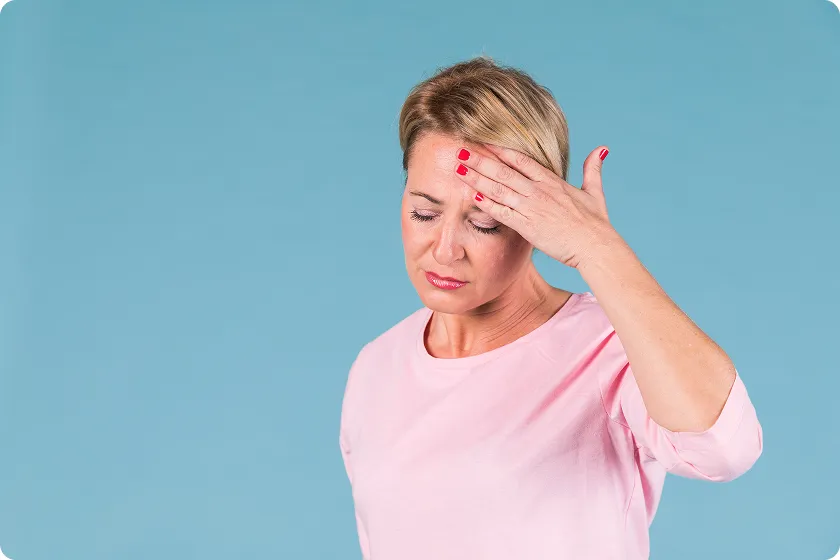
1. Sudden Numbness or Weakness
- Typically affects one side of the body (face, arm, or leg).
- Women may report weakness without pain, which can be mistaken for fatigue.
- Immediate action: Call emergency services; do not wait to see if it improves.
2. Confusion or Trouble Speaking
- Difficulty finding words, slurred speech, or trouble understanding conversations.
- May feel disoriented or unusually forgetful.
- Often misinterpreted as stress or fatigue in women.
3. Vision Problems
- Sudden blurred vision, double vision, or loss of sight in one eye.
- Vision issues may be temporary, but still indicate a serious problem.
4. Severe Headache
- Sudden, intense headache unlike any experienced before.
- Sometimes described as a “thunderclap” headache, it is often linked with hemorrhagic stroke.
5. Dizziness or Loss of Balance
- Women may feel vertigo, unsteady walking, or sudden falls.
- It can be accompanied by nausea or vomiting.
6. Fatigue or Sudden Weakness
- Unexplained extreme tiredness or inability to perform usual activities.
- Often overlooked as a symptom, but it may precede more serious stroke signs.
7. Nausea or Vomiting
- It can occur suddenly, accompanied by other neurological symptoms.
- Often mistaken for food poisoning, especially in women.
8. Shortness of Breath or Palpitations
- May indicate cardiac involvement or increased stroke risk.
- If accompanied by other neurological signs, seek immediate help.
Silent Stroke: The Hidden Danger

A silent stroke may occur without obvious symptoms, yet it can cause permanent brain damage. Signs may include:
- Subtle cognitive decline
- Memory problems
- Minor weakness or coordination issues
Women are at risk of silent strokes, particularly with high blood pressure or atrial fibrillation. Regular check-ups and monitoring are essential for early detection.
Prevention and First Aid
How to Prevent Stroke
- Maintain healthy blood pressure and cholesterol levels.
- Exercise regularly and eat a balanced diet rich in fruits and vegetables.
- Avoid smoking and limit alcohol.
- Manage diabetes, obesity, and stress effectively.
What to Do if Someone is Having a Stroke
Use the FAST method:
- F – Face: Ask them to smile; look for drooping.
- A – Arms: Check if one arm drifts downward.
- S – Speech: Listen for slurred words or confusion.
- T – Time: Call emergency services immediately.
Early treatment dramatically improves outcomes and can save a life.
Checklist: Recognising Early Stroke Symptoms in Women
| Symptom | Typical Presentation | Action Needed |
|---|---|---|
| Numbness/Weakness | One side of the body, often subtle | Call emergency services |
| Speech Trouble | Slurred speech or confusion | FAST evaluation |
| Vision Problems | Blurred or double vision | Seek immediate medical attention |
| Severe Headache | Thunderclap or unusual intensity | Emergency evaluation |
| Dizziness/Balance Loss | Vertigo or falls | Do not ignore, call 911 |
| Fatigue/Weakness | Sudden inability to perform tasks | Monitor and seek care if persistent |
| Nausea/Vomiting | Sudden onset with other symptoms | Seek emergency help |
| Shortness of Breath/Palpitations | Often accompany other signs | Immediate evaluation |
FAQ
1. Can a stroke kill you?
Yes, strokes can be fatal, especially if treatment is delayed. Timely medical intervention is critical.
2. What does a stroke feel like?
Symptoms vary, but common feelings include sudden weakness, numbness, confusion, severe headache, or vision loss.
3. Can you have a stroke and not know it?
Yes, silent strokes can occur with subtle or no noticeable symptoms but still cause brain damage.
4. How to prevent getting a stroke?
Control blood pressure, manage cholesterol, exercise, avoid smoking, and monitor for early symptoms.
5. What to do if someone is having a stroke?
Use the FAST method and call emergency services immediately. Quick action saves lives.
Conclusion
Understanding stroke symptoms in women is not optional—it’s essential. Women often experience subtle, atypical signs that can be misinterpreted or ignored, increasing the risk of severe outcomes. By recognising early indicators, using tools like the FAST method, and taking preventive measures, you can protect yourself and your loved ones.
Internal Links
- 5 Essential Lupus Life Expectancy Facts to Know
- Arthritis in hands: 7 Effective Signs & Relief Tips
- 3 Types of Skin Cancer: Essential Facts You Must Know
External Links
- Symptoms of Stroke in Women
- Signs and Symptoms of Stroke
- Is it fatigue – or a stroke? Women shouldn't ignore these warning signs
Reference
- What are the Symptoms of Stroke in Men and the Treatment for Stroke in Men? - Health & Detox & Vitamins https://supernutritious.net/what-are-the-symptoms-of-stroke-in-men-and-the-treatment-for-stroke-in-men/
- St. Luke's Advice: BEFAST https://www.howiehanson.com/st-lukes-advice/
- Crystal Vision Center: Your Trusted Optometrist in College Station – Unfortunate Thirst https://www.unfortunatethirst.us/crystal-vision-center-your-trusted-optometrist-in-college-station/
- Are you having a headache or a migraine? - WhiteCoat https://whitecoat.com.sg/lifestyle/are-you-having-a-headache-or-a-migraine/
- Neurological Emergencies: Recognizing Signs and Seeking Immediate Care - Health VX https://healthvx.com/neurological-emergencies-recognizing-signs-and-seeking-immediate-care/
- Stroke Recovery: Is Cure Possible? | MedShun https://medshun.com/article/can-a-stroke-be-cured
- DayCare’s Approach to Food Safety https://playto.com/blog/daycare-s-approach-to-food-safety
- What are the Symptoms of Stroke in Men and the Treatment for Stroke in Men? - Health & Detox & Vitamins https://supernutritious.net/what-are-the-symptoms-of-stroke-in-men-and-the-treatment-for-stroke-in-men/
About the author
Healthy Eats Guide Team
Editorial Team
The Healthy Eats Guide editorial team researches and writes practical health and wellness content focused on clarity, sourcing, and everyday usefulness.
Related blogs

Chronic Migraine Treatment: 6 Essential Options Explained
Chronic migraine treatment options, including CGRP inhibitors and Botox, can reduce attack frequency. Explore six proven approaches and take control today.
10 min read

Mounjaro Fatigue: 5 Essential Facts to Know
Mounjaro fatigue can drain your day. Learn key tirzepatide side effects, causes of tiredness, and practical ways to restore energy. Read the guide.
8 min read

Exdensur for Asthma: 7 Essential Facts to Know
Exdensur for asthma: Learn Depemokimab uses, eosinophilic asthma treatment benefits, side effects, and dosage schedule. Read the facts today.
9 min read
Newsletter
Get practical health guides in your inbox
Occasional updates with clear nutrition, habits, and wellness reading — no spam, unsubscribe anytime.