
What is the Difference Between Perimenopause and Menopause?
Difference between perimenopause and menopause explained clearly. Learn menstrual irregularities perimenopause & symptoms. Read now.
By Healthy Eats Guide Team
Published
Updated
6 min read
Introduction
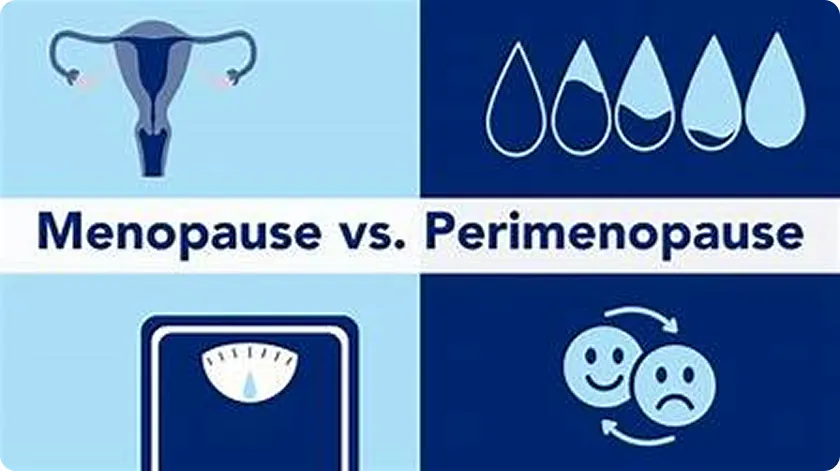
The difference between perimenopause and menopause is a topic many women start searching for when their bodies begin to feel unfamiliar. Changes in menstrual cycles, mood shifts, sleep disturbances, and hormonal fluctuations can all raise questions like: "Is this perimenopause?" or "Have I reached menopause?"
Understanding these two stages is essential because they are part of a natural biological transition, not a medical problem. However, the timing, symptoms, and hormonal changes differ. While perimenopause is the transitional phase leading up to menopause, menopause marks the official end of menstrual cycles.
In this guide, we'll break down everything you need to know about irregular periods during perimenopause, hormone changes during perimenopause, and how to recognize the stages clearly. You'll also learn when perimenopause starts, how long it lasts, and what symptoms to watch for.
What Is Perimenopause?
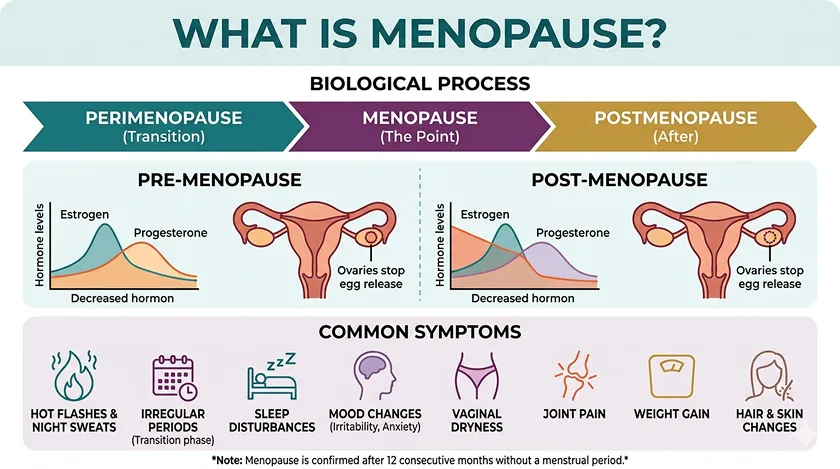
Perimenopause means "around menopause." It is the transitional phase when the ovaries gradually begin producing less estrogen and progesterone, but periods have not yet completely stopped. This stage can begin quietly, sometimes years before menopause.
Key features of perimenopause:
- Menstrual irregularities, perimenopause, are one of the earliest signs
- Cycles may become shorter, longer, heavier, or lighter
- Hormone levels fluctuate unpredictably
- Ovulation becomes irregular, but may still occur
- Symptoms can come and go
When does perimenopause start?
Most women begin noticing changes in their mid-to-late 40s, but it can start earlier in some cases. This leads many to ask: What age does perimenopause start? The answer varies, typically between ages 35 and 50.
How long does perimenopause last?
It can last anywhere from 2 to 10 years, depending on genetics, lifestyle, and overall health.
Common symptoms include:
- Hot flashes
- Sleep disturbances
- Mood swings or irritability
- Vaginal dryness
- Irregular periods during perimenopause
- Occasional nausea in some cases
- Brain fog or difficulty concentrating
Yes, can perimenopause cause nausea? It can, especially due to hormonal fluctuations affecting digestion and the nervous system.
What Is Menopause?

Menopause is defined as the point at which a woman has not had a menstrual period for 12 consecutive months. Unlike perimenopause, menopause is not a gradual phase. It is a milestone.
Key characteristics of menopause:
- No menstrual periods at all
- Ovaries significantly reduce hormone production
- Estrogen and progesterone levels remain consistently low
- Fertility ends naturally
Once menopause is reached, the body enters postmenopause, where symptoms may continue, but cycles do not return.
Key Differences Between Perimenopause and Menopause
Understanding the distinction helps reduce confusion and anxiety.
Main differences:
| Feature | Perimenopause | Menopause |
|---|---|---|
| Periods | Irregular and unpredictable | Completely stop |
| Hormones | Fluctuating estrogen and progesterone levels | Consistently low estrogen and progesterone levels |
| Fertility | Still possible, though reduced | No longer possible |
| Duration | Typically lasts 2–10 years | A single point in time (12 months after the last period) |
| Symptoms | Variable and often changing | May stabilize but can continue over time |
Key takeaway: Perimenopause is the transition; menopause is the endpoint.
Stages and Symptoms Explained

Hormonal transition does not happen overnight. It progresses in stages.
1. Early Perimenopause
- Subtle cycle changes
- Slight mood shifts
- Mild PMS changes
- Occasional perimenopause spotting
2. Late Perimenopause
- More frequent irregular periods during perimenopause
- Hot flashes become noticeable
- Sleep problems increase
- Hormone swings become stronger
3. Menopause Stage
- No menstruation for 12 months
- Hormone levels stabilize at a low baseline
- Symptoms may persist, but often reduce in intensity
Hormone changes (perimenopause and progesterone)
During perimenopause, progesterone often declines earlier than estrogen. This imbalance can contribute to:
- Anxiety or restlessness
- Heavier or prolonged periods
- Breast tenderness
How to Know If You're in Perimenopause

There is no single test that confirms perimenopause. Instead, doctors evaluate symptoms and sometimes hormone levels.
Possible indicators:
- Cycle length changes by more than 7 days
- Missed periods
- New onset of hot flashes
- Sleep disruption
- Emotional sensitivity or mood swings
Doctors may sometimes check perimenopause FSH levels, but results can fluctuate too much to be definitive.
Tests for perimenopause may include:
- FSH (Follicle Stimulating Hormone) test
- Estradiol levels
- Thyroid function tests (to rule out other causes)
Still, symptoms remain the most reliable indicator.
FAQ
1. When does perimenopause start?
Perimenopause typically starts in the mid-40s, but it can begin as early as the mid-30s for some women.
2. How to know if you're in perimenopause?
Look for irregular periods, mood changes, hot flashes, and sleep issues. A doctor may also review hormone levels.
3. Can perimenopause cause nausea?
Yes, Hormonal fluctuations can affect digestion and trigger mild nausea in some women.
4. How long does perimenopause last?
It can last anywhere from 2 to 10 years before menopause occurs.
5. At what age does perimenopause start?
Most commonly between 35 and 50 years of age, depending on individual factors.
Conclusion
Understanding the differences between perimenopause and menopause helps you make sense of the physical and emotional changes your body undergoes. Perimenopause is the unpredictable transition marked by shifting hormones, especially progesterone changes, irregular cycles, and fluctuating symptoms. Menopause, on the other hand, is the point when menstrual cycles permanently stop.
If you are noticing irregular periods during perimenopause, mood changes, or new symptoms, you are not alone, and there are ways to manage them with lifestyle adjustments and medical guidance.
Internal Links
- Can You Get Norovirus Twice? 7 Essential Facts to Know
- Statin Intensity Chart: 6 Essential Dosage Insights
- Dementia Care Plan: 10 Essential Tips for Better Support
External Links
References
- Perimenopause Explained. https://www.menopausecanada.ca/post/perimenopause-explained
- Dementia – The Reversible Causes – Hannah Joseph Hospital. https://hannahjosephhospital.com/dementia-the-reversible-causes/
- Perimenopause Explained. https://www.menopausecanada.ca/post/perimenopause-explained
- Common reasons for heavy periods. https://londonhealthcompany.co.uk/blogs/health-medical-information/heavy-periods
About the author
Healthy Eats Guide Team
Editorial Team
The Healthy Eats Guide editorial team researches and writes practical health and wellness content focused on clarity, sourcing, and everyday usefulness.
Related blogs

Chronic Migraine Treatment: 6 Essential Options Explained
Chronic migraine treatment options, including CGRP inhibitors and Botox, can reduce attack frequency. Explore six proven approaches and take control today.
10 min read

Mounjaro Fatigue: 5 Essential Facts to Know
Mounjaro fatigue can drain your day. Learn key tirzepatide side effects, causes of tiredness, and practical ways to restore energy. Read the guide.
8 min read

Exdensur for Asthma: 7 Essential Facts to Know
Exdensur for asthma: Learn Depemokimab uses, eosinophilic asthma treatment benefits, side effects, and dosage schedule. Read the facts today.
9 min read
Newsletter
Get practical health guides in your inbox
Occasional updates with clear nutrition, habits, and wellness reading — no spam, unsubscribe anytime.