
Statin Intensity Chart: 6 Essential Dosage Insights
Statin intensity chart explains moderate intensity statin and high intensity statins. Compare doses and choose smarter heart-health discussions.
By Healthy Eats Guide Team
Published
Updated
8 min read
Introduction
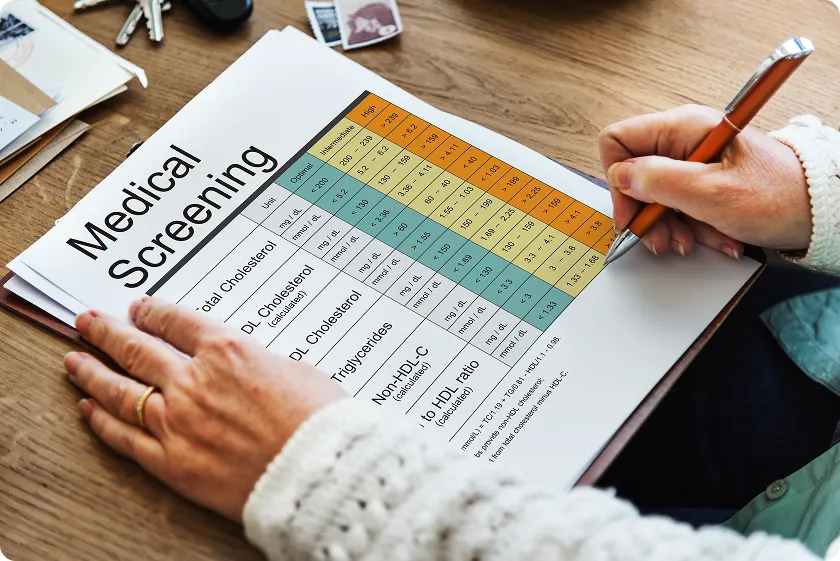
A statin intensity chart helps patients and healthcare providers understand how different statin medications lower cholesterol at various doses. Statins are among the most commonly prescribed drugs worldwide because they help reduce the risk of heart attack, stroke, and other cardiovascular diseases.
Not all statins work with the same strength. Some are considered moderate-intensity statin therapies, while others fall into the high-intensity statin category. Understanding the difference can help you better discuss treatment options with your doctor and understand why a certain dose was prescribed.
This guide explains statin dosage levels, compares medication strengths, and answers common questions such as “Is 20 mg of atorvastatin a low dose?” and “What is considered a high dosage of statins?” By the end, you’ll have a clearer understanding of how statins are classified and how they support long-term heart health.
What Is a Statin Intensity Chart?

A statin comparison chart groups statin medications by how much they reduce LDL cholesterol, often called “bad cholesterol.”
Doctors classify statins into three categories:
- Low-intensity statins: Lower LDL by less than 30%
- Moderate-intensity statins: Lower LDL by 30% to 49%
- High-intensity statins: Lower LDL by 50% or more
The purpose of a statin dosage chart is to help healthcare providers select the right therapy based on a patient’s:
- Age
- Cardiovascular risk
- Cholesterol levels
- Diabetes status
- History of heart disease
- Medication tolerance
Different statins have different strengths, which is why a statin potency chart is so useful.
Understanding Low, Moderate, and High-Intensity Statins
a) Low-Intensity Statins
Low-dose statins are usually prescribed for people with mild cholesterol elevations or those who cannot tolerate stronger doses.
Examples include:
- Simvastatin 10 mg
- Pravastatin 10–20 mg
- Lovastatin 20 mg
People often ask: Is 10 mg statin a low dose?
It depends on the medication. For example:
- Atorvastatin 10 mg is generally considered to be of moderate intensity.
- Simvastatin 10 mg is low intensity.
So, dosage alone does not determine strength—the specific drug matters too.
b) Moderate-Intensity Statins
A moderate intensity statin lowers LDL cholesterol by about 30% to 49%.
Common examples include:
- Atorvastatin 10–20 mg
- Rosuvastatin 5–10 mg
- Simvastatin 20–40 mg
- Pravastatin 40–80 mg
Moderate-intensity therapy is often recommended for:
- Adults with diabetes
- People over age 40 with elevated cardiovascular risk
- Patients needing balanced cholesterol reduction with fewer side effects
c) High-Intensity Statins
High-intensity statins reduce LDL cholesterol by at least 50%.
These include:
- Atorvastatin 40–80 mg
- Rosuvastatin 20–40 mg
These higher doses are commonly prescribed after:
- Heart attacks
- Stroke
- Coronary artery disease diagnosis
- Very high LDL cholesterol levels
People often wonder: Is 40 mg of statin a high dose?
Again, it depends on the medication:
- Atorvastatin 40 mg is high intensity.
- Pravastatin 40 mg is only of moderate intensity.
Complete Statin Intensity Chart

This statin equivalency chart provides a quick way to compare medication strengths across different statins.
| Statin Medication | Low Intensity | Moderate Intensity | High Intensity |
|---|---|---|---|
| Atorvastatin | — | 10–20 mg | 40–80 mg |
| Rosuvastatin | — | 5–10 mg | 20–40 mg |
| Simvastatin | 10 mg | 20–40 mg | — |
| Pravastatin | 10–20 mg | 40–80 mg | — |
| Lovastatin | 20 mg | 40 mg | — |
| Fluvastatin | 20–40 mg | 80 mg | — |
| Pitavastatin | 1 mg | 2–4 mg | — |
Caption: Statin dosage intensity categories based on average LDL cholesterol reduction.
6 Essential Dosage Insights You Should Know
1. Higher Dose Does Not Always Mean “Stronger.”
Different statins have different potencies. For example:
- Rosuvastatin is more potent than simvastatin.
- Atorvastatin works more aggressively than pravastatin.
That is why a statin conversion chart matters when switching medications. A lower milligram dose of one statin may outperform a higher dose of another.
2. Atorvastatin 20 mg Is Usually Moderate Intensity
Many patients ask: Is 20 mg of atorvastatin a low dose?
No. Atorvastatin 20 mg is typically considered a moderate intensity statin because it usually lowers LDL cholesterol by 30% to 49%. Doctors commonly prescribe this dose for:
- Diabetes management
- Elevated LDL cholesterol
- Moderate cardiovascular risk
3. High-Intensity Therapy Is Often Reserved for Higher-Risk Patients
High-intensity statins are commonly used when patients have:
- Existing heart disease
- Prior heart attack
- Stroke history
- Very high LDL cholesterol
- Multiple cardiovascular risk factors
The goal is aggressive LDL reduction to lower future cardiac risk.
4. Side Effects May Increase With Higher Doses
Most people tolerate statins well, but higher doses may increase the risk of:
- Muscle aches
- Fatigue
- Elevated liver enzymes
- Rare muscle injury
If side effects occur, doctors may:
- Lower the dose
- Change the statin
- Adjust dosing frequency
Never stop statins suddenly without medical advice.
5. Statin Equivalency Helps During Medication Changes
Doctors sometimes switch patients from one statin to another because of:
- Insurance coverage
- Drug interactions
- Side effects
- Better cholesterol control
A statin-equivalent dose guide helps maintain similar cholesterol-lowering effects during the transition.
For example:
- Atorvastatin 10 mg is roughly similar to rosuvastatin 5 mg in LDL reduction.
6. Lifestyle Changes Still Matter
Even the strongest statin works best when combined with healthy habits.
Important lifestyle strategies include:
- Eating more fiber
- Reducing saturated fat
- Exercising regularly
- Managing stress
- Avoiding smoking
- Limiting excess alcohol
Medication and lifestyle together offer the greatest heart protection.
How Doctors Choose the Right Statin Dose

Choosing the proper statin intensity depends on several factors.
Your LDL Cholesterol Level
Higher LDL levels may require stronger treatment.
Your Cardiovascular Risk
Doctors evaluate risk factors such as:
- Smoking
- Diabetes
- High blood pressure
- Family history
- Obesity
Your Age
Older adults may need lower doses due to increased sensitivity to medications.
Drug Interactions
Some statins interact with:
- Antibiotics
- Antifungal drugs
- Certain heart medications
- Grapefruit juice
Medication Tolerance
Patients who experience muscle symptoms may benefit from:
- Lower intensity therapy
- Alternate-day dosing
- Switching statins
Possible Side Effects and Safety Tips

Common Side Effects
Most side effects are mild and temporary.
They may include:
- Muscle soreness
- Headache
- Digestive discomfort
- Fatigue
Rare But Serious Effects
Rare complications include:
- Severe muscle breakdown
- Liver injury
- Increased blood sugar levels
Safety Checklist
Before Starting Statins
- Discuss all medications with your doctor
- Report liver disease history
- Mention prior muscle problems
- Ask about monitoring needs
While Taking Statins
- Take medication consistently
- Report unexplained muscle pain
- Attend follow-up cholesterol tests
- Maintain healthy habits
FAQ
1. What is considered a low-dose statin?
A low-dose statin lowers LDL cholesterol by less than 30%. Examples include simvastatin 10 mg and pravastatin 10–20 mg.
2. What is considered a high dosage of statins?
High-dose statins are therapies that reduce LDL cholesterol by 50% or more. Examples include atorvastatin 40–80 mg and rosuvastatin 20–40 mg.
3. Is 10 mg statin a low dose?
Not always. The answer depends on the specific statin medication. Atorvastatin 10 mg is moderate intensity, while simvastatin 10 mg is low intensity.
4. Is 20 mg of atorvastatin a low dose?
No. Atorvastatin 20 mg is generally classified as a moderate-intensity statin.
5. Is 40 mg of statin a high dose?
Sometimes. Atorvastatin 40 mg is high-intensity, but pravastatin 40 mg is moderate-intensity.
6. Why do doctors switch statins?
Doctors may switch statins because of side effects, cholesterol goals, insurance coverage, or drug interactions.
Conclusion
Understanding a statin intensity chart can make cholesterol treatment far less confusing. Different statins vary in strength, dosage, and effectiveness, which is why tools such as statin dosage, potency, and equivalency charts are valuable for both patients and healthcare providers.
Whether you are taking a moderate or high-intensity statin, the most important step is following your prescribed treatment plan and maintaining healthy lifestyle habits.
Internal Links
- Stroke Symptoms in Women: 8 Essential Early Warning Signs
- Gerd Relief: 7 Proven Tips to Manage Flare Ups
- Menopause Joint Pain: 7 Proven Relief Tips
External Links
- What is statin intensity and how should it guide my treatment?
- Navigating the Statin Intensity Chart for Optimal Heart Health
- 2026 MIPS Measure #438: Statin Therapy for the Prevention and Treatment of Cardiovascular Disease
Reference
- Rozani, V., Giladi, N., El-Ad, B., Gurevich, T., Tsamir, J., Hemo, B., & Peretz, C. (2017). Statin adherence and the risk of Parkinson's disease: A population-based cohort study. PLoS One, 12(4), e0175054.
- acne treatment mohali. https://www.estheticacosmetology.com/acne-treatment-mohali/
About the author
Healthy Eats Guide Team
Editorial Team
The Healthy Eats Guide editorial team researches and writes practical health and wellness content focused on clarity, sourcing, and everyday usefulness.
Related blogs

Chronic Migraine Treatment: 6 Essential Options Explained
Chronic migraine treatment options, including CGRP inhibitors and Botox, can reduce attack frequency. Explore six proven approaches and take control today.
10 min read

Mounjaro Fatigue: 5 Essential Facts to Know
Mounjaro fatigue can drain your day. Learn key tirzepatide side effects, causes of tiredness, and practical ways to restore energy. Read the guide.
8 min read

Exdensur for Asthma: 7 Essential Facts to Know
Exdensur for asthma: Learn Depemokimab uses, eosinophilic asthma treatment benefits, side effects, and dosage schedule. Read the facts today.
9 min read
Newsletter
Get practical health guides in your inbox
Occasional updates with clear nutrition, habits, and wellness reading — no spam, unsubscribe anytime.