

Table of contents
Introduction
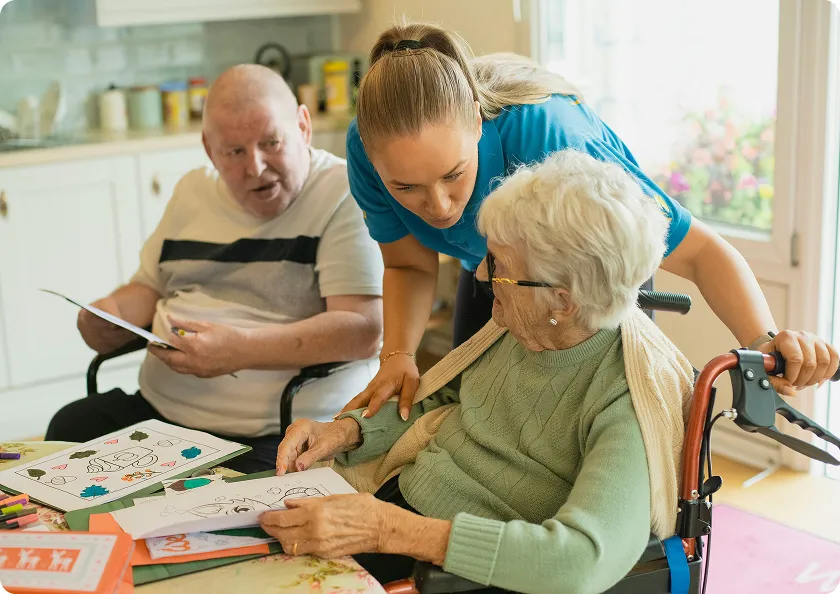
Creating an effective dementia care plan is essential for anyone supporting a loved one with memory loss. Dementia, including Alzheimer’s disease, affects cognitive function, behavior, and daily living activities. While each person’s journey is unique, a well-structured care plan ensures safety, dignity, and quality of life.
A thoughtful care plan not only addresses physical health but also emotional well-being. From establishing routines to engaging dementia patients at home, the right strategies can reduce stress, enhance memory function, and improve overall life satisfaction. This article provides 10 essential tips to help families, caregivers, and healthcare providers deliver compassionate and effective care.
Understanding Dementia and Its Impact
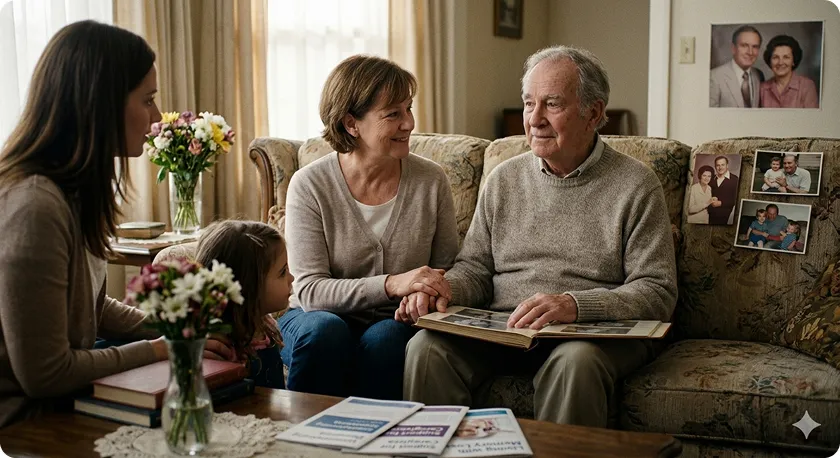
Dementia is a progressive condition that affects memory, thinking, and behavior. Many wonder, “Do people with dementia know they have it?” or “What do dementia patients think about?” While awareness varies by stage, understanding these changes is critical for providing patient-centered care.
Key points:
- Early dementia may present as forgetfulness, disorientation, or mood changes.
- Later stages can affect communication, Mobility, and self-care.
- Behavioral changes, including irritability or aggression, are sometimes misinterpreted; ask yourself, “Does dementia make you mean?” — often, it’s a symptom, not an intention.
1. Establish a Daily Routine for Early Dementia
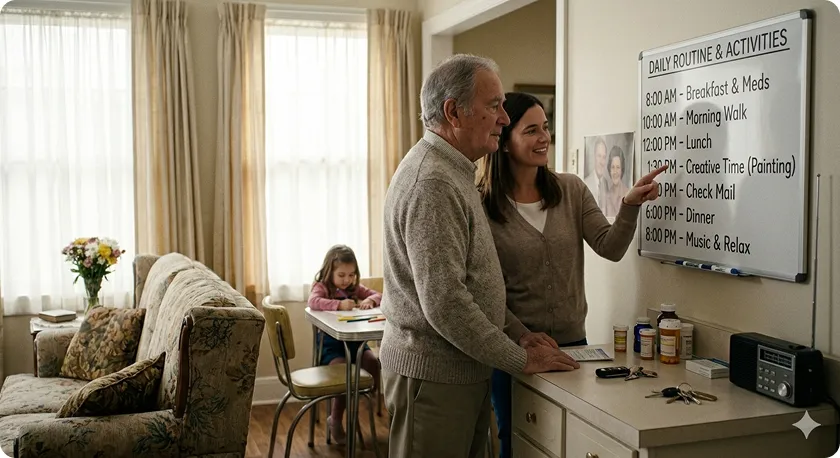
A consistent daily routine for early dementia provides structure and reduces anxiety. Predictable schedules help individuals retain independence and manage stress.
Tips for creating a routine:
- Wake up, meals, and bedtime at consistent times.
- Include daily activities for dementia patients at home, such as light exercises or hobby sessions.
- Use visual schedules or reminder notes for orientation.
- Allow flexibility for mood or energy changes.
2. Incorporate Activities for People with Dementia

Keeping the mind and body active is essential. Activities for people with dementia should be simple, engaging, and adapted to cognitive abilities.
Recommended activities:
- Cognitive stimulation: puzzles, memory games, or storytelling.
- Physical activity: walking, chair exercises, or gentle yoga.
- Creative engagement: drawing, painting, music, or crafts.
- Household involvement: folding laundry, gardening, or light cooking.
| Day | Activity Type | Example | Purpose |
|---|---|---|---|
| Mon | Cognitive | Memory cards | Boost recall |
| Tue | Physical | Short walk | Improve mobility |
| Wed | Creative | Painting | Emotional expression |
| Thursday | Social | Video call family | Maintain connections |
| Fri | Household | Gardening | Sense of accomplishment |
| Sat | Cognitive | Reading aloud | Mental stimulation |
| Sun | Physical | Chair exercises | Mobility & flexibility |
3. Optimize the Home Environment

A dementia-friendly environment reduces confusion and risk of injury.
Key strategies:
- Remove trip hazards and clutter.
- Label rooms and cupboards.
- Ensure good lighting and contrast for furniture.
- Use calendars, clocks, and memory aids throughout the house.
4. Focus on Nutrition and Hydration

Proper diet and hydration are essential for cognitive and physical health.
- Offer balanced meals with fruits, vegetables, proteins, and whole grains.
- Encourage hydration with water, soups, or juices.
- Consider small, frequent meals if appetite decreases.
5. Utilize Therapy for Dementia Patients

Therapy for dementia patients can include physical, occupational, speech, or music therapy. These interventions help maintain function and emotional well-being.
Benefits:
- Enhance Mobility and daily self-care.
- Reduce agitation and improve mood.
- Provide sensory stimulation and social interaction.
6. Monitor Physical Health and Nursing Interventions

Regular medical check-ups and nursing interventions for dementia ensure ongoing safety and health.
Recommended practices:
- Monitor vital signs, weight, and adherence to medication.
- Watch for changes in behavior, sleep, or appetite.
- Consult healthcare providers for vaccinations, dental care, and management of chronic conditions.
7. Build Strong Emotional Support

Dementia can be isolating and confusing. Emotional support improves the quality of life for both patients and caregivers.
Tips for emotional care:
- Offer reassurance and validation.
- Maintain eye contact and a calm tone.
- Engage in enjoyable activities together.
- Encourage reminiscence with photos or music.
8. Encourage Social Engagement
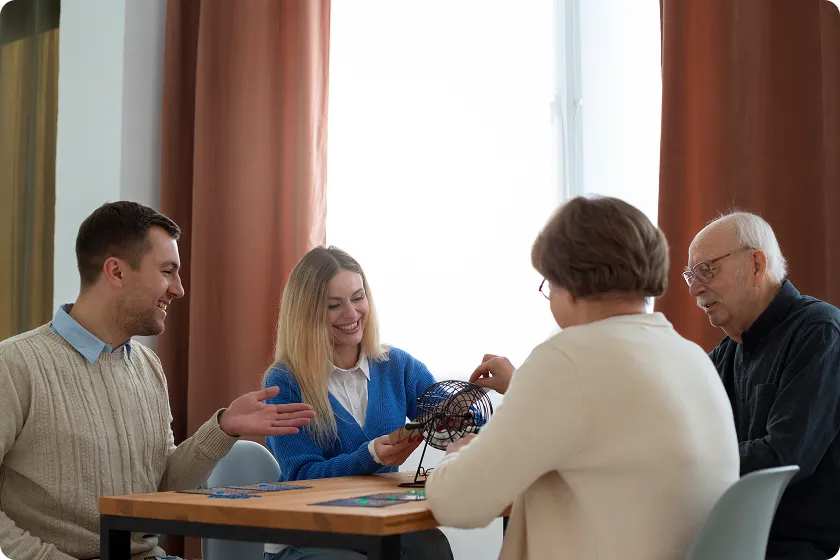
Socialization can slow cognitive decline and reduce depression.
- Invite family and friends for visits.
- Join a community or online support groups.
- Participate in group activities for patients with dementia.
9. Plan for Safety and Emergency Preparedness
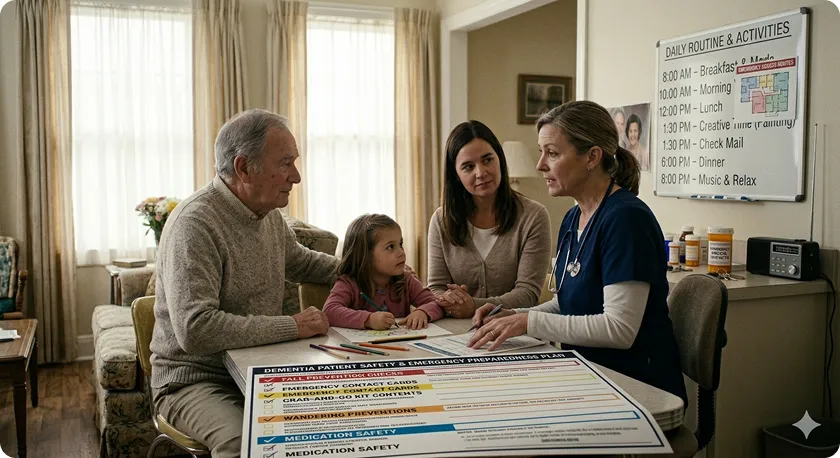
Safety planning is essential at all stages of dementia.
- Install locks and alarms where necessary.
- Keep a list of emergency contacts.
- Plan for wandering with GPS devices or ID bracelets.
- Discuss long-term care preferences early, especially in later stages.
10. Caregiver Self-Care and Support

Supporting someone with dementia can be physically and emotionally taxing. Caregiver skills and self-care are crucial.
Recommendations:
- Take breaks and schedule respite care.
- Join caregiver support groups.
- Practice stress-reducing activities such as meditation, hobbies, or exercise.
- Educate yourself on dementia stages, how long you can live with dementia, and the patient’s needs.
FAQ
1. How long can you live with dementia?
Life expectancy varies by type, age, and overall health. Early planning ensures a better quality of life for the years ahead.
2. Does dementia make you mean?
Behavioral changes are symptoms of the disease, not intentional malice. Understanding triggers helps manage frustration and aggression.
3. Do people with dementia know they have it?
Awareness depends on the stage. Early stages may include partial insight, while later stages often involve limited awareness.
4. What do dementia patients think about?
Thoughts often revolve around memories, familiar people, or feelings of security. Emotional well-being is closely tied to meaningful engagement.
5. What stage of dementia is wanting to go home?
A desire to return “home” often occurs in middle to late stages when familiarity and comfort become paramount.
Conclusion
A comprehensive dementia care plan combines daily routines, meaningful activities, therapy, and emotional support. By proactively addressing your loved one’s physical, cognitive, and emotional needs, you can enhance their quality of life while safeguarding your own well-being.
Start implementing these 10 essential tips today, and consult healthcare professionals for tailored guidance. For further insights on care for elderly parents and daily life in memory care facilities, explore our in-depth resources on dementia support strategies.
Internal Links
- Gerd Relief: 7 Proven Tips to Manage Flare Ups
- Menopause Joint Pain: 7 Proven Relief Tips
- Neck Pain at Base of Skull: 8 Proven Relief Tips
External Links
- Tips for Caregivers and Families of People With Dementia
- 10 Essential Dementia Caregiver Tips for Daily Care
- Caring for a Dementia Patient: The 10 Most Important Tips for Family
References
- How to Keep Your Fat Cat Healthy and Happy – Homepet24 Your Trusted Guide to Happy, Healthy Pets” https://homepet24.com/how-to-keep-your-fat-cat-healthy-and-happy/
- Dementia Caregiver Tips For Navigating Challenges – NCCDP https://www.nccdp.org/dementia-caregiver-tips-for-navigating-challenges/
- stages of dementia Archives – CJ & Associates Care Consulting https://www.cjcareconsulting.com/tag/stages-of-dementia/
- 10 Crucial Strategies for Crafting a Sales-Boosting Author Website – Web Design in East Sussex, Kent, Hastings and Eastbourne, from Rockhopper Digital https://rockhopperdigital.co.uk/10-crucial-strategies-for-crafting-a-sales-boosting-author-website/
- COA Sneak Peek April 2019 https://westonlibrary.org/CivicSend/ViewMessage/message/79892