
Introduction
Have you ever stepped outside on a breezy spring morning and suddenly started sneezing, rubbing your eyes, or feeling blocked up? These may be symptoms of pollen allergies, especially if they happen during certain seasons. Many people notice tree pollen allergy symptoms in spring, grass pollen allergy symptoms in late spring or summer, and weed pollen problems later in the year. This guide explains what pollen allergy is, the 5 Essential Signs, and simple steps to feel better.
Why Symptoms of Pollen Allergies Matter
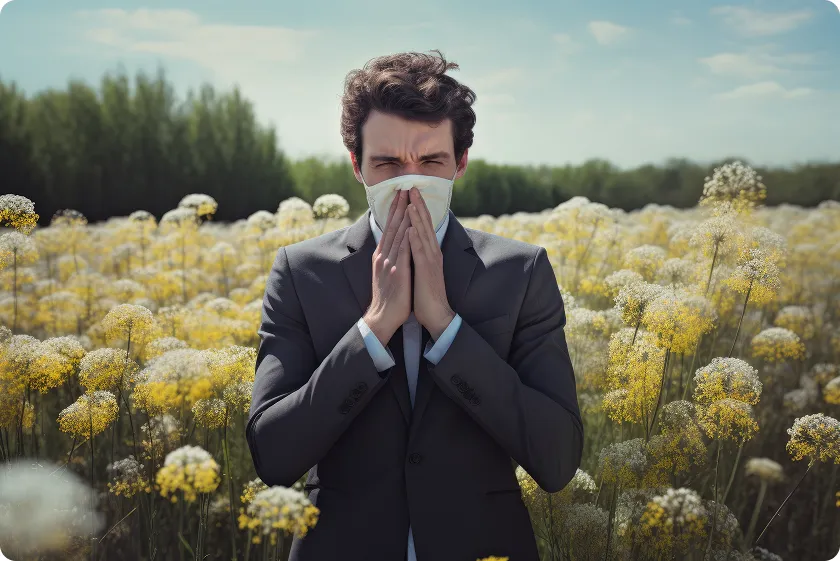
Understanding the symptoms of pollen allergies helps you avoid confusing allergies with a cold or flu. Pollen allergies, also called seasonal allergic rhinitis or hay fever, can cause sneezing, congestion, itchy eyes, and sinus pressure, but viruses do not. Mayo Clinic explains that hay fever symptoms often look cold-like, yet the trigger is an allergic reaction to substances such as pollen.
What is a pollen allergy?
What is pollen allergy? It happens when your immune system reacts too strongly to pollen from trees, grasses, or weeds. Instead of ignoring pollen, the body treats it like a threat and releases chemicals that irritate. This is why symptoms of pollen allergies can return every year during the same season.
Common Types of Pollen
The main types of pollen that trigger allergies usually come from trees, grasses, and weeds. AAFA notes that pollen allergies are commonly grouped into tree, grass, and weed pollen allergies. For example, oak allergy may flare in spring, while weed pollen often becomes worse in late summer or fall.
Can Pollen Make You Sick?
Many people ask, ” Can pollen make you sick? Pollen itself does not usually cause an infection, but it can make you feel sick because it causes inflammation, poor sleep, sinus pressure, coughing, and fatigue. If symptoms include fever, body aches, or thick, worsening mucus, it may be more than allergies.
Common Pollen Triggers and Timing
| Pollen Type | Common Season | Possible Symptoms |
|---|---|---|
| Tree Pollen | Early Spring | Sneezing, itchy eyes, and nasal congestion |
| Grass Pollen | Late Spring to Summer | Runny nose, cough, itchy throat |
| Weed Pollen | Late Summer to Fall | Nasal congestion, sinus pressure |
| Flower Pollen | Varies | Usually milder symptoms unless pollen is airborne |
5 Essential Signs of Pollen Allergies
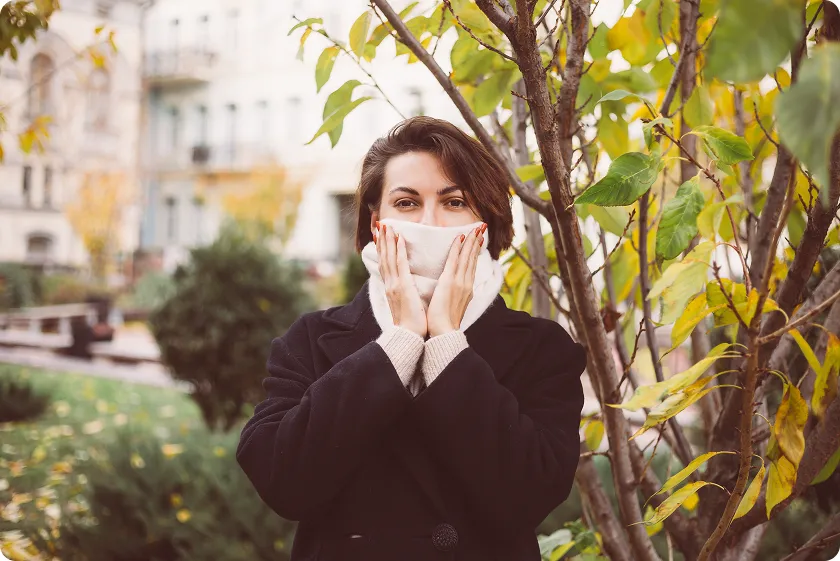
The symptoms of pollen allergies can look different from person to person. Some people mainly sneeze, while others get blocked sinuses, watery eyes, or a pollen allergy rash. Knowing these five signs helps you decide when to manage symptoms at home and when to speak with a doctor.
1. Sneezing and Runny Nose
Sneezing is one of the most common symptoms of pollen allergies. It often starts soon after you go outside, open windows, mow grass, or sit near plants. A runny nose from pollen is usually clear and watery, not thick like some infections.
Practical tip: Check pollen counts before outdoor activities and keep windows closed on high-pollen days.
2. Nasal Congestion and Sinus Pressure
Many readers ask, ” Can allergies cause congestion? Yes, pollen allergies can inflame the nasal passages and make the nose feel blocked. Mayo Clinic lists congestion and sinus pressure among common hay fever symptoms.
Practical tip: Saline nasal rinsing may help flush mucus and allergens from the nose. Mayo Clinic describes nasal irrigation as a low-cost way to relieve congestion.
3. Itchy, Red, or Watery Eyes
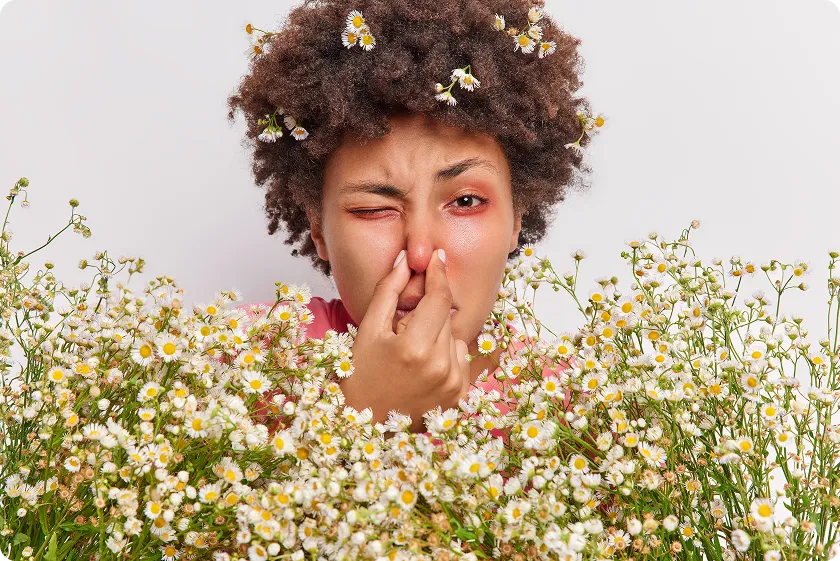
Eye irritation is another classic symptom of pollen allergies. Your eyes may burn, water, or feel gritty after outdoor exposure. This can happen with tree pollen allergy symptoms, grass pollen allergy symptoms, or weed pollen reactions.
Practical tip: Wear sunglasses outside and avoid rubbing your eyes because rubbing can make irritation worse.
4. Cough, Throat Itch, and Postnasal Drip
Pollen can irritate the nose and throat, causing mucus to drip down the back of the throat. This may lead to coughing, throat clearing, or a scratchy feeling. Cleveland Clinic notes that pollen allergy may cause a stuffy nose and cough after inhaling pollen from plants, trees, and grasses.
Practical tip: Drink water, shower after outdoor exposure, and change clothes after gardening or other outdoor activities.
5. Pollen Rash or Skin Irritation
A pollen allergy rash can occur when pollen comes into contact with sensitive skin. It may appear as redness, itching, small bumps, or irritated patches, especially on exposed areas like the face, neck, or arms. A pollen rash is not always dangerous, but it can be uncomfortable and may need medical advice if it spreads or becomes painful.
Practical tip: Wash exposed skin after being outdoors and use a gentle moisturizer to protect the skin barrier.
Allergy Symptoms vs Cold Symptoms
| Feature | Pollen Allergy | Common Cold |
|---|---|---|
| Fever | Usually No | Sometimes |
| Sneezing | Common | Common |
| Nasal Discharge | Often clear and watery | May become thicker over time |
| Itchy Eyes | Common | Less common |
| Duration | Weeks or seasonal | Usually several days |
| Trigger | Pollen exposure | Viral infection |
Supportive Habits and Tools for Relief

Managing pollen allergy symptoms is easier when you reduce exposure and treat them early. Seasonal allergies may start earlier than you expect, depending on the weather and your location. AAAAI explains that tree pollen often appears in early spring, grass pollen in late spring and early summer, and weed pollen in late summer and fall.
When Do Allergies Start?
When do allergies start? They often begin when the pollen season starts in your area. For some people, that means early spring with trees; for others, symptoms begin in summer with grass or fall with weeds. Warmer climates may have longer pollen seasons.
Why Do People Develop Allergies?
Why do people develop allergies? Allergies can develop when the immune system becomes sensitive to a substance it previously tolerated. Family history, environment, repeated exposure, and air pollution may all play a role. You can develop pollen allergies at any age, from childhood through adulthood.
Simple Daily Prevention Steps
Small habits can reduce symptoms of pollen allergies. Keep windows closed during high-pollen hours, shower before bed, wash hair after prolonged outdoor exposure, and dry clothes indoors when pollen counts are high. ACAAI also recommends knowing your specific pollen triggers so treatment and avoidance steps are more targeted.
Helpful tools include:
- Pollen forecast apps
- Sunglasses and masks for gardening
- HEPA air purifier for bedrooms
- Saline rinse bottle
- Doctor-approved antihistamines, nasal sprays, or eye drops
FAQ
1. Can pollen make you sick?
Yes, pollen can make you feel sick by causing sneezing, congestion, coughing, sinus pressure, itchy eyes, and fatigue. It usually does not cause a fever like an infection.
2. Can allergies cause congestion?
Yes, Allergies can inflame the nasal passages, causing a stuffy nose and sinus pressure. Saline rinses, avoiding pollen, and allergy medicines may help.
3. What are grass pollen allergy symptoms?
Grass pollen allergy symptoms often include sneezing, a runny nose, itchy eyes, cough, throat itch, and congestion. Symptoms may worsen after mowing the lawn or sitting on the grass.
4. Is pollen rash serious?
A pollen rash is usually mild, but it can be very itchy. See a doctor if the rash spreads, becomes painful, blisters, or comes with breathing trouble.
5. Is flower allergy the same as pollen allergy?
A flower allergy can involve pollen, but many flowers have heavier pollen spread by insects. Wind-blown pollen from trees, grasses, and weeds usually causes more allergy symptoms.
Conclusion
The symptoms of pollen allergies often include sneezing, a runny nose, congestion, itchy eyes, cough, throat irritation, and sometimes a pollen allergy rash. The 5 Essential Signs help you spot patterns and determine whether you may be experiencing tree pollen allergy symptoms, grass pollen allergy symptoms, weed pollen reactions, or another trigger.
By checking pollen counts, reducing outdoor exposure, rinsing your nose, and using doctor-approved treatments, you can breathe easier and enjoy the season with fewer symptoms.
Internal Links
- Stroke Symptoms in Women: 8 Essential Early Warning Signs
- Gerd Relief: 7 Proven Tips to Manage Flare Ups
- Menopause Joint Pain: 7 Proven Relief Tips
External Links
- How to Know if it’s Allergies or an Illness
- Pollen allergies: what can you do?
- Your Guide to Pollen Allergies and Their Treatment
Reference
- A Pet Owner’s Guide to Spring Cleaning This Allergy Season. https://gottagograss.com/blogs/gotta-go-grass-blog/a-pet-owner-s-guide-to-spring-cleaning-this-allergy-season
- Summer skin care: Could be the season of the itch – Los Angeles Times. https://www.latimes.com/health/la-he-summer-skin-20140802-story.html
- Can Babies Get Hayfever? Seasonal Allergies in Infants. https://www.privatemedicalclinic.com/post/can-babies-get-hayfever-understanding-seasonal-allergies-in-infants
- Spring Allergies: Symptoms, Triggers, and Effective Treatments. https://www.healthday.com/a-to-z-health/allergies/know-your-spring-allergens-and-the-meds-that-can-help-2
- Treatment for Allergies in Silver Spring, Maryland. https://www.marylandallergy.com/services/allergies