
Table of Contents
Introduction
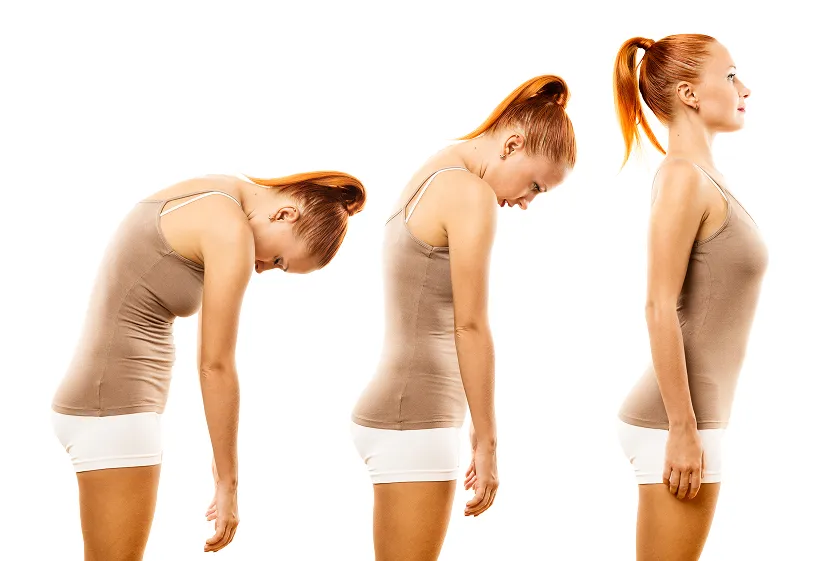
Have you noticed uneven shoulders, a tilted waist, or one side of the ribs sticking out more than the other? These may be early scoliosis symptoms, but many people miss them because minor scoliosis often causes little or no pain. This guide explains the main types of scoliosis, common causes of scoliosis, and when adult scoliosis treatment may help. By the end, you will know what signs to watch for, what questions to ask, and when to speak with a healthcare professional.
Why Scoliosis Symptoms Matter
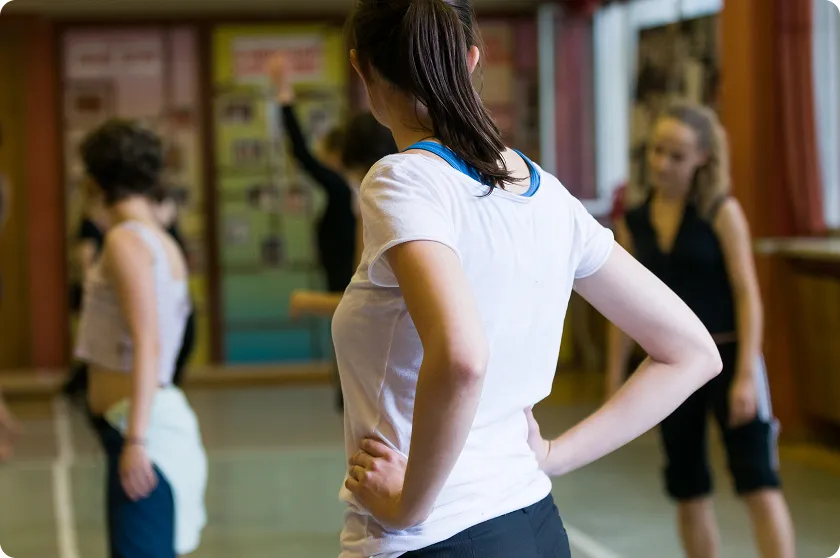
Scoliosis is a lateral curvature of the spine, meaning the spine curves to the side instead of remaining straight when viewed from behind. Some curves stay mild, while others may progress during growth or with age. Understanding scoliosis symptoms can help families notice changes early, especially when asking whether scoliosis causes back pain. The answer depends on age, curve size, and the underlying causes of scoliosis.
Uneven posture is often the first clue.
Early scoliosis symptoms are usually visible rather than painful. A parent may notice one shoulder sits higher, one hip looks raised, or clothing hangs unevenly. A child may appear to lean to one side even when standing straight. These signs do not confirm scoliosis, but they are worth checking.
Back pain can happen, especially in adults.
Many children with minor scoliosis have no pain. Adults are more likely to report stiffness, lower back pain, leg symptoms, or a stooped posture. This is why the question “Does scoliosis cause back pain?” has no one-size-fits-all answer. Pain is more common when spinal curvature is linked with aging, nerve pressure, or degenerative scoliosis.
Early checks can prevent bigger problems.
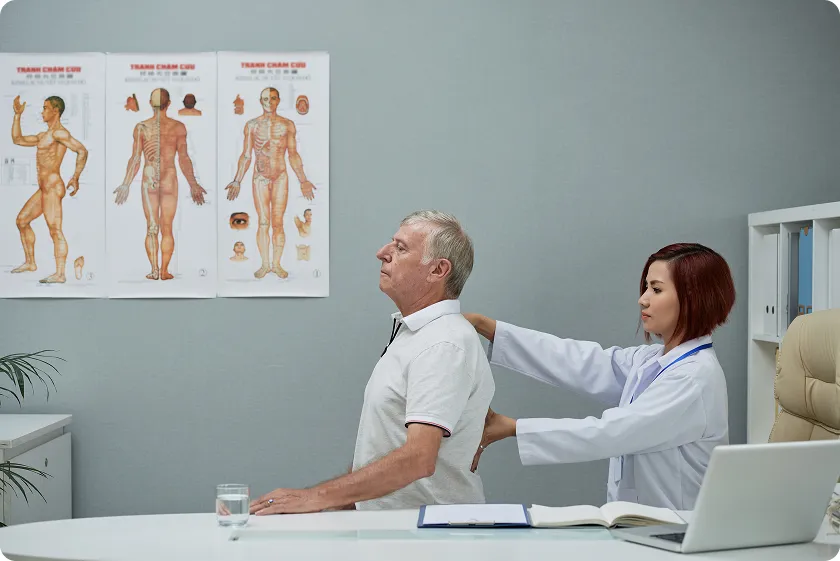
A healthcare professional may use a physical exam and X-ray to measure the curve. Mild curves may only need observation, while moderate curves in growing children may need bracing. Severe scoliosis may require specialist care if pain, breathing difficulties, or progression occur. Early guidance helps people avoid panic and choose the right next step.
| Sign or Symptom | What It May Suggest | Practical Next Step |
|---|---|---|
| Uneven shoulders | Possible spinal curvature | Book a posture check |
| One rib side sticks out | The spine may rotate with the curve | Ask about forward-bend screening |
| Uneven waist or hips | The body may be shifting to one side | Track changes with photos |
| Back pain in adults | Possible degenerative scoliosis | Discuss adult scoliosis treatment |
| Shortness of breath in severe cases | A large curve affecting chest space | Seek medical review quickly |
Table 1: Common scoliosis symptoms and what they may suggest
The 9 Essential Types of Scoliosis
Doctors may describe types of scoliosis by cause, age, curve pattern, or severity. This can feel confusing, especially when people ask, “Is scoliosis hereditary? Are you born with scoliosis, or what causes scoliosis in adults? The list below explains nine useful categories in simple language. Some categories overlap, so a trained clinician should always make a diagnosis.
1. Idiopathic scoliosis
Idiopathic scoliosis means the exact cause is not known. It is the most common type and often appears during growth years. Family history may play a role, so the question of whether scoliosis is hereditary is reasonable. Still, not every child with scoliosis has relatives with the condition.
2. Infantile scoliosis
Infantile scoliosis appears in children under age 3. Some curves improve, while others need careful monitoring. Parents may notice uneven posture during sitting, crawling, or standing. A pediatric spine specialist can explain whether the curve is mild or needs treatment.
3. Juvenile scoliosis
Juvenile scoliosis usually appears between the ages of 4 and 10. Because children still have years of growth ahead, doctors may closely monitor progression. Bracing may be discussed if the curve is moderate and worsening. Regular follow-ups are important because growth can change the curve.
4. Adolescent idiopathic scoliosis
Adolescent idiopathic scoliosis often appears around puberty. It may be found during school screening, a sports physical, or a routine checkup. Teens may feel embarrassed about changes in posture, but most can still stay active. Treatment depends on the curve size, remaining growth, and symptoms.
5. Congenital scoliosis
Congenital scoliosis forms before birth because some spinal bones do not develop normally. This answers the question, “Are you born with scoliosis?” Sometimes, yes. It may be noticed at birth or later in childhood. Doctors usually monitor growth and curve behavior over time.
6. Neuromuscular scoliosis
Neuromuscular scoliosis is linked with conditions that affect nerves or muscles. Examples include cerebral palsy and muscular dystrophy. Because muscle control supports posture, weakness can allow the spine to curve. Care often involves a team approach, not only a back-focused plan.
7. Degenerative scoliosis
Degenerative scoliosis often develops in adulthood due to age-related changes in discs, joints, and spinal support structures. It is one answer to the question of what causes scoliosis in adults. Pain may worsen with standing or walking and improve with rest. Adult scoliosis treatment may include physical therapy, activity changes, pain care, or surgery in selected cases.
8. Syndromic scoliosis
Syndromic scoliosis occurs in the context of a broader genetic or medical syndrome. The curve is only one part of the person’s health picture. Treatment must consider the full condition, not just the spine. This is why specialist evaluation is important when other body-system symptoms accompany scoliosis.
9. Severe scoliosis
Severe scoliosis refers to a large or progressive curve, not a separate cause. Severe scoliosis may affect posture, comfort, movement, and, rarely, breathing. The key question is not only whether you can fix scoliosis, but how much correction is safe and useful. A spine specialist can explain realistic goals.
| Type | Common Age/Group | Main Concern |
|---|---|---|
| Idiopathic | Children/teens | Unknown cause, possible family link |
| Infantile | Under 3 years | Early curve monitoring |
| Juvenile | Ages 4–10 | Growth-related progression |
| Adolescent Idiopathic | Age 10+ and teens | Most common teen pattern |
| Congenital | Present from birth | Spine bone formation differences |
| Neuromuscular | People with nerve or muscle conditions | Muscle control and posture |
| Degenerative | Older adults | Wear-and-tear changes |
| Syndromic | People with genetic or medical syndromes | Whole-body condition |
| Severe Scoliosis | Any age | Pain, progression, and function |
Table 2: Quick comparison of the 9 types of scoliosis
What To Do Next: Diagnosis, Treatment, and Daily Support
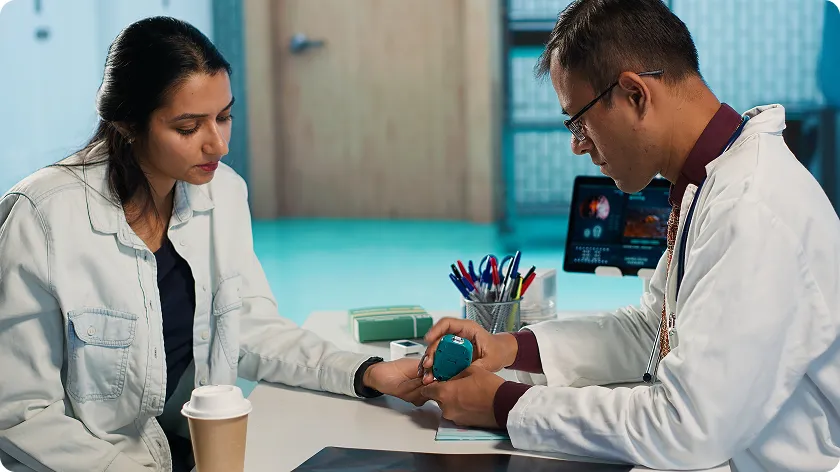
Knowing the types of scoliosis is useful, but action matters more than labels. If scoliosis symptoms are visible, a professional exam can separate normal posture variation from true spinal curvature. The right plan depends on age, symptoms, curve size, and the cause of scoliosis. For adults who ask, ‘Can you fix scoliosis?’ treatment often focuses on pain control, strength, mobility, and quality of life.
Get properly assessed
A doctor may check posture, shoulder height, rib shape, and movement. X-rays can measure the curve and help classify scoliosis as minor, moderate, or severe. Families should avoid self-diagnosis based solely on photos. A clear measurement makes treatment decisions safer.
Understand treatment options
Observation is common for mild curves that are not progressing. Bracing may help some growing children with moderate curves avoid worsening. Physical therapy can support strength, balance, and comfort. Surgery is usually considered only when curves are severe, progressing, or causing major problems.
Build supportive daily habits.
Regular movement can help posture, confidence, and general back health. Walking, swimming, stretching, and guided strengthening may be useful when approved by a clinician. Good sleep, healthy weight, and ergonomic school or work setups may reduce strain. These habits do not replace medical care, but they support the treatment plan.
FAQ
1. Is scoliosis hereditary?
Scoliosis can run in families, especially idiopathic scoliosis. However, many people with scoliosis have no known family history. Genetics may increase risk, but it is not the only factor.
2. Does scoliosis cause back pain?
Children with mild scoliosis often have no pain. Adults are more likely to feel back pain, stiffness, or leg symptoms, especially with degenerative scoliosis or nerve pressure.
3. Can you fix scoliosis?
Some curves can be managed, slowed, or partly corrected. Treatment may include observation, bracing, therapy, or surgery. The goal depends on age, curve size, symptoms, and safety.
4. Were you born with scoliosis?
Some people are born with congenital scoliosis due to differences in the formation of spinal bones before birth. Others develop scoliosis later in growth or adulthood, or due to another condition.
5. What causes scoliosis in adults?
Adult scoliosis may come from untreated childhood curves or age-related spinal changes. Degenerative scoliosis often involves discs, joints, and spinal support structures wearing down unevenly.
Conclusion
Scoliosis symptoms can be subtle, especially when the curve is mild. The most important signs include uneven shoulders and hips, rib prominence, a leaning posture, and back pain in some adults. Learning the main types of scoliosis, possible scoliosis causes, and options for adult scoliosis treatment helps you take action without fear.
Internal Links
- Can You Get Norovirus Twice? 7 Essential Facts to Know
- Statin Intensity Chart: 6 Essential Dosage Insights
- Dementia Care Plan: 10 Essential Tips for Better Support
External Links
References
- Sciatica Relief Through Gentle, Targeted Osteopathic Care. https://riversidewellness.com.au/sciatica/
- Scoliosis | Serthify. https://www.serthify.com/en/skoliose