
Table of contents
Introduction
The causes of gallstones are often misunderstood, yet they affect millions of people worldwide. Many individuals only discover the issue after experiencing sudden discomfort, such as gallbladder pain after eating, especially after fatty meals. This condition, also known as cholelithiasis, can silently develop for years before symptoms appear.
Understanding the causes of gallstones is the first step toward effective prevention of cholelithiasis and the avoidance of painful complications. In this article, you will learn how gallstones form, what increases your risk, what the pain feels like, and most importantly, 7 proven prevention tips you can apply in daily life. By the end, you’ll have a clear, practical guide to protect your gallbladder health naturally.
Why Understanding Causes of Gallstones Matters
The causes of gallstones are not just medical facts. They directly affect how you eat, live, and manage long-term health. Gallstones can range from tiny grains to large stones that block bile flow, leading to severe discomfort.
Many people ignore early signs, such as mild digestive issues or occasional bloating. However, understanding the causes of gallstones helps prevent complications such as gallbladder inflammation or infection.
Why early awareness is important
Understanding the causes of gallstones can help you:
- Reduce the risk of emergency gallbladder surgery
- Improve digestion and fat metabolism
- Prevent long-term liver and bile duct issues
Risk groups you should know
Certain individuals are more likely to develop gallstones due to underlying biological and lifestyle factors.
| Risk Group | Why It Matters |
|---|---|
| Women (especially over age 40) | Hormonal changes can affect bile composition and increase the risk of gallstones |
| Overweight individuals | Excess body weight can increase cholesterol levels in bile, promoting gallstone formation |
| People with high-fat diets | High-fat eating patterns may contribute to slower bile emptying and gallstone development |
| People with diabetes | Higher triglyceride levels and metabolic changes can increase the risk of gallstones |
This illustrates the profound connection between the causes of gallstones and lifestyle and metabolic health.
How pain relates to early causes
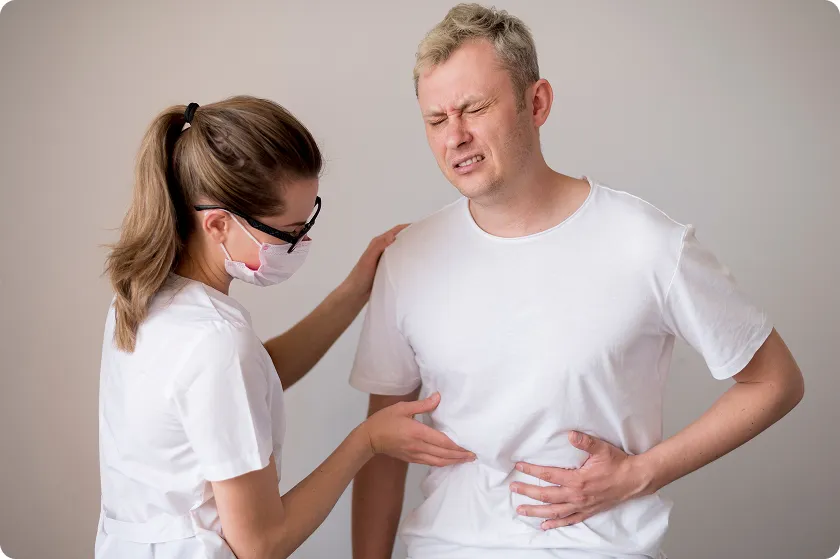
Many people ask, “What does gallstone pain feel like? It typically presents as a sharp or dull pain in the upper right abdomen, often following meals. This is directly linked to early causes of gallstones, where bile flow becomes blocked.
How Gallstones Form and Their Core Causes
To understand the causes of gallstones, we must first understand how they form. Gallstones develop when bile in the gallbladder becomes imbalanced, with too much cholesterol, too much bilirubin, or not enough bile salts.
This imbalance leads to crystallization, which gradually turns into stones. Over time, these stones may grow larger, causing complications.
How gallstones are formed step by step
Gallstone formation is a slow process influenced by diet, hormones, and metabolism.
| Stage | What Happens |
|---|---|
| Bile imbalance | Excess cholesterol, bilirubin, or other substances make bile more likely to form crystals |
| Crystallization | Tiny solid particles begin forming within the bile |
| Stone growth | Small crystals gradually combine and enlarge into gallstones |
| Blockage | A stone may obstruct a bile duct, causing pain, inflammation, and possible complications |
This table explains how the causes of gallstones progress over time inside the body.
Major biological causes
Several internal factors contribute to gallstone formation:
- Excess cholesterol in bile
- Poor gallbladder emptying
- Liver overproduction of bilirubin
- Hormonal changes (especially estrogen)
These are the main causes of gallstones that doctors often identify in patients with cholelithiasis.
External lifestyle triggers
Lifestyle also plays a major role in the causes of gallstones:
- High-fat, low-fiber diet
- Rapid weight loss or crash diets
- Sedentary lifestyle
- Irregular meal timing
Can gallstones go away on their own?
A common question is: Can gallstones go away on their own? In most cases, no. Once formed, gallstones usually remain unless treated medically or surgically. This highlights the importance of addressing gallstone causes early.
7 Proven Prevention Tips for Gallstones

Preventing gallstones is possible when you actively manage the causes of gallstones. These 7 strategies are scientifically supported and easy to apply in daily life.
1. Maintain a healthy weight gradually
Sudden weight loss is one of the hidden causes of gallstones. Instead, aim for slow, steady weight loss through a balanced diet and exercise.
2. Eat a high-fiber diet
Fiber improves digestion and reduces cholesterol buildup in bile. Good sources include:
- Whole grains
- Fruits
- Vegetables
- Legumes
3. Avoid high-fat processed foods
Fatty and fried foods worsen bile imbalance. This increases the risk of gallstones and may trigger gallbladder pain after eating.
4. Stay physically active
Exercise helps regulate cholesterol levels and improves gallbladder function.
5. Don’t skip meals
Irregular eating habits can contribute to bile stasis, a hidden cause of gallstones.
6. Stay hydrated
Water helps maintain bile fluidity and reduces the risk of stone formation.
7. Monitor hormonal changes
Women are more prone to gallstones due to estrogen levels. This is a key factor in the causes of gallstones in women.
Foods that help prevent gallstones
| Food Type | Potential Benefit |
|---|---|
| Leafy greens | May support healthy bile flow and provide fiber and nutrients |
| Citrus fruits | May help support healthy cholesterol metabolism and overall digestive health |
| Oats | Rich in soluble fiber, which supports digestion and healthy cholesterol levels |
| Fish (omega-3 sources) | May help reduce inflammation and support heart and metabolic health |
These foods help reduce the risk factors for gallstones naturally.
FAQ
1. Can gallstones go away on their own?
No, gallstones usually do not dissolve naturally. Medical treatment is often required, depending on size and symptoms.
2. What does gallstone pain feel like?
It feels like sharp or cramping pain in the upper right abdomen, often after eating fatty meals.
3. Can you pass gallstones naturally?
Small stones may pass, but most remain in the gallbladder unless treated medically.
4. Do gallstones cause diarrhea?
Yes, in some cases, gallstones can affect digestion and cause irregular bowel movements.
5. How are gallstones formed?
They form when bile becomes imbalanced, leading to the buildup of cholesterol or bilirubin crystals.
Conclusion
The causes of gallstones are closely linked to diet, lifestyle, and internal metabolic factors. From hormonal changes to unhealthy eating habits, multiple risks contribute to gallstone formation. By understanding the causes of gallstones, you can take early steps to prevent cholelithiasis and avoid painful symptoms like postprandial gallbladder pain. Remember that early lifestyle changes are the most effective defense.
If you found this guide helpful, share it with others, leave a comment with your questions, or explore more health-related articles to stay informed.
Internal Links
- Allergy Injection Treatment: 5 Essential Allergy Shots for Seasonal Allergies
- What Are Nasal Polyps: 7 Proven Nasal Polyps Symptoms
- What is the Difference Between Perimenopause and Menopause?
External Links
- How to Prevent Gallstones: Tips for a Healthy Gallbladder
- FIVE SAFE TIPS FOR THE PREVENTION OF GALLSTONE
- How to Treat Gallstones: Home Remedies and Other Treatments
Reference
- 10 Proven Healthy Ways to Lose Weight Without Sacrificing Nutrition – Doctors Lounge. https://doctorsloungeofficial.com/10-proven-healthy-ways-to-lose-weight-without-sacrificing-nutrition/