

Table of contents
Introduction
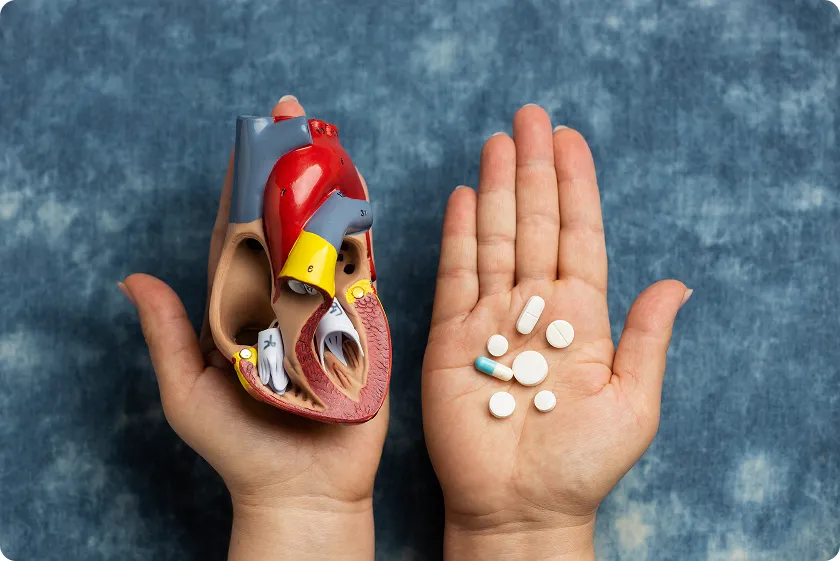
Heart blockage treatment is among the most searched health topics today because chest discomfort, breathlessness, and fatigue are increasingly common even among younger adults. Many people worry when they hear terms like symptoms of clogged arteries or are diagnosed with early heart issues without fully understanding what it means.
In simple terms, heart blockage usually refers to Coronary Artery Disease (CAD), where fatty deposits restrict blood flow to the heart. This article will clearly explain heart blockage treatment, the role of CAD medications, stages of disease progression, and practical ways to manage or slow it down.
You will also learn how doctors decide treatment plans, what medicines are commonly used, and how lifestyle changes support recovery. By the end, you’ll have a realistic and evidence-based understanding of your heart health options.
Why Heart Blockage Treatment Matters

Heart-related conditions are among the leading causes of death worldwide. Early and effective heart blockage treatment can significantly reduce the risk of heart attacks and long-term complications. The challenge is that many people ignore early warning signs.
Common symptoms of clogged arteries include chest tightness, shortness of breath, fatigue, and sometimes pain spreading to the arm or jaw. However, these symptoms may appear only when blockage is already moderate to severe, making early intervention critical.
Understanding heart blockage treatment helps people take action before irreversible damage occurs. It also improves quality of life by reducing hospitalizations and emergency procedures.
Why early treatment is critical
Early heart blockage treatment focuses on slowing plaque buildup and improving blood flow before arteries become critically narrowed. Doctors often combine medications with lifestyle changes to prevent progression.
Risk awareness saves lives
People with diabetes, high cholesterol, or a family history of heart disease are at higher risk of Coronary Artery Calcification. Awareness allows earlier diagnosis and better outcomes.
Real-life example
A 45-year-old patient with mild chest discomfort was diagnosed with mild CAD during a routine checkup. With early heart blockage treatment, including medication and diet changes, progression was successfully slowed.
Stages of Coronary Artery Disease and Treatment Approach

To understand heart blockage treatment, it’s important to know how Coronary Artery Disease progresses. Treatment depends heavily on the stage of the disease.
Early stage (Non-obstructive CAD)
At this stage, arteries have plaque buildup but no major blockage. Symptoms may be absent or mild. Heart blockage treatment focuses on prevention, cholesterol control, and lifestyle modification.
Moderate stage (Mild to moderate CAD)
Plaque narrows arteries, but blood flow is still partially maintained. Patients may experience chest discomfort during exertion. Medication becomes essential at this stage.
Advanced stage (Severe CAD / Triple vessel disease)
Multiple arteries are significantly blocked, increasing heart attack risk. Aggressive heart blockage treatment is required, often combining multiple medications and sometimes surgical procedures.
| Stage | Condition | Common Symptoms | Treatment Focus |
|---|---|---|---|
| Early | Non-obstructive coronary artery disease (CAD) | Often no symptoms | Risk-factor reduction, healthy lifestyle, and medications such as statins when indicated |
| Moderate | Mild coronary artery disease | Chest discomfort (especially with exertion), shortness of breath | Medications, lifestyle changes, and management of risk factors |
| Advanced | Severe coronary artery disease (including possible triple-vessel disease) | Chest pain, fatigue, shortness of breath, reduced exercise tolerance | Intensive medical therapy and, when appropriate, procedures such as angioplasty or coronary artery bypass surgery |
Table 1: Stages of Coronary Artery Disease and Treatment Focus
7 Proven CAD Medications for Heart Blockage Treatment
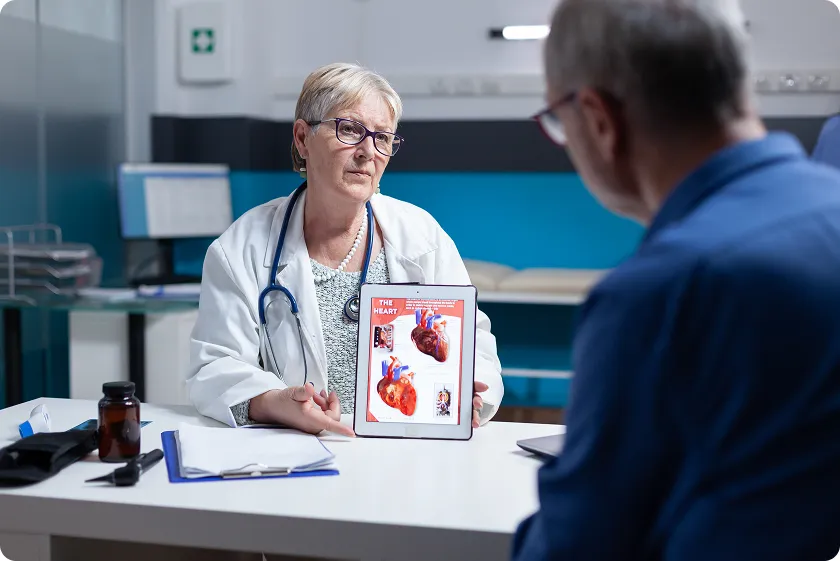
Medications are the backbone of modern heart blockage treatment. They help control cholesterol, blood pressure, and clot formation, reducing strain on the heart.
1. Statins (Cholesterol control)
Statins reduce LDL cholesterol, slowing plaque buildup. They are the most commonly prescribed drugs in heart blockage treatment.
2. Antiplatelet drugs (e.g., Aspirin)
Aspirin helps prevent clot formation that can block narrowed arteries.
3. Beta-blockers
These reduce heart rate and oxygen demand, making them essential in treating heart blockage in patients with angina.
4. ACE inhibitors
They relax blood vessels and improve blood flow, reducing pressure on the heart.
5. Calcium channel blockers
These medications improve blood supply to the heart muscle and reduce chest pain.
6. Nitrates
Nitrates provide quick relief from chest pain by widening blood vessels.
7. PCSK9 inhibitors
Used in severe cases, they dramatically lower LDL cholesterol when statins are not enough.
| Medication Type | Main Function | Role in Heart Blockage Treatment |
|---|---|---|
| Statins | Lower LDL cholesterol helps stabilize plaque | Reduce plaque progression and lower the risk of heart attack and stroke |
| Aspirin | Helps prevent blood clots | Reduces the risk of heart attack in selected patients as advised by a healthcare provider |
| Beta-blockers | Reduce heart rate and the heart’s workload | Help control angina and lower the heart’s oxygen demand |
| ACE inhibitors | Relax blood vessels and lower blood pressure | Improve circulation and help protect the heart, especially in people with high blood pressure or heart failure |
| Calcium channel blockers | Relax blood vessels and improve blood flow | Reduce chest pain (angina) and help control blood pressure |
| Nitrates | Dilate blood vessels | Provide rapid relief of angina symptoms and improve blood flow to the heart |
| PCSK9 inhibitors | Produce a substantial reduction in LDL cholesterol | Used for selected people with advanced coronary artery disease or very high cholesterol despite other therapy |
Table 2: CAD Medications and Their Functions
Supportive Habits for Better Heart Health

Medications alone are not enough for long-term treatment of heart blockage. Lifestyle habits play a major role in slowing disease progression.
Diet changes
A heart-healthy diet reduces arterial plaque buildup. Foods rich in fiber, omega-3 fatty acids, and antioxidants support better blood flow and reduce inflammation.
Physical activity
Regular walking or moderate exercise improves circulation and reduces symptoms of clogged arteries over time.
Stress management
Chronic stress can worsen CAD progression. Relaxation techniques support overall outcomes in heart blockage treatment.
Medical monitoring
Regular checkups, ECG, and imaging tests help track disease progression.
Diagnosis and Home Awareness

Many people ask about how to check heart blockage at home. While a full diagnosis requires medical testing, some awareness signs are useful.
Common diagnostic tools
Doctors use ECG, stress tests, angiography, and imaging to evaluate artery health.
Can an echocardiogram detect blockages?
An echocardiogram can show heart function but may not directly detect all blockages. It is often combined with other tests.
| Test | What It Shows | Accuracy |
|---|---|---|
| Electrocardiogram (ECG) | Evaluates heart rhythm and can detect signs of prior or ongoing heart injury | Basic screening, limited for detecting coronary artery blockages by itself |
| Echocardiogram | Assesses heart structure, pumping function, and valve function | Moderate for identifying the effects of coronary artery disease rather than blockages directly |
| Cardiac stress test | Evaluates how the heart performs during exercise or medication-induced stress | Good for detecting reduced blood flow caused by significant coronary artery disease |
| Coronary angiography | Directly visualizes coronary artery narrowing or blockage | High, considered the reference standard for defining coronary artery blockages |
Table 3: Common Diagnostic Methods
FAQ
1. What is the best heart blockage treatment for early CAD?
Early heart blockage treatment usually includes statins, diet changes, and exercise. Doctors focus on preventing plaque buildup rather than aggressive intervention.
2. Can CAD medications remove plaque in arteries?
No medication fully removes plaque, but CAD medications can stabilize and reduce progression, improving long-term heart health.
3. How to reduce plaque in arteries naturally?
Healthy eating, regular exercise, and cholesterol control support heart blockage treatment and slow plaque accumulation.
4. What is the treatment for severe coronary artery calcification?
Severe Coronary Artery Calcification requires intensive medication and sometimes surgical procedures.
5. Can non-obstructive CAD become dangerous?
Yes, even non-obstructive CAD can progress over time if untreated, making early heart blockage treatment essential.
Conclusion
Heart blockage treatment is not just about medicines. It is a comprehensive approach that includes early diagnosis, CAD medications, and lifestyle changes. Understanding stages of coronary artery disease, recognizing early symptoms, and following treatment plans can significantly reduce risks.
Internal Links
- Can You Get Norovirus Twice? 7 Essential Facts to Know
- Statin Intensity Chart: 6 Essential Dosage Insights
- Dementia Care Plan: 10 Essential Tips for Better Support
External Links
- Treatments for Coronary Artery Disease: A Complete Guide
- Medication for Coronary Artery Disease
- Medicines for Coronary Artery Disease (CAD)
References
- Chronic Kidney Disease Specialists – Northwest Clinic Day Surgical. https://northwestclinic.org/chronic-kidney-disease-specialists/
- Understanding Nimotop – Uses, Classification, Overdose Information, Patient Success Stories, and Future Advancements in Cardiovascular Medication. https://www.vcu-ntc.org/understanding-nimotop-uses-classification-overdose-information-patient-success-stories-and-future-advancements-in-cardiovascular-medication.html
- Cut Heart Disease Risk by 60 Percent With This Polyphenol | Institute for Natural Healing. https://www.institutefornaturalhealing.com/2014/02/cut-heart-disease-risk-by-60-percent-with-this-polyphenol/
- Is Esophageal Cancer Curable? | ITC. https://www.immunitytherapycenter.com/blog/is-esophageal-cancer-curable/
- Renante Deguito, Author at NewDeaths. https://newdeaths.com/author/r3nant3/