
Aching Joints and Diabetes: 9 Essential Tips for Relief
Aching joints and diabetes? Ease diabetic hand stiffness with 9 practical relief tips for better daily comfort. Read now.
By Healthy Eats Guide Team
Published
9 min read

Introduction
Do your knees, hands, feet, or back feel sore more often since diabetes became part of your life? Aching joints and diabetes can feel confusing because the pain may come from nerves, inflammation, stiffness, poor circulation, or pressure on the feet and legs. Some people also notice a stiff diabetic hand, while others feel discomfort in their legs, especially at night or after walking. This guide explains why it happens, what warning signs matter, and the simple daily steps that may help you feel better and protect your long-term health.
Why Aching Joints and Diabetes Matter
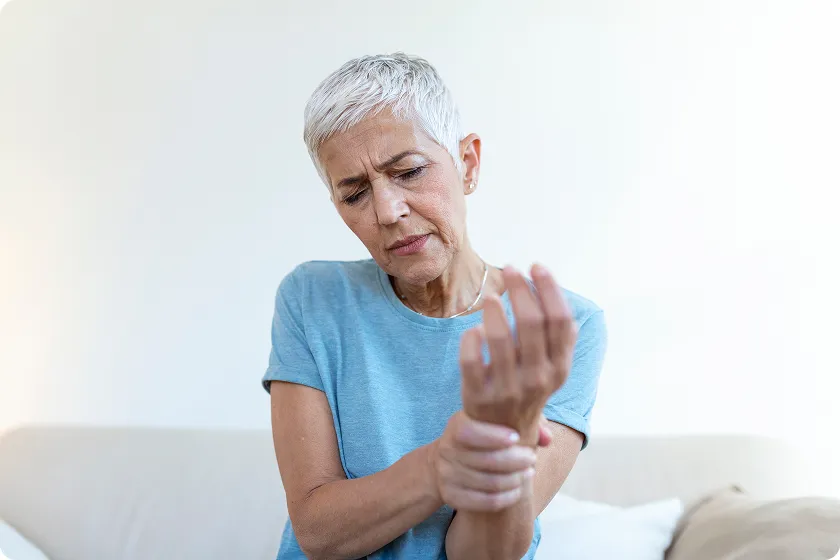
Joint pain is not just "normal aging" when diabetes is involved. High blood sugar over time can affect nerves, blood vessels, tendons, skin, and joints. Many people also ask whether pain increases blood sugar, because painful flare-ups can make glucose harder to manage. Understanding the link between aching joints and diabetes helps you take action early, rather than waiting until stiffness or leg pain gets worse.
1. Track Pain and Blood Sugar Together
Pain and blood sugar can affect each other more than many people realize. The American Diabetes Association explains that stress and pain can raise glucose levels in some people. So, if you wonder whether pain can raise blood sugar or increase blood sugar, the answer is yes, it may happen. A simple tracking habit can show patterns your doctor may miss in a short visit.
Try this for 7 days:
| What to Track | Example | Why It Helps |
|---|---|---|
| Pain location | Hands, knees, back, feet | Identifies recurring problem areas |
| Pain level | 1–10 scale | Helps measure changes and treatment effectiveness |
| Blood sugar | Before and after a pain flare | May reveal glucose-related patterns |
| Activity | Walking, sitting, lifting | Helps identify triggers or aggravating factors |
| Food and sleep | High-carb meal, poor sleep | Can uncover lifestyle factors linked to symptoms |
Caption: Simple Pain and Blood Sugar Tracking Table
2. Notice Diabetic Hand, Warning Signs
A stiff diabetic hand can be linked with diabetic cheiroarthropathy, also called diabetic stiff hand syndrome. This condition may make it harder to straighten or fully bring the fingers together. Some people notice waxy or tight skin on the hands. The earlier you notice cheiropathy of diabetes, the easier it may be to manage stiffness with medical advice and gentle movement.
A useful home clue is the "prayer sign." Place both palms together like you are praying. If the fingers do not touch fully, or your hands feel tight, discuss it with your healthcare provider.
3. Take Leg Pain Seriously
Leg discomfort is common, but diabetic legs need special attention. Type 2 diabetes symptoms of leg pain may include burning, tingling, numbness, cramps, heaviness, or pain that worsens at night. The CDC notes that diabetic nerve damage often starts in the feet and can move upward. So, diabetic leg sores should not be ignored.
Check your feet and legs daily for:
- Cuts, blisters, swelling, or redness
- Numbness, burning, or tingling
- Warm areas, color changes, or wounds that heal slowly
- Pain that changes your walking style
Core Action Steps for Joint Relief

Relief starts with small, repeatable actions. You do not need a perfect routine to improve aching joints and diabetes symptoms. You need safe movement, smart pain control, and regular medical checks. These steps also matter if you are asking, "Can diabetes cause your back to hurt, because back pain may come from posture, weight, nerve irritation, inactivity, or another condition.
4. Move Joints Gently Every Day
Movement keeps joints flexible and supports blood sugar control. Low-impact exercise is often safer for sore knees, feet, or diabetic legs than high-impact workouts. Walking, swimming, chair exercises, and gentle cycling may help reduce stiffness without overloading joints. Start slowly if pain has made you inactive.
A simple beginner plan:
- 5 minutes of gentle walking after meals
- Hand stretches for diabetic hand stiffness
- Calf raises while holding a chair
- Shoulder circles and ankle circles daily
5. Use Heat, Cold, and Stretching Wisely
Heat can relax stiff joints, while cold may help with swelling or sharp pain. For diabetic cheiroarthropathy, warm water hand exercises may feel soothing before stretching. If you have numbness from neuropathy, test temperature carefully to avoid burns or skin injury. This is especially important when diabetes-related leg symptoms include reduced feeling.
Use heat for stiffness and cold for swelling. Keep each session around 10 to 15 minutes. Stop if your skin becomes red, painful, or numb.
6. Ask About Other Causes Like Gout and Arthritis
Not every pain is directly caused by diabetes. Gout and diabetes can occur together, especially when weight, kidney issues, or metabolic health are involved. Arthritis, frozen shoulder, carpal tunnel, neuropathy, and Charcot foot can also cause pain or stiffness. A proper diagnosis matters because each condition needs different treatment.
| Symptom | Possible Cause | What to Do |
|---|---|---|
| Burning feet at night | Nerve damage (neuropathy) | Ask your healthcare provider about nerve screening |
| Stiff fingers | Diabetic cheiroarthropathy (limited joint mobility) | Discuss hand exercises or referral for hand therapy |
| Swollen, red big toe | Gout | Seek medical evaluation, especially if symptoms are sudden |
| Shoulder stiffness | Frozen shoulder (adhesive capsulitis) | Ask about physiotherapy and range-of-motion exercises |
| Warm, swollen foot | Possible Charcot joint | Seek urgent medical care to prevent further damage |
Caption: Common Pain Clues in People With Diabetes
Supportive Habits and Tools That Reduce Flare-Ups

Daily habits can calm inflammation, improve energy, and support glucose control. They may not remove pain overnight, but they can reduce flare frequency and improve comfort. This matters for people searching for whether pain raises blood sugar or can increase blood sugar, because better pain control may also support steadier glucose levels. Think of these habits as your support system for aching joints and diabetes.
7. Build a Blood-Sugar-Friendly Plate
Food affects inflammation, weight, and blood sugar. Balanced meals may reduce energy crashes that make pain feel worse. Aim for fiber-rich carbohydrates, lean protein, healthy fats, and plenty of vegetables. This can support both joint comfort and diabetes management.
Try this plate method:
- Half plate: non-starchy vegetables
- Quarter plate: lean protein
- Quarter plate: whole grains or beans
- Add water and limit sugary drinks
8. Improve Sleep and Stress Control
Poor sleep can make pain feel more intense and make it harder to manage blood sugar. Stress hormones may also raise blood sugar, which is why people ask: Does pain increase blood sugar during flare-ups? Gentle breathing, light stretching, prayer, meditation, or quiet walking can calm the body. Better rest also helps muscles recover.
Try a 10-minute evening routine. Turn off bright screens, stretch your calves and hands, and take slow breaths. If pain wakes you often, tell your doctor instead of relying only on painkillers.
9. Create a Medical Care Plan
Aching joints and diabetes should be managed holistically. Your plan may include blood sugar targets, foot checks, weight support, physiotherapy, safe pain medicine, and treatment for neuropathy or arthritis. People with diabetic hand, diabetic cheiroarthropathy, or painful diabetic legs may need regular monitoring. Early care can prevent small problems from becoming serious.
Ask your doctor:
- Do I need a foot or nerve exam?
- Could my pain be neuropathy, arthritis, gout, or Charcot foot?
- Are my medicines affecting pain or blood sugar?
- Would physiotherapy or hand therapy help?
FAQ
1. Does pain raise blood sugar?
Yes, pain may raise blood sugar in some people because the body releases stress hormones. Track pain and glucose together to see your pattern.
2. Can diabetes cause your back to hurt?
Diabetes may not directly cause every backache, but nerve problems, inactivity, weight, and inflammation can contribute. Persistent back pain needs medical review.
3. What is diabetic cheiroarthropathy?
Diabetic cheiroarthropathy is a diabetes-related condition characterized by hand stiffness. It can cause tight skin, limited finger movement, and difficulty pressing the palms together.
4. Why are my diabetic legs sore at night?
Neuropathy, circulation problems, cramps, or joint stress may cause night leg soreness. Burning, tingling, numbness, or wounds should be checked quickly.
5. Are gout and diabetes connected?
Gout and diabetes can share risk factors such as weight, kidney issues, and metabolic problems. Sudden red, swollen joint pain needs medical attention.
Conclusion
Aching joints and diabetes can affect your hands, feet, legs, back, and daily comfort, but small steps can make a real difference. Watch for diabetic cheiroarthropathy, stiff diabetic hand symptoms, and warning signs in diabetic legs, such as burning, numbness, swelling, or slow-healing wounds. Track your pain, move gently, support blood sugar control, and get medical help when symptoms persist.
Internal Links
- Pet Dander Allergy: 7 Essential Animal Allergy Symptoms
- Allergic Reaction to Wasp Sting: 8 Essential Signs
- Dust Allergy: 6 Essential Symptoms of Dust Mite Allergy
External Links
- Identifying and Treating Diabetes Joint Pain
- How can diabetes cause joint pain?
- Relieving joint pain: Strategies for managing discomfort
References
- 10 Home Remedies for Type-2 all natural Diabetes – Organic Gyaan. https://www.organicgyaan.com/blogs/ailments-cure/10-home-treatments-for-type-2-diabetes-that-are-all-natural
- Psychologist & Metal Health near me - Divergent Health Calgary. https://divergenthealthcare.ca/services/psychologist/
- How to Lower A1C for Prediabetes. http://a1c-calculator.com/faq/how-to-lower-a1c-for-prediabetes.php
- Arm and Leg Pain Relief Ottawa | ActiveEdge Spine & Sport. https://www.activeedgespine.ca/chiropractic-treatment-ottawa/arm-leg-pain
- How to Get Rid of Sciatica, Hip, and Lower Back Pain. https://www.mayorboss.com/how-to-get-rid-of-sciatica-hip-and-lower-back-pain/
About the author
Healthy Eats Guide Team
Editorial Team
The Healthy Eats Guide editorial team researches and writes practical health and wellness content focused on clarity, sourcing, and everyday usefulness.
Related blogs

Chronic Migraine Treatment: 6 Essential Options Explained
Chronic migraine treatment options, including CGRP inhibitors and Botox, can reduce attack frequency. Explore six proven approaches and take control today.
10 min read

Mounjaro Fatigue: 5 Essential Facts to Know
Mounjaro fatigue can drain your day. Learn key tirzepatide side effects, causes of tiredness, and practical ways to restore energy. Read the guide.
8 min read

Exdensur for Asthma: 7 Essential Facts to Know
Exdensur for asthma: Learn Depemokimab uses, eosinophilic asthma treatment benefits, side effects, and dosage schedule. Read the facts today.
9 min read
Newsletter
Get practical health guides in your inbox
Occasional updates with clear nutrition, habits, and wellness reading — no spam, unsubscribe anytime.