
The Best Time to Take Creatine: 7 Essential Tips for Optimal Results
Discover the best time to take creatine for maximum gains. Learn whether it's better post or pre-workout, and find out if you should take creatine on rest days. Optimize your routine today!
By Healthy Eats Guide Team
Published
Updated
8 min read
Introduction
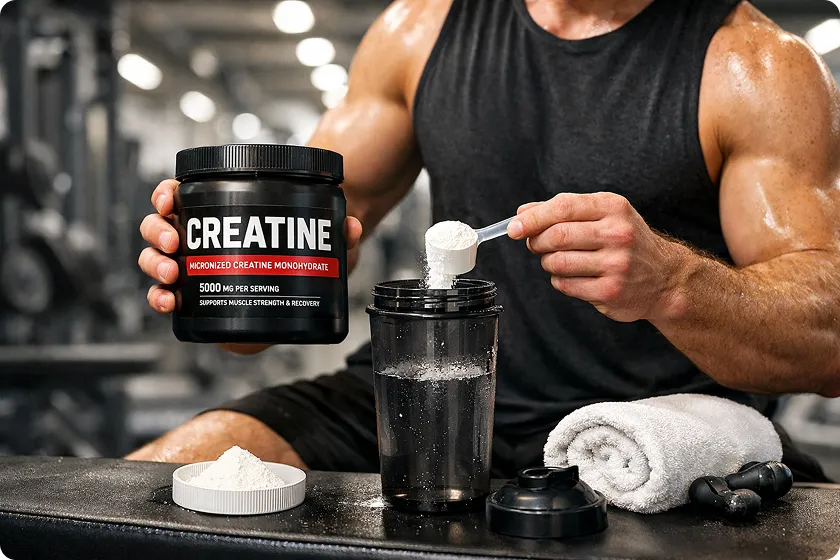
Many lifters know creatine builds strength and power, yet there is ongoing debate about the best time to take creatine. Should you mix it into your pre‑workout drink or save it for later? What about off days? Confusion about timing and dosing can lead to skipped doses and inconsistent results. This guide clears the fog by answering common questions and outlining seven essential tips you can apply right away. You’ll learn how creatine works, when levels peak, and which form to choose. By the end, you’ll have a simple plan to use creatine consistently and know the best time to take creatine.
Why Creatine Timing Matters
Creatine saturates your muscles over time, enhancing your ability to lift more, recover faster, and build muscle. Blood levels rise after you ingest a dose and stay up for hours. Knowing the optimal time to take creatine helps you plan your supplement schedule. Because exercise increases blood flow, taking creatine near your workout may help muscles absorb it more efficiently. Some small studies found marginal benefits for post‑workout use, but most research shows no meaningful difference between pre‑ and post‑workout dosing. The takeaway: the best time to take creatine is whatever works best for your routine, as long as you take it consistently.

Understanding the best time to take creatine lets you plan your supplement around your lifestyle.
Tip 1 – Align Intake With Your Workout
For the best time to take creatine relative to your workout, align your dose with the peak in blood flow. Take it within two hours before you train or within an hour afterward, aiming for roughly 3–5 grams. This routine becomes your personal best time to take creatine, and consistency is what matters most.
Tip 2 – Pre vs Post: Choose What Works for You
People often ask if creatine works better before or after a workout. While one small trial saw slightly greater gains with post‑workout dosing, most research finds no meaningful difference. For most lifters, the best time to take creatine is whenever you remember it. When deciding your timing, consider your personal schedule: morning lifters might add it to coffee or a smoothie, while evening gym‑goers can mix it into dinner or a late snack.
Tip 3 – Keep Taking Creatine on Rest Days
Daily intake keeps your muscles saturated. Questions like “Should I take creatine on off days?” are common. The answer is yes: take your usual dose every day, even when you’re not training. Timing matters less on rest days, so take creatine with breakfast or another meal. If you’re wondering about the best time to take creatine on rest days, the answer is simple: pick a time you won’t forget—consistency is more important than precision.
Core Strategy & Action Steps
Choosing the best time to take creatine is only the first step. Effective supplementation also involves proper dosing, pairing it with the right nutrients, staying hydrated, and selecting the best form. The following tips break down these core strategies into simple actions you can follow.
Tip 4 – Loading and Maintenance Protocol
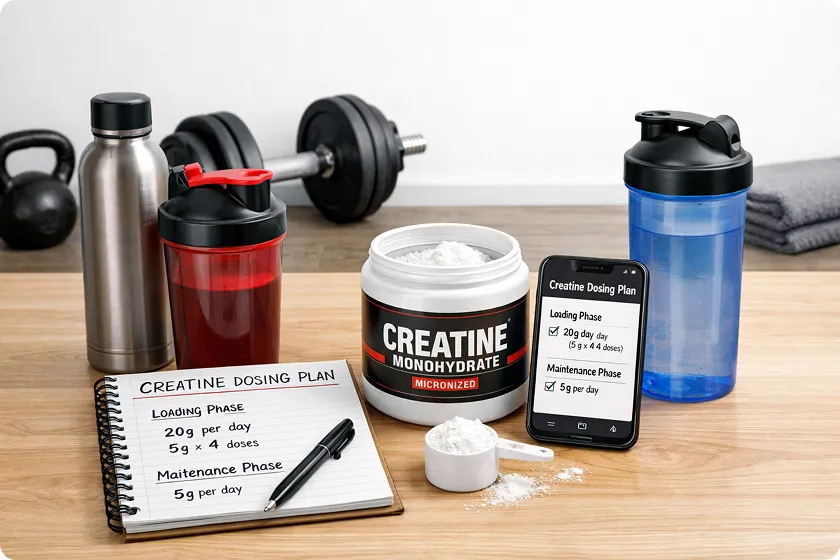
After deciding on your best time to take creatine, choose a loading protocol. Take around 20–25 grams per day (about 0.3 g/kg) for five to seven days to saturate your muscles quickly, then switch to a maintenance dose of 3–5 grams per day. Alternatively, use 2–3 grams daily for three to four weeks if you prefer a gentler approach. Adjust the total to suit your size and diet.
Table 1 – Creatine dosing protocols
| Protocol | Loading phase | Maintenance dose | Notes |
|---|---|---|---|
| Rapid loading | 0.3 g/kg/day for 5–7 days (20–25 g/day) | 3–5 g/day | Fast saturation; may cause water retention. |
| Gradual loading | 2–3 g/day for 3–4 weeks | 3–5 g/day | Slower saturation; easier on digestion. |
| Maintenance only | None | 5–10 g/day | Suitable after previous loading or a creatine‑rich diet. |
Tip 5 – Pair Creatine With Carbohydrates and Protein
Combining creatine with carbohydrates or carbs plus protein may enhance uptake and reduce stomach upset. While protein seems to have a similar effect, insulin is triggered by carbohydrates and helps move creatine into muscle cells. Add your dosage to oatmeal, a smoothie, or a post-workout shake. While it is possible to take creatine without food, it is usually more pleasant and easier to remember when taken with food.
Tip 6 – Stay Hydrated
Because creatine draws water into your muscles, maintaining proper hydration promotes both performance and overall health. Aim for about 3.7 liters of total fluids per day for men and 2.7 liters for women, including all beverages and food. Add a glass of water—around 250–350 milliliters—with each 3–5 gram serving. Carry a bottle and monitor urine color; pale yellow usually indicates good hydration.
Tip 7 – Choose the Right Creatine and Adjust for Your Sport
All creatine isn’t created equal. Creatine monohydrate remains the most researched and the best creatine for muscle growth. Other versions haven’t shown superior results and often cost more. Creatine monohydrate before or after a workout yields similar benefits, so timing within your training window is flexible. Creatine can increase body weight due to water retention. If running or cycling is your focus, start with about 3 grams per day and adjust based on how you feel and how you perform.
Table 2 – Comparison of creatine types
| Creatine form | Notes | Recommendation |
|---|---|---|
| Creatine monohydrate | Most studied and effective | Preferred |
| Ethyl ester | Limited evidence; no advantage | Avoid |
| Hydrochloride (HCl) | Dissolves easily; not superior | Not necessary |
| Buffered creatine | Marketed to reduce stomach upset; limited data | Skip |
| Liquid creatine | Convenient but degrades | Choose powder |
Supportive Habits & Tools
Creatine is most effective when combined with healthy habits. A balanced lifestyle, simple monitoring strategies, and continued learning will help you get the most from this supplement. These practices reinforce your routine.

Balanced Lifestyle and Recovery
Alongside choosing the best time to take creatine, support your regimen with proper nutrition and rest. Eat a lot of nutrient-dense foods, prioritize recovery by getting at least seven hours of sleep each night, and give your muscle groups time to rest in between strenuous workouts.
Monitoring and Practical Tools
Consistency is key to seeing results. Use an app or journal to record your creatine intake and water consumption, and set reminders to help you not miss a dose. If you notice bloating during loading, divide your daily amount into smaller servings throughout the day. Simple tools like these make it easier to stick to the best time to take creatine and build a lasting habit.
Further Resources and Next Steps
For deeper insights, explore our related guides. Complete Guide to Creatine Supplementation dives into advanced strategies, Protein & Carbohydrate Timing for Muscle Growth explains how nutrient timing affects recovery, and Hydration Strategies for Athletes offers practical plans to stay properly hydrated. These resources build on the tips above and help you tailor your routine.
FAQ
1. When is the best time of day to take creatine?
Take creatine within two hours before or up to an hour after training. On rest days, timing is flexible—pick a moment you’ll remember.
2. Should I take creatine before or after a workout?
Research hasn’t shown a clear winner. Post‑workout doses sometimes offer small advantages, but most studies find similar benefits either way. Choose the timing that fits your routine.
3. Should I take creatine on off days?
Absolutely. Taking creatine daily, including on rest days, keeps your muscles saturated with creatine. Take your usual dose with breakfast or another meal.
4. How much water should you drink with creatine?
Aim for about 3.7 liters of fluids per day if you’re male and 2.7 liters if you’re female. Add an extra glass of water with each creatine serving, and drink more during loading or hot weather.
Conclusion
Finding the best time to take creatine isn’t about chasing a perfect moment. Take your dose around your workouts, whether before or after, and keep taking it on rest days. Use a loading phase for rapid saturation or a gradual approach if you prefer smaller daily amounts. Pair creatine with carbohydrates and protein, drink plenty of water, and stick with creatine monohydrate. Combine these practices with a balanced diet, good sleep, and simple tracking to maximise gains and recovery. Start applying these seven tips today and share your progress.
Internal Links:
- Gym Workout Routine for Men: 9 Effective Strength Training Tips
- Upper Body Workout for Men: 7 Essential Moves for Strength and Shape
- Daily Exercise Routine: 7 Full Body Workouts at Home
External Links:
About the author
Healthy Eats Guide Team
Editorial Team
The Healthy Eats Guide editorial team researches and writes practical health and wellness content focused on clarity, sourcing, and everyday usefulness.
Related blogs

Recreational Soccer Benefits: 7 Reasons to Play Today
Recreational soccer benefits boost heart fitness, soccer body composition, and bone strength. Discover seven reasons to play and start today!
9 min read

Exercise for Endorphins: 7 Proven Ways to Boost Happiness
Exercise for endorphins boosts mood naturally with physical exercise and happiness tips, stress relief strategies, and fitness benefits. Learn proven ways today.
8 min read

Workout Plan to Lose Weight: 8 Effective Workout Exercises
Workout plan to lose weight with 8 effective exercises, cardio, and weights. Follow this weight loss training plan to burn fat and start today!
10 min read
Newsletter
Get practical health guides in your inbox
Occasional updates with clear nutrition, habits, and wellness reading — no spam, unsubscribe anytime.