

Table of contents

Introduction
Most people leave their doctor’s office staring at a report full of numbers they don’t understand. That confusion can be dangerous. Understanding heart numbers and what they mean is one of the most empowering steps you can take for your long-term health. These cardiovascular levels, from blood pressure to cholesterol, quietly tell your heart’s full story, often before symptoms ever appear.
In this guide, you’ll learn exactly which numbers matter, what healthy ranges look like, and how to know your heart is healthy, whether you’re at home or in a clinic. If you’ve ever wondered about the difference between a healthy heart vs. unhealthy heart, this breakdown gives you the clarity you need.
1. Resting Heart Rate: Your Heart’s Daily Efficiency Score
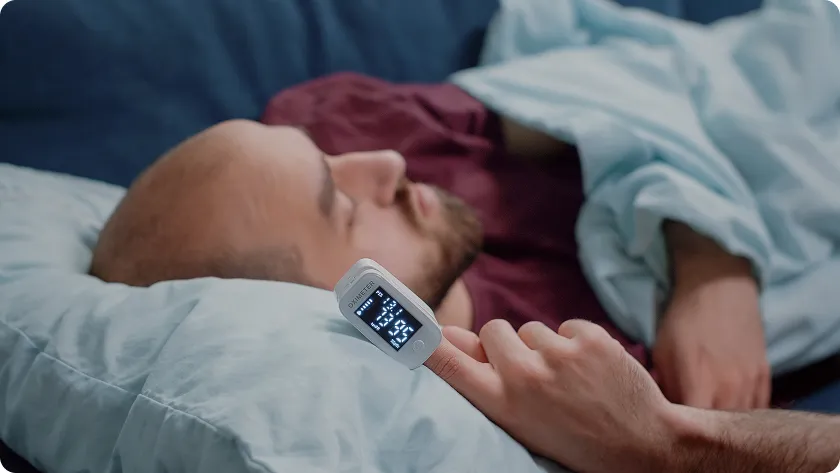
Your resting heart rate is one of the simplest heart monitor numbers you can track. It reflects how hard your heart works when your body is completely at rest. A lower rate generally signals a stronger, more efficient heart.
What’s a Healthy Range?
- Normal: 60–100 beats per minute (bpm) for adults
- Ideal: 60–80 bpm for most healthy adults
- Elite athletes: As low as 40 bpm
How to Measure It at Home
Count your pulse for 60 seconds first thing in the morning, before getting out of bed. Use two fingers on your wrist or neck. Track it over several days for an accurate average.
Warning Signs to Watch
A resting rate consistently above 100 bpm can signal stress, dehydration, anemia, or thyroid problems. A sudden irregular rhythm may also indicate an underlying condition. Regular monitoring helps you catch changes early.
2. Blood Pressure: The Silent Indicator of Heart Risk
Blood pressure is the most recognized of all human heart measurements. It measures the force of blood pushing against the walls of your arteries. High blood pressure is called the “silent killer” because it causes no symptoms until serious damage has already occurred, making it a key dividing line between a healthy heart vs. unhealthy heart.
Understanding the Numbers
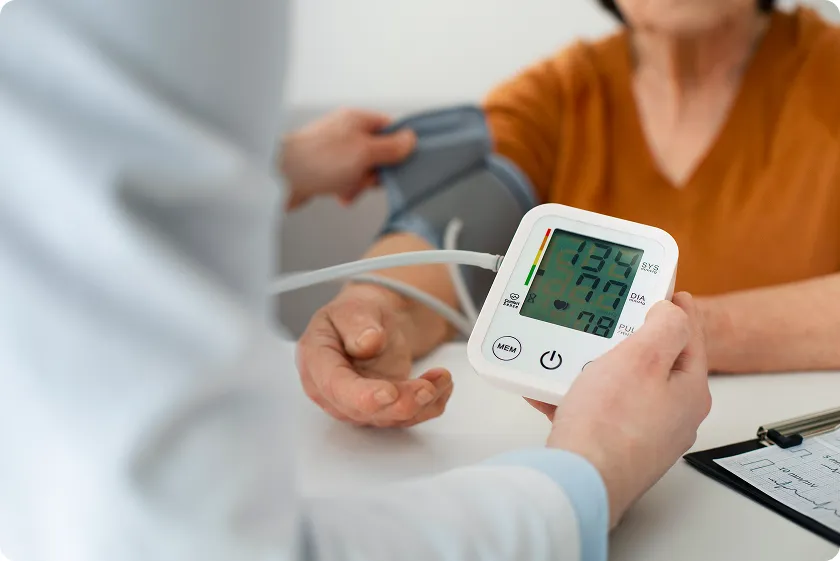
Blood pressure is recorded as systolic (top) over diastolic (bottom) in mmHg. A reading of 120/80 mmHg is normal. Anything consistently above 130/80 is classified as high.
Blood Pressure Categories at a Glance
| Normal | Below 120 | Below 80 |
| Elevated | 120–129 | Below 80 |
| High – Stage 1 | 130–139 | 80–89 |
| High – Stage 2 | 140 or higher | 90 or higher |
| Crisis | Above 180 | Above 120 |
Table 1: Blood Pressure Categories — Based on AHA Guidelines
How to Check at Home
Home blood pressure monitors are affordable and easy to use. Sit quietly for five minutes before taking your reading. Avoid caffeine or exercise for 30 minutes beforehand for the most accurate result.
3. Cholesterol Levels: The Cardiovascular Gatekeeper
Cholesterol levels are critical cardiovascular levels every adult should know. Not all cholesterol is harmful. HDL (good) cholesterol actually protects your heart, while LDL (bad) cholesterol clogs arteries over time. Keeping both in balance is a major sign of a strong heart.

LDL: Keep It Low
LDL cholesterol should ideally be below 100 mg/dL. High LDL is strongly linked to atherosclerosis, the buildup of plaque inside your arteries that leads to heart attacks and stroke.
HDL: Keep It High
An HDL level of 60 mg/dL or higher is considered protective against heart disease. Low HDL (below 40 mg/dL in men, below 50 mg/dL in women) is a significant risk factor.
Triglycerides: The Third Factor
A normal triglyceride level is below 150 mg/dL. When triglycerides are high alongside low HDL and high LDL, this combination, known as metabolic syndrome, is a serious warning signal for cardiovascular disease.
4. Blood Oxygen Saturation: Are Your Cells Getting Enough Oxygen?
Blood oxygen saturation (SpO2) measures how much oxygen your red blood cells are carrying. It’s one of the less-discussed heart index values, but vital to overall function. A healthy SpO2 reading is 95–100%. Anything below 90% is a medical emergency.
How to Measure SpO2
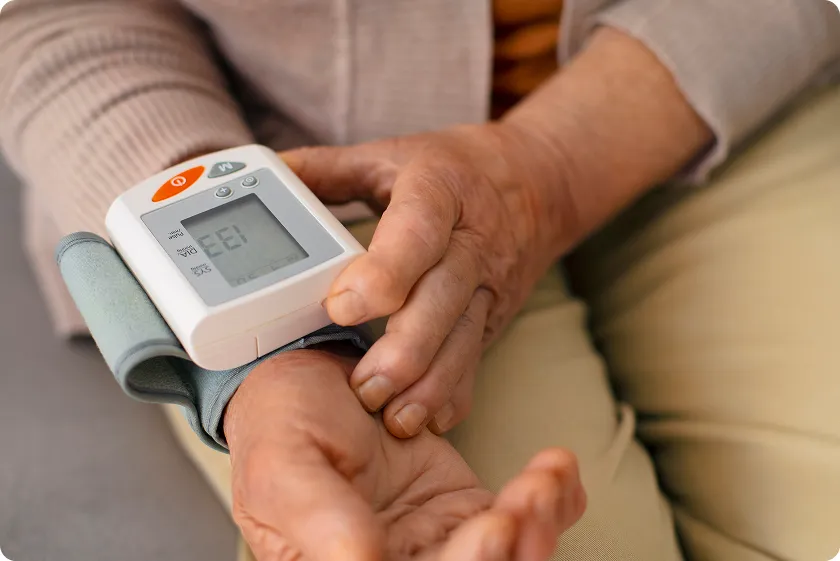
A pulse oximeter, a small clip worn on your fingertip, gives an instant reading. These devices cost under $20 at most pharmacies and are a practical tool for checking heart health at home.
What Low Levels May Mean
Consistently low oxygen saturation can indicate heart failure, chronic lung disease, or sleep apnea. If you regularly feel breathless, dizzy, or unusually fatigued, checking your SpO2 is a smart first step.
Normal Range for Cardiac Index
The cardiac index measures blood output relative to body size. The normal range for cardiac index is 2.5–4.0 L/min/m². Values below this range suggest the heart is not pumping effectively and typically require clinical evaluation.
5. Ejection Fraction: How Powerfully Does Your Heart Pump?
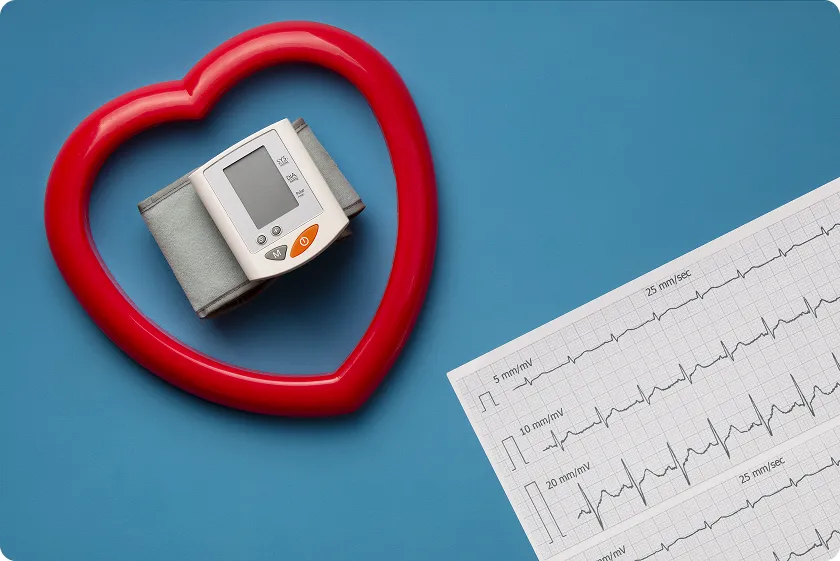
Ejection fraction (EF) is the percentage of blood the left ventricle pumps out with each heartbeat. It’s a key heart index used by cardiologists. A normal ejection fraction is 55–70%, meaning your heart pushes out more than half its blood with every beat.
Why It Matters
An EF below 40% indicates heart failure with reduced ejection fraction, a serious condition requiring active medical management. An EF in the borderline range (40–54%) warrants closer monitoring and lifestyle changes.
How It’s Measured
Ejection fraction is assessed through an echocardiogram (heart ultrasound). It’s typically ordered when a doctor suspects heart disease or after a cardiac event.
6. Fasting Blood Sugar: The Heart-Diabetes Connection
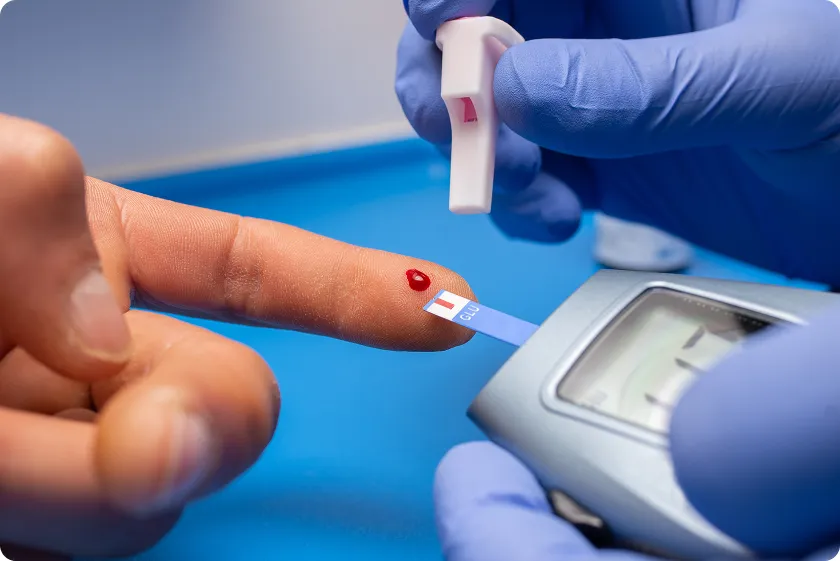
High blood sugar silently damages the blood vessels and nerves that control your heart. That’s why fasting blood glucose belongs among the essential heart numbers and what they mean for overall cardiovascular health. A normal fasting blood sugar is below 100 mg/dL.
The Direct Link to Heart Disease
People with type 2 diabetes are two to four times more likely to develop heart disease. Prediabetes (100–125 mg/dL) and diabetes (126+ mg/dL) both significantly raise your cardiovascular risk.
Simple Steps to Keep It in Check
- Reduce refined carbohydrates and added sugars.
- Exercise at least 150 minutes per week
- Maintain a healthy body weight.
- Get annual blood sugar testing if you’re over age 45
7. BMI and Waist Circumference: The Shape of Heart Health
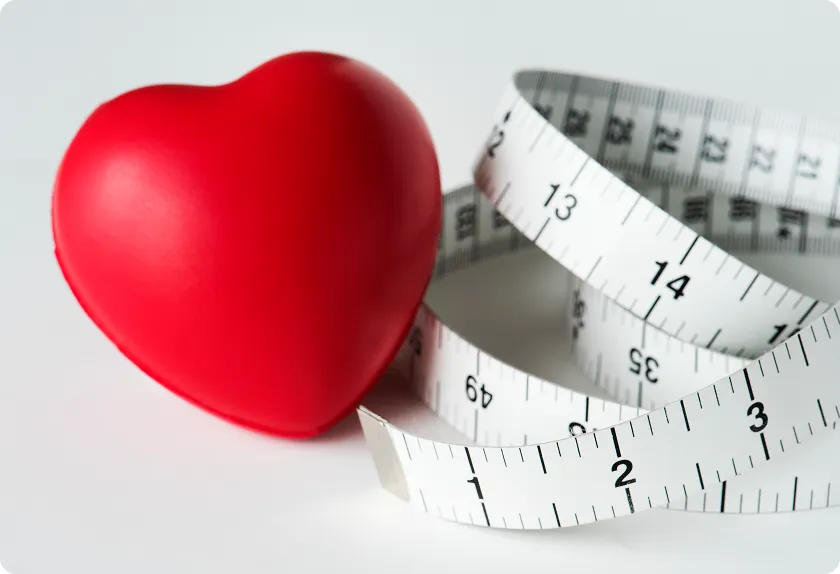
Body Mass Index (BMI) and waist circumference are practical metrics that indicate whether your heart is healthy based on body composition. Excess belly fat is directly linked to high blood pressure, poor cholesterol, and insulin resistance.
Healthy Targets
- BMI: 18.5–24.9
- Waist circumference: Under 35 inches for women; under 40 inches for men
Why Belly Fat Is the Most Dangerous Type
Visceral fat, the deep fat surrounding your organs, releases inflammatory chemicals that damage blood vessels. Two people can weigh the same yet have very different heart risks, depending on where their fat is stored.
| Resting Heart Rate | 60–80 bpm | Above 100 bpm |
| Blood Pressure | Below 120/80 mmHg | Above 130/80 mmHg |
| LDL Cholesterol | Below 100 mg/dL | Above 130 mg/dL |
| HDL Cholesterol | Above 60 mg/dL | Below 40 mg/dL |
| Blood Oxygen (SpO2) | 95–100% | Below 90% |
| Fasting Blood Sugar | Below 100 mg/dL | Above 126 mg/dL |
| BMI | 18.5–24.9 | Above 30 |
Table 2: Key Heart Numbers and Healthy Ranges — Quick Reference
FAQ
1. How can I tell if my heart is healthy without visiting a doctor?
Monitor your resting heart rate, blood pressure, and SpO2 regularly using affordable home devices. Consistent readings within normal ranges, combined with steady energy, no shortness of breath, and no chest discomfort, are encouraging signs. However, home monitoring complements, rather than replaces, annual medical checkups. A basic lipid panel and a fasting glucose test once a year give you a fuller picture of your cardiovascular health.
2. How can you check your heart health with a smartwatch?
Modern smartwatches can track resting heart rate, flag irregular rhythms like AFib, and continuously monitor SpO2. While they are not a substitute for clinical testing, they offer valuable daily insight into your heart index trends. Look for a device with FDA-cleared heart monitoring features for more reliable data.
3. What is the normal range for cardiac index?
The normal cardiac index range is 2.5–4.0 L/min/m². This measurement reflects how much blood your heart pumps per minute relative to your body size. It’s typically assessed in a hospital or clinical setting and is used to evaluate heart function in patients with suspected heart failure or critical illness.
4. How to check heart health with a basic blood test?
A standard lipid panel checks your LDL, HDL, and triglycerides. For a more complete picture, also request a fasting blood glucose and a C-reactive protein (CRP) test, which measures inflammation, a hidden driver of heart disease. These are signs of a strong heart when all values fall within healthy ranges.
5. Can a healthy heart vs. unhealthy heart be identified by symptoms alone?
Not reliably. Many people with serious cardiovascular conditions feel completely normal. That’s exactly why knowing your heart numbers and what they mean, through regular testing, is essential. Symptoms alone are not a safe or sufficient guide for assessing heart health.
Conclusion
Understanding heart numbers and what they mean is not just for doctors. It’s information every adult deserves. From resting heart rate and blood pressure to cholesterol, blood oxygen, ejection fraction, blood sugar, and body composition, these 7 essential signs of a strong heart give you a clear and complete picture of your cardiovascular health.
Regularly monitoring your cardiovascular health, making smart lifestyle choices, and staying in close communication with your healthcare provider are the most powerful steps you can take. A healthy heart vs. unhealthy heart often comes down to awareness. The earlier you catch a problem, the more control you have over the outcome.
Don’t wait for a crisis to start paying attention to your heart. Start tracking your numbers today, your future self will thank you.
Internal Links
- 5 Proven Gua Sha Benefits for Your Skin Health
- Azithromycin Side Effects: What to Expect and How to Manage Them
- Eye Drops for Contact Lenses: 11 Ultimate Choices for Dry Eye Relief
External Links
- Listening to Your Body: 10 Vital Signs of a Healthy Heart
- Warning Signs of a Heart Attack
- How to Know Your Heart Is Healthy: Signs, Tests & Lifestyle
Reference
- Kozakova, M., & Palombo, C. (2016). Diabetes Mellitus, Arterial Wall, and Cardiovascular Risk Assessment. International Journal of Environmental Research and Public Health, 13(2), 1-14.
- Is Your Resting Heart Rate Too Low? Insights for Endurance Runners — https://www.runnersblueprint.com/is-your-resting-heart-rate-too-low-insights-for-endurance-runners/
- Understanding Blood Pressure Readings https://www.kifyhospital.com/post/understanding-blood-pressure-readings
- Stage 1 Hypertension Life Expectancy: Key Facts and Insights https://kochresearch.com/blogs/stage-1-hypertension-life-expectancy
- Lower Bad Cholesterol Naturally: Top Foods to Include https://ausvitalnutrients.com.au/foods-that-lower-bad-cholesterol/
- Borderline cholesterol https://skattercupy.web.app/62959/76744.html
- Is an Interatrial Shunt a Sufficient Solution for Heart Failure with Preserved Ejection Fraction? https://www.medreport.foundation/post/is-an-interatrial-shunt-a-sufficient-solution-for-heart-failure-with-preserved-ejection-fraction
- When diabetes symptom appears? https://www.mildreports.com/2018/10/when-diabetes-symptom-appears.html
- Kozakova, M., & Palombo, C. (2016). Diabetes Mellitus, Arterial Wall, and Cardiovascular Risk Assessment. International Journal of Environmental Research and Public Health, 13(2), 1-14.
- Cardiac Index Calculator https://calculatorshub.net/health/cardiac-index-calculator/
- Overweight men at increased risk of prostate cancer https://www.thehansindia.com/posts/index/Amaravati-Tab/2016-06-04/Overweight-men-at-increased-risk-of-prostate-cancer/232621