
6 Essential Signs of Lupus You Should Know
What are the signs of lupus: discover early symptoms, early signs of lupus in females, lupus symptoms in children & men. Learn warning signs & get help now
By Healthy Eats Guide Team
Published
Updated
6 min read
Introduction
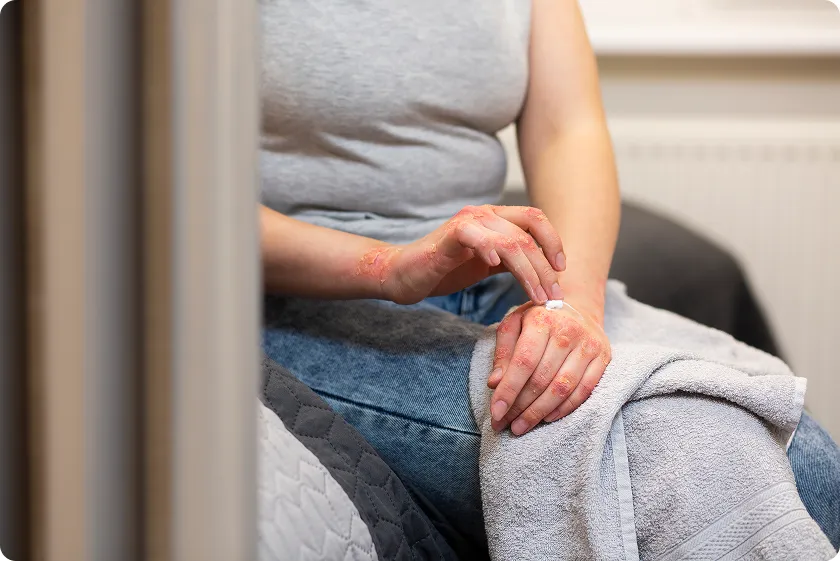
The skin, joints, kidneys, blood, heart, and lungs are just a few of the areas of the body where lupus, a chronic inflammatory disease, can produce inflammation. Lupus can be difficult to diagnose early since its symptoms often resemble those of other diseases. Early signs of lupus include fatigue, joint pain, rash, fever, hair loss, and mouth sores. Not everyone has the same pattern, but noticing several symptoms together can help someone seek medical care sooner.
1) Profound Fatigue
One of the lupus symptoms is fatigue, which is common and feels very different from typical fatigue. Daily activities, focus, and quality of life may all be impacted.

- Persistent exhaustion may continue even after a full night’s sleep.
- Many people describe feeling drained for no clear reason.
- It is worth discussing with a doctor, especially if pain, a rash, fever, or mouth sores accompany it.
2) Joint Pain and Swelling
Pain, stiffness, and joint swelling are also common in lupus. The hands, wrists, and knees are often affected, and symptoms may be worse in the morning or after rest.

- Joint discomfort may feel similar to arthritis.
- Some people also have muscle aches along with joint pain.
- Lupus can sometimes cause chest pain with deep breathing because inflammation may affect the lining around the lungs.
3) Butterfly Rash and Other Skin Changes
A butterfly-shaped rash across the cheeks and on the nose is one of the most recognized lupus signs. Lupus can also cause other skin rashes and sores in the mouth or nose.
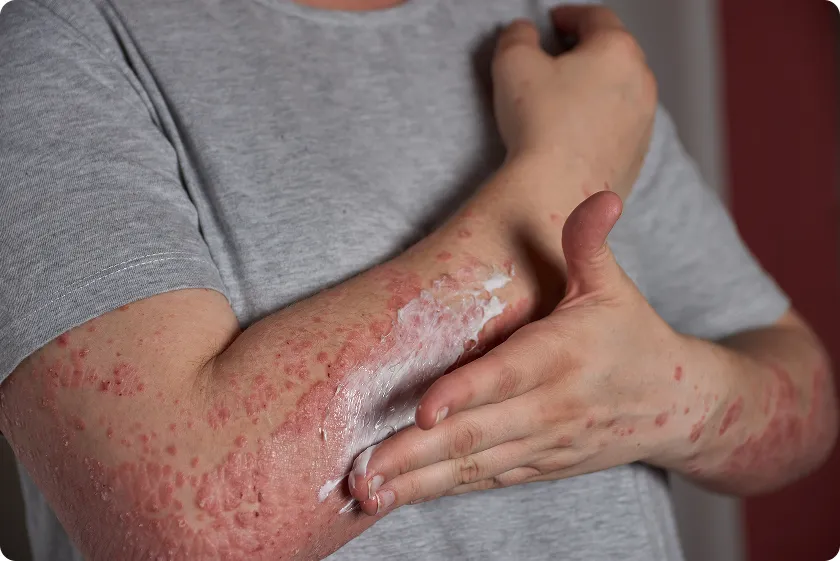
- The butterfly rash may be flat or slightly raised.
- Some people develop other patches or scaly lesions on the skin.
- Mouth or nose sores are often painless and may appear during flares.
4) Sunlight Sensitivity
Many people with lupus are sensitive to sunlight, especially ultraviolet light. Sun exposure can trigger or worsen rashes and may contribute to a flare.
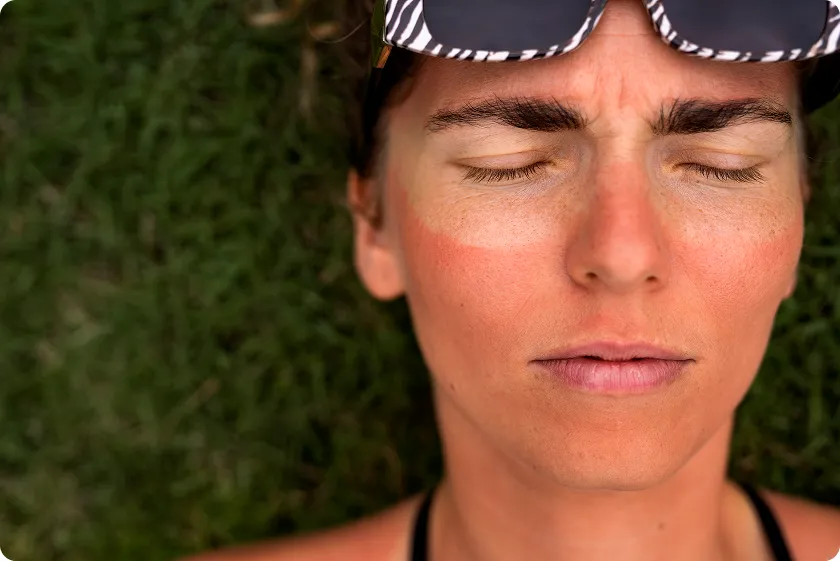
- Even short sun exposure may irritate the skin.
- Some people notice symptoms after being outdoors without protection.
- Hats, protective clothing, and broad-spectrum sunscreen can all help reduce the effects of UV exposure.
5) Unexplained Fever and Mouth Sores
Low-grade fever can happen in lupus, especially when there is inflammation and no obvious infection. Mouth or nose sores may show up at the same time or during separate flares.
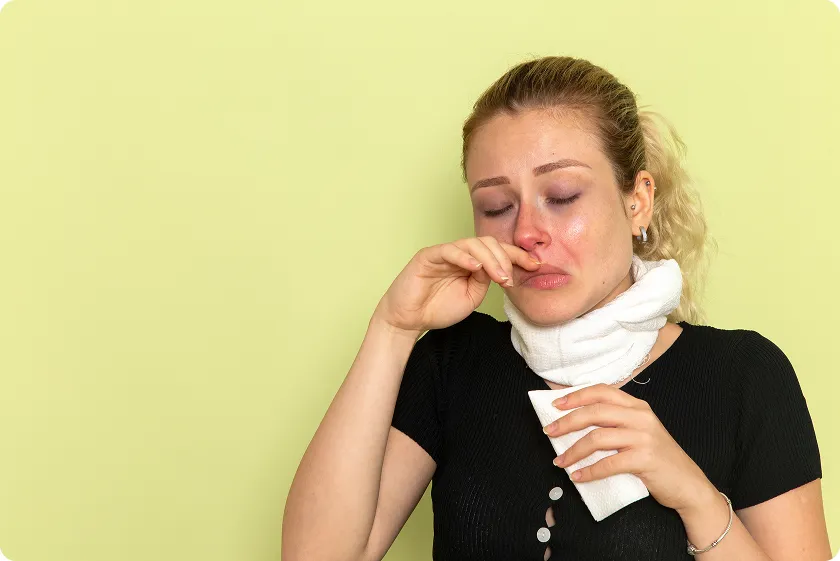
- Fever should not be ignored, particularly when it recurs.
- Painless ulcers inside the mouth or nose are a known lupus symptom.
- These signs matter more when they appear with fatigue, rash, or joint pain.
6) Hair Loss and Raynaud’s Phenomenon
Lupus can affect the scalp and also the blood flow in the fingers and toes. Hair thinning and Raynaud’s phenomenon are both recognized lupus-related symptoms.
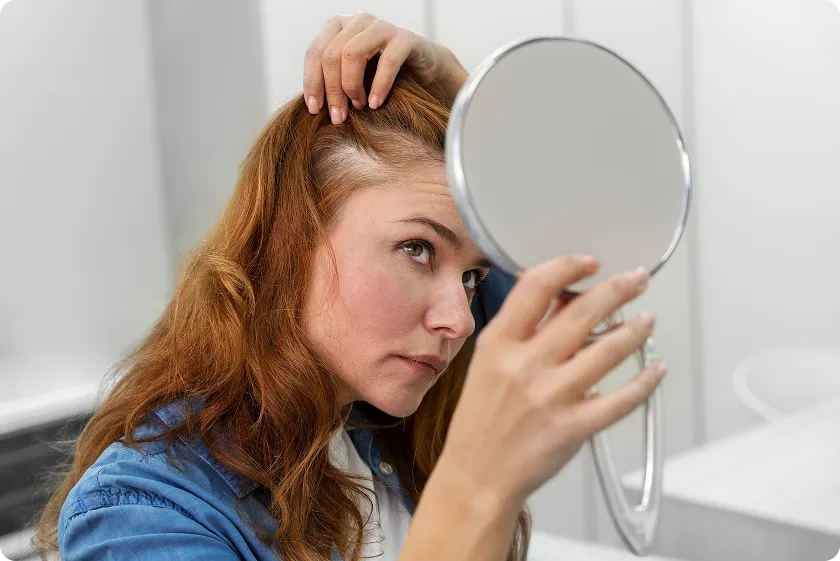
- Hair may thin gradually or fall out in patches.
- Some scalp rashes can scar and lead to more lasting hair loss.
- In Raynaud’s phenomenon, fingers or toes may turn white, blue, and then red in response to cold or stress.
Quick Symptom Summary
- extreme fatigue
- joint or muscle pain
- swelling or stiffness
- butterfly rash
- sunlight sensitivity
- fever
- mouth or nose sores
- hair loss
- Raynaud’s phenomenon
Lupus in Women, Men, and Children
Lupus can affect anyone, but it is much more common in women. About 9 out of 10 people with lupus are women, and the highest risk is in women of childbearing age, especially ages 15 to 44.

- Women: Lupus is most often diagnosed in women, but symptoms are not limited to one sex.
- Men: Men can get lupus too, and they may have many of the same symptoms.
- Children: Lupus can also affect children and teenagers, though it is less common than adult lupus.
Lupus Tests and Diagnosis
There is no single test that can diagnose lupus on its own. Doctors usually consider symptoms, physical findings, and laboratory tests together.

The ANA blood test is often among the first tests performed. Most people with lupus have a positive ANA, but a positive ANA alone does not mean someone has lupus, because it can also appear in people without lupus.
Doctors may also order tests such as anti-dsDNA, complete blood count, complement levels, kidney tests, and urinalysis. Anti-dsDNA is more specific for lupus than ANA, but it is not present in every lupus patient. Johns Hopkins notes that anti-dsDNA is found in about 30% of people with systemic lupus and in less than 1% of healthy individuals.
Keeping a symptom diary can help because lupus symptoms often come and go. A doctor may use that pattern, along with exam findings and lab results, to decide whether lupus is likely and whether a rheumatology referral is needed.
FAQ
1. What is often the first sign of lupus?
Fatigue is one of the most common early symptoms, but the first symptoms vary from person to person. Some people first notice joint pain, rash, fever, or mouth sores.
2. How do I know if I might have lupus?
You cannot confirm a diagnosis of lupus based solely on symptoms. If you have ongoing fatigue, joint pain, rash, fever, mouth sores, or hair loss, it is best to speak with a doctor who can review the full picture and order the right tests.
3. Are lupus symptoms different in women?
The main symptoms are generally similar, but lupus is much more common in women, especially between the ages of 15 and 44.
4. How is lupus tested?
Doctors often start with an ANA test and then order additional blood and urine tests if needed. A positive ANA can support suspicion, but it is not enough on its own to make the diagnosis.
Conclusion
Knowing the common signs of lupus can help people seek medical advice earlier. Fatigue, joint pain, rashes, sunlight sensitivity, fever, mouth sores, hair loss, and Raynaud’s phenomenon are all warning signs worth paying attention to, especially when several happen together. Lupus can be managed, and earlier evaluation may help reduce complications. For trusted patient information and support, the CDC and Lupus Foundation of America are strong resources.
Internal Links
- Can Constipation Cause Fever? 7 Essential Causes of Fever with Constipation
- 7 Proven Mullein Tea Benefits for Lung Health
- Can Lupus Kill You? 7 Essential Facts You Should Know
External Links
About the author
Healthy Eats Guide Team
Editorial Team
The Healthy Eats Guide editorial team researches and writes practical health and wellness content focused on clarity, sourcing, and everyday usefulness.
Related blogs

Chronic Migraine Treatment: 6 Essential Options Explained
Chronic migraine treatment options, including CGRP inhibitors and Botox, can reduce attack frequency. Explore six proven approaches and take control today.
10 min read

Mounjaro Fatigue: 5 Essential Facts to Know
Mounjaro fatigue can drain your day. Learn key tirzepatide side effects, causes of tiredness, and practical ways to restore energy. Read the guide.
8 min read

Exdensur for Asthma: 7 Essential Facts to Know
Exdensur for asthma: Learn Depemokimab uses, eosinophilic asthma treatment benefits, side effects, and dosage schedule. Read the facts today.
9 min read
Newsletter
Get practical health guides in your inbox
Occasional updates with clear nutrition, habits, and wellness reading — no spam, unsubscribe anytime.