
10 High Fiber Dinner Ideas for a Healthier Family
High fiber dinner made easy with 10 tasty recipes, plus high fiber meal ideas for kids and adults, support digestion and eat smarter tonight.
By Healthy Eats Guide Team
Published
Updated
9 min read
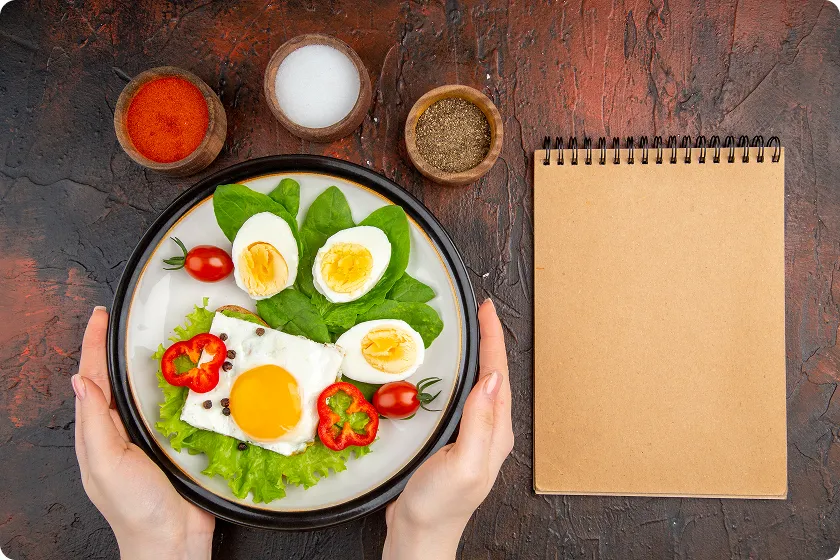
Nearly everyone could use more fiber in their meals, yet busy families often serve quick, low-fiber dishes out of convenience. Digestive issues like constipation or poor meal choices can be a pain point, but high fiber dinners can change that. They help fill you up, improve gut health, and may even help control blood sugar and cholesterol. In this article, we explain why high fiber dinners (fiber-rich meals) matter and share 10 delicious high fiber meal ideas that kids and adults will enjoy. You’ll also learn practical tips for adding high fiber, low-fat foods (like beans, whole grains, and vegetables) into your dinner routine.
Why High Fiber Dinners Matter
Most people fall short of fiber targets (Adults need ~30g/day, but average ~20g). This shortfall can slow digestion, lead to constipation, and increase health risks. Serving vegetables, whole grains, and legumes at dinner keeps bowels moving and curbs cravings. Fiber also adds bulk to stools and can lower cholesterol and steady blood sugar.
Digestive Health & Constipation
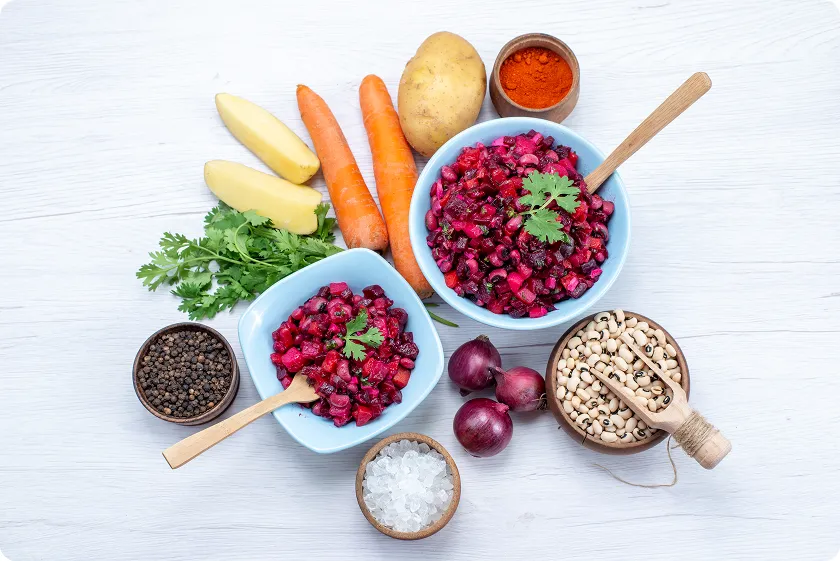
Fiber works in your gut much like a broom. Insoluble fiber, found in whole grains, potato skins, and vegetables, adds bulk and speeds up movement. Soluble fiber, from oats, beans, and fruits, absorbs water and softens stools. Both types can help ease constipation, which affects many families. Research shows that increasing fiber intake tends to increase stool frequency in people with constipation. Remember to serve water with high fiber dinners to support digestion for everyone at the table.
Heart & Metabolic Benefits
Fiber at dinner helps on many levels: it lowers cholesterol and smooths blood-sugar spikes (boosting energy and helping prevent diabetes). High fiber meals also make you feel full on fewer calories, aiding healthy weight control. Small swaps (like using whole grains or adding beans) can turn any dinner into a heart-healthy meal, benefiting people of all ages.
Kids’ Growth & Well-Being
Kids need fiber too: Guidelines say 5–11 years: ~20g/day, and teens: ~25g (toddlers: ~15g). High fiber dinners help children feel fuller after nutritious meals and curb junk-food cravings. Involve kids in cooking (for example, adding vegetables to sauces) to build healthy habits. Introduce fiber slowly for toddlers and encourage them to drink water. Over time, these meals support healthy digestion for the whole family.
In short, high fiber dinners keep everyone’s gut moving comfortably, help control blood sugar and cholesterol, and keep kids satisfied on healthy food.
| Age | Fibre (g per day) |
|---|---|
| 2–5 years | 15 |
| 5–11 years | Fiber (g per day) |
| 11–16 years | 25 |
| 17+ years | 30 |
10 Delicious High Fiber Dinner Ideas
These dinner ideas are packed with fiber-rich foods, including whole grains, beans, vegetables, and fruits. Pair each with lean protein or low-fat dairy as desired. Try one to enhance both fiber and flavor at your next dinner.
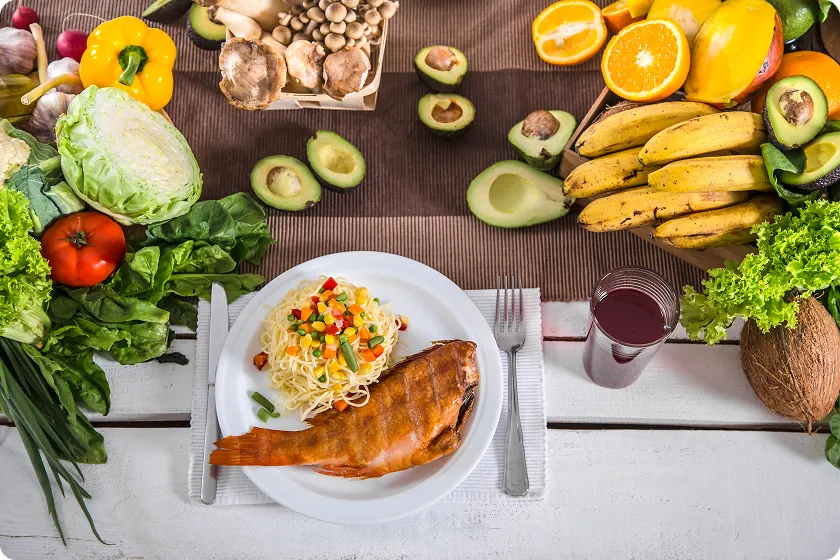
1. Mediterranean Quinoa & Chickpea Power Bowl
Combine cooked quinoa with chickpeas, cucumber, and tomatoes, and drizzle with lemon-tahini dressing. Finely mash or chop ingredients for toddlers so everyone gets fiber and flavor.
2. Hearty Black Bean & Sweet Potato Chili
Cook onions, peppers, and diced sweet potato (skin on) in a pot, then add crushed tomatoes and a can of black beans with mild spices and simmer until tender.
3. Whole-Wheat Pasta Lentil Bolognese
Boil whole-wheat pasta and toss it with a sauce made from brown lentils and tomatoes. Lentils bulk up the sauce with fiber.
4. Roasted Cauliflower & Pea Curry
Roast cauliflower and green peas with curry spices, then stir into a mild coconut-tomato curry. Serve over brown rice.
5. Stuffed Bell Peppers with Brown Rice & Walnuts
Fill halved bell peppers with cooked brown rice, beans, and chopped walnuts. Add diced tomatoes and bake until tender.
6. Lentil & Vegetable Soup
Simmer brown lentils with chopped carrots, celery, onion, and tomatoes in broth until soft. Season with bay leaves and thyme. Serve with wholemeal bread.
7. Bean & Barley Stew
Combine mixed beans and pearl barley with a tomato stew, carrots, and spinach. Season with oregano and cumin.
8. Chickpea & Veggie Stir-Fry
Stir-fry chicken (or tofu) with carrots, mushrooms, and snap peas in oil and ginger. Stir in chickpeas and a splash of soy sauce. Serve over brown rice.
9. Wholegrain Veggie Quesadillas
Spread whole-wheat tortillas with refried beans or mashed lentils and sprinkle with low-fat cheese and chopped spinach or peppers. Cook in a pan until crispy and cut into wedges.
10. Loaded Baked Potatoes
Bake potatoes with the skins on, then split them open. Top with a bean-and-tomato chili or try broccoli and chicken.
Each recipe demonstrates how adding whole grains, beans, and vegetables can transform common dinners into high fiber meals. For instance, switching from white rice (0.6g fiber per cup) to brown rice (3.5g), or keeping potato skins on, can significantly increase your meal's fiber content.
Fiber Boosting Food Swaps
Making small ingredient changes can have a big impact. Here are easy swaps and snack suggestions:
Grain Swaps
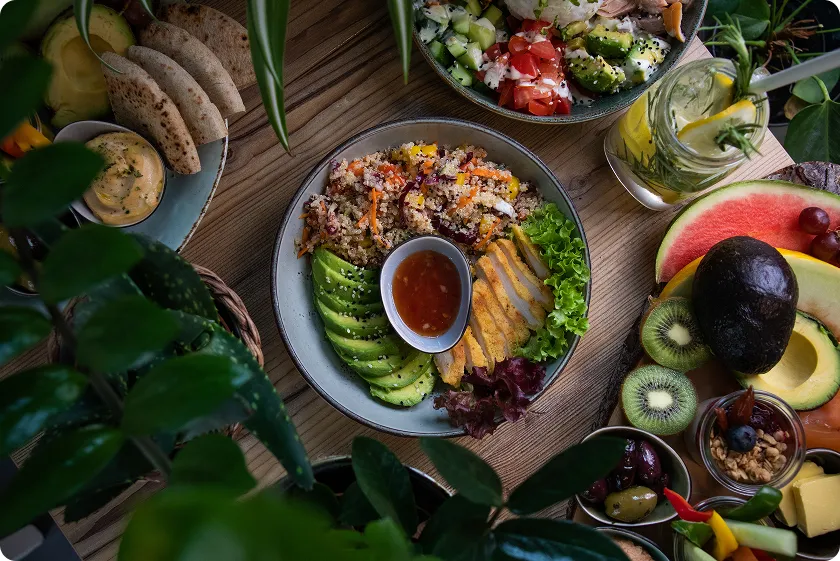
- Use brown rice instead of white rice (3.5g of fiber per cup vs 0.6 g).
- Choose whole-wheat or legume pasta rather than refined pasta.
Bread & Potato Swaps
- Choose wholemeal or seeded bread instead of white bread.
- Bake potatoes with skins on instead of mashing peeled ones.
Snack Swaps
- Snack on fiber-rich foods like apple or pear slices (with skin), berries, or nuts instead of chips or cookies.
Supportive Habits & Tools
Building fiber into meals is easier with good habits. Try these tips:

Plan & Prep Meals
- Batch-cook staples like whole grains and beans to save time. For example, cook a big batch of brown rice or oats at the start of the week.
- Keep canned beans or cooked lentils on hand for quick meals.
- Freeze portions of soups, stews, or chilis to have a high fiber dinner ready anytime.
Hydrate & Stay Active
- Fiber works best with water and movement. Aim for 6–8 glasses of water a day and encourage a short walk after meals.
Use Tools & Inspiration
Visual cues and kid-friendly involvement keep fiber on track:
- Place a fiber chart on the fridge or use an app to track your fiber intake.
- Kids are more likely to try recipes they helped create if you let them choose vegetables or combine ingredients.
- Look for “high fiber” labels on food packages.
Fiber-Rich Snacks & Sides
Don't neglect sides and snacks:
- Serve a simple salad or raw veggie sticks with dinner.
- Offer roasted chickpeas, nuts, or whole-grain crackers as a side.
- Have fruit (berries, apple slices, or yogurt with fruit) as dessert.
- These habits and snack choices provide an extra 5–10g of fiber, reinforcing healthy dietary habits between family meals.
Frequently Asked Questions
1. What are some high fibre dinner ideas?
Fibre-rich dinners often feature whole grains (like brown rice or quinoa), legumes (beans, lentils, chickpeas) and plenty of vegetables. Examples include hearty chilli, lentil soup, whole-wheat pasta with veggie sauces, or grain bowls with beans. These meals fill everyone up on nutritious food.
2. How can I make high fibre meals for toddlers?
High fibre foods for toddlers include soft, colourful options. Cook lentils or beans into stews or purees, and serve oatmeal or mashed potatoes (skins on) with shredded carrots or peas mixed in. Introduce fibre slowly and offer water to prevent discomfort. Puree soups or sauces if needed for little mouths, this makes fibre easy to eat.
3. Can high fibre meals help with constipation?
Fibre adds both bulk and moisture to stool, which can help regularise bowel movements. Research shows that increasing daily fibre intake is often associated with more frequent stools in people with constipation. Offering high fibre dinners alongside water and activity is a natural way to address constipation in children and adults. Introduce fibre gradually and encourage hydration.
4. What are the best high fibre foods for kids?
Kid-friendly high fibre foods include fruits (berries, pears, apples with skin), vegetables (carrots, peas, broccoli), whole grains (oats, brown rice), and legumes (beans, lentils). For example, 1 cup of boiled peas has ~9g fibre and ½ cup of baked beans has ~6g. Yoghurt with berries or apple slices with nut butter also adds fibre, and kids will enjoy it.
5. How can I include high fibre foods at dinner?
Focus on simple substitutions and additions: pick whole-grain bread, pasta, or rice over white versions; leave the skins on potatoes; and enrich sauces with beans or extra vegetables. Add lentils or chickpeas to casseroles and stir-fries, or serve a side salad. Even tossing a handful of spinach or frozen peas into rice can increase the fibre content. These habits make it easy to serve fibre at every family dinner.
Conclusion
Choosing whole grains, beans, fruits, and veggies at dinner boosts digestion, curbs cravings, and supports heart health. The ideas above – from quinoa bowls to bean stews – show how tasty and easy fiber-rich meals can be. Key takeaways: focus on plant- and whole-grain-rich dinners, make simple swaps, and involve the whole family in cooking. Try these ideas and see the difference. Share high fiber dinner ideas!
Internal Links
- 7 Effective Ways to Detox with Water for a Healthier Colon
- 6 Proven Ways Sweet Potatoes Can Help with Weight Loss
- 10 Healthy Dinner Recipes for Families You Need to Try
External Links
About the author
Healthy Eats Guide Team
Editorial Team
The Healthy Eats Guide editorial team researches and writes practical health and wellness content focused on clarity, sourcing, and everyday usefulness.
Related blogs
Heart Failure Diet: 10 Essential Foods for Better Heart Health
Heart failure diet: Discover 10 essential foods and a heart healthy meal plan to support circulation, reduce strain, and protect your heart. Start today.
15 min read
Best Diet for Arthritis: 7 Essential Foods for Joint Health
Best diet for arthritis: foods for joint health and foods that help arthritis. Improve mobility and reduce pain. Start reading today.
8 min read
Anti-Inflammatory Snacks: 10 Proven Fruits for Inflammation
Anti-inflammatory snacks with fruits for inflammation and foods that are anti inflammatory. Discover a low inflammatory breakfast guide and boost health now.
11 min read
Newsletter
Get practical health guides in your inbox
Occasional updates with clear nutrition, habits, and wellness reading — no spam, unsubscribe anytime.