
10 Essential Whole Foods List for a Healthier Lifestyle
Explore a comprehensive whole foods list for a healthier lifestyle. Discover clean eating meals, healthy grocery list tips, and single ingredient foods for optimal health.
By Healthy Eats Guide Team
Published
Updated
21 min read
Introduction
It’s common to stare at a pantry full of packaged snacks and wonder, “What can I eat today?” If that sounds familiar, you’re not alone. Many people feel overwhelmed when transitioning to clean eating meals, especially if they don’t have a whole foods list to guide them. Without a clear plan, it’s easy to fall back on convenience foods and forget your goals of eating healthier. A well‑structured list of whole foods helps you stop asking “what should I eat today?” and start making confident choices for yourself and your family.
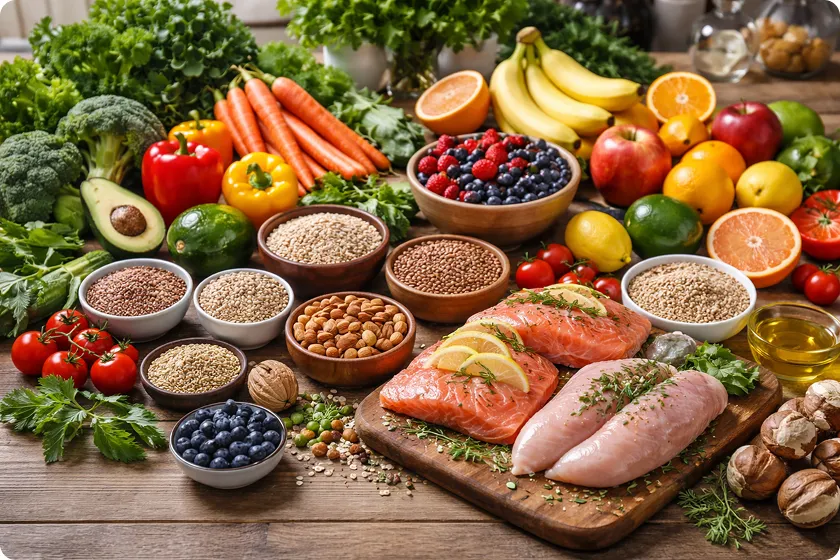
A solid whole foods list includes vegetables, fruits, whole grains, legumes, nuts, seeds, and minimally processed proteins. These single-ingredient foods are rich in vitamins, minerals, fibre, and healthy fats, and they’re free from the added sugars, salt, and preservatives found in many processed products. Put another way, you will be putting fresh produce, lean meats, and healthy fats on your plate rather than nutrient-depleted meals. This guide will help you assemble your own healthy grocery list, show you how to turn those ingredients into healthy choice meals, and provide a roadmap for sticking with your new habits.
Why This Topic Matters
Keeping a whole foods list at your fingertips ensures you always have a simple answer when hunger strikes. Instead of wondering what to eat, you can glance at your list and choose nourishing options with confidence.
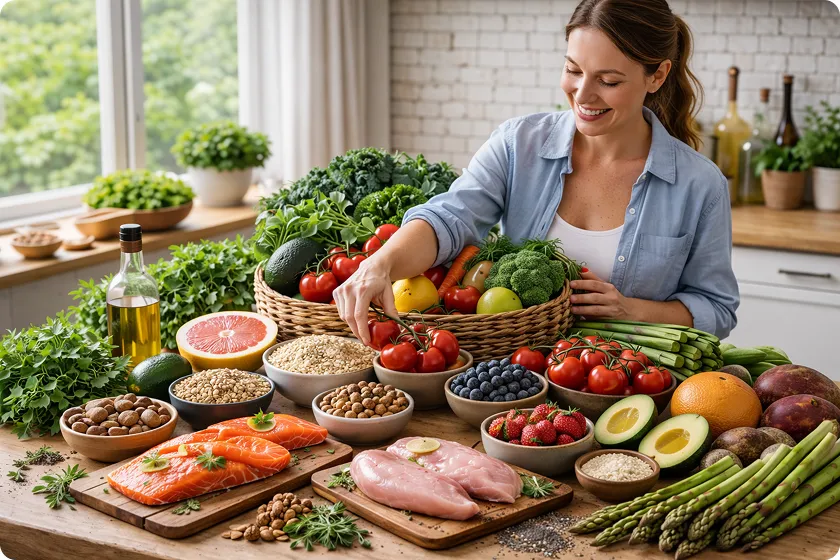
We live in a world where processed snacks and sugary beverages crowd the supermarket aisles. Marketing slogans promise quick fixes and clean foods, yet the ingredient lists reveal a different story. It’s no wonder people feel confused when they try to create a healthy grocery list. When the cupboards are full of ultra‑processed products, you might ask yourself, “What to eat when you don’t know what to eat?” Put another way, you will be putting fresh produce, lean meats, and healthy fats on your plate rather than nutrient-depleted meals.
Eating whole foods matters because it reduces your intake of added sugars, unhealthy fats, and artificial additives. Ultra‑processed products often contain high levels of refined starches and sweeteners, which can drive inflammation and contribute to chronic diseases. When you use a whole foods list to fill your shopping basket, you’ll find yourself reaching for colourful produce and wholesome grains instead of packaged snacks. This shift can lead to increased energy, improved digestion, and better overall well-being.
Modern Diet Challenges
Many consumers rely on convenience foods for meals and snacks. These products often come with long ingredient lists, hidden sugars, and additives that can leave you feeling sluggish. Without a clear, healthy grocery list, it’s easy to fall into a pattern of choosing whatever is quick and available. You might not know what to look for when reading labels, and terms like “natural” or “fortified” can be misleading. To break this cycle, it’s essential to understand why ultra‑processed foods can sabotage your health goals:
- Hidden sugars and refined starches: Many packaged foods include sugar and refined flour to enhance flavour and extend shelf life. These ingredients contribute to blood sugar spikes and cravings, making it harder to maintain stable energy.
- Lost nutrients: Processing strips away fibre, vitamins, and minerals. A list of whole foods preserves these nutrients because they’re found in their natural packaging.
- Artificial additives: Preservatives, artificial colours, and trans fats are common in ultra‑processed snacks. Avoiding these substances means you’re choosing foods that nourish rather than harm.
- Decision fatigue: Without a whole foods list, you might wander the aisles, asking, “What do I eat?” Having a clear plan reduces confusion and helps you stay on track with your goals.
When you’re at the end of a long day and thinking, “what should I eat today?” or “what to eat when you don’t know what to eat,” your whole foods list becomes a trusted map. Returning to your list of veggies, fruits, whole grains, lean proteins, and healthy fats lets you quickly make a comforting, healthful lunch. This approach turns “what do I eat?” into “which delicious single-ingredient food will I enjoy tonight?” and keeps you focused on unprocessed foods.
Health Benefits of Whole Foods
Choosing foods from a well‑curated whole foods list offers numerous benefits for your body and mind. Whole grains, legumes, and vegetables provide slowly digested carbohydrates that help stabilise blood sugar and support energy levels. Nuts and seeds contribute healthy fats that nourish the heart and brain. Antioxidant-rich berries and leafy greens prevent oxidative stress, while lean proteins like fish and poultry supply essential amino acids for muscle function. Those who consume more fresh fruits, vegetables, and other whole foods report healthy skin, improved digestion, and increased energy levels throughout the day.
In many situations, whole foods eliminate the need for whole food supplements because they are inherently high in nutrients. You get your nutrition from delicious, filling meals rather than relying on a pill to meet your vitamin needs. Consuming a variety of foods ensures you get vitamins, minerals, and phytonutrients. This variety strengthens bones, increases immunity, and may reduce the incidence of chronic diseases. Without overly controlling your diet, stocking your cupboard with wholesome items supports long-term health.
Consistently sticking to this whole foods list allows you to reap all these health benefits without second‑guessing your choices.
Why a Whole Foods List Simplifies Your Choices
Processed foods vs whole foods
| Feature | Processed foods | Whole foods |
|---|---|---|
| Ingredient list | Many additives and refined ingredients | Single ingredient foods with minimal processing |
| Nutrient density | Often low because fibre and vitamins are stripped away | It can leave you hungry soon after eating |
| Impact on satiety | Keeps you satisfied longer due to fibre, protein, and healthy fats | Keeps you satisfied longer due to fibre, protein and healthy fats |
| Effect on health | Linked to increased risk of obesity and chronic disease | Supports cardiovascular health, digestion and immunity |
| Best for | Occasional convenience | Daily meals built around your whole foods list |
Imagine walking into the supermarket with confidence, knowing exactly which ingredients you need. A well‑planned whole foods list takes the guesswork out of shopping and meal prep. Instead of standing in front of the fridge wondering “what do I eat?”, you look at your list of whole foods and pick a few items that fit together. This approach saves time, reduces stress, and helps you avoid impulse buys that could derail your clean-eating meal plans.
Organising your healthy grocery list by food groups makes shopping even easier. Create sections for vegetables, fruits, grains, proteins, and fats. Then add extras like herbs and spices to keep your meals exciting. Planning means you can incorporate your favourite flavours while still sticking to single-ingredient foods. This system helps you prepare healthy meals quickly, even after a long day. If you’re still asking, “What to eat today?”, refer to your list and pick one item from each category. For more inspiration, explore our whole foods menu and discover how versatile simple ingredients can be.
Core Strategy / Action Steps
Adopting a whole foods list is about more than just buying the right ingredients; it’s about changing the way you approach food. The following steps will help you turn your new healthy grocery list into meals that nourish and satisfy. Each subsection provides practical advice to help you implement these ideas immediately.
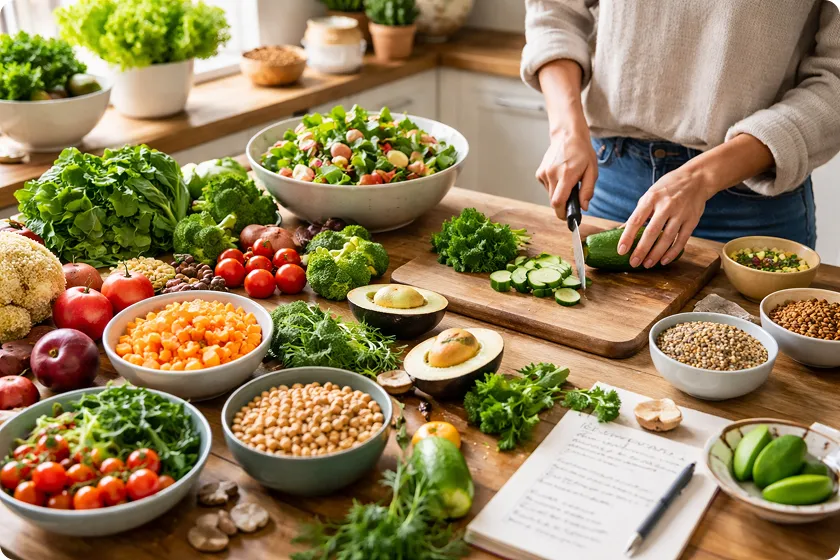
Keep your whole foods list at the front of your mind as you work through these action steps—referencing it often will help you stay on track and build confidence in your choices.
Build Your Whole Foods Grocery List (10 Essential Foods)
The backbone of any healthy grocery list is a set of staple ingredients. Below you’ll find ten essential foods that deserve a place on your list of whole foods. Each item is a single-ingredient food, making it easy to identify and avoid unnecessary additives. Keep these in your kitchen, and you’ll always have the foundation for clean eating meals.
1. Leafy greens (spinach, kale, Swiss chard) – These vegetables provide vitamins A, C, and K, along with antioxidants and fibre. They support immune function, vision, and bone health. Use them in salads, smoothies, or sautéed dishes.
2. Berries (blueberries, strawberries, raspberries) – Berries are rich in antioxidants, fibre, and natural sweetness. They make excellent snacks and can be added to oatmeal or yoghurt, or blended into smoothies.
3. Whole grains (brown rice, quinoa, oats) – Whole grains deliver complex carbohydrates and fibre to keep blood sugar steady. Swap refined pasta for whole‑grain alternatives and enjoy oatmeal for breakfast.
4. Legumes (lentils, black beans, chickpeas) – Packed with plant protein, fibre, and minerals, legumes are versatile and inexpensive. Use them in soups, stews, or as a base for veggie burgers.
5. Nuts and seeds (almonds, sunflower seeds, chia) – These provide healthy fats, protein, and a satisfying crunch. Keep a mix on hand for quick snacks or sprinkle them on salads and porridge.
6. Fatty fish (salmon, sardines) – Omega-3 fatty acids, found in fatty fish, are beneficial to cardiovascular health and cognitive function. Make it a goal to consume two servings of grilled or baked foods every week.
7. Lean poultry and meats (chicken, turkey) – Lean cuts of poultry offer high‑quality protein with less saturated fat than red meat. Roast or grill them for easy, healthy meals.
8. Eggs and organic milk – Eggs are a complete protein and contain vitamins D and B12. Choosing organic dairy adds calcium and vitamin D while avoiding hormones and antibiotics. Both can serve as the base for nourishing breakfasts.
9. Fermented foods (yogurt, kefir, sauerkraut) – Fermented foods introduce beneficial bacteria to the gut and improve digestion. Select varieties without added sugar for the most significant benefit.
10. Healthy oils: The antioxidants and monounsaturated fats found in abundance in these oils have anti-inflammatory and heart-healthy properties. Use them to prepare dressings and cook instead of refined oils.
Feel free to include dark chocolate (70 % cocoa or higher) as an occasional treat. This Whole Foods chocolate contains antioxidants and satisfies cravings without loads of sugar. It’s not a staple like the items above, but it can be part of a balanced diet when you need a little indulgence.
Essential whole foods and their highlights
| # | Whole food | Nutritional highlights | How to use |
|---|---|---|---|
| 1 | Leafy greens | Vitamins A, C, K; fibre | Salads, smoothies, sautés |
| 2 | Berries | Antioxidants; fibre; natural sweetness | Snacks, oatmeal, yoghurt |
| 3 | Whole grains | Complex carbs; fibre; B‑vitamins | Breakfast bowls, side dishes |
| 4 | Legumes | Plant protein; fibre; minerals | Soups, salads, veggie burgers |
| 5 | Nuts & seeds | Healthy fats; protein; antioxidants | Snack mixes, toppers |
| 6 | Fatty fish | Omega‑3 fats; protein; vitamin D | Grilled or baked mains |
| 7 | Lean poultry & meats | High‑quality protein; iron | Roasts, stir fries |
| 8 | Eggs & organic milk | Complete protein; calcium; vitamin D | Breakfasts, baking |
| 9 | Fermented foods | Probiotics; vitamins | Side dishes, snacks |
| 10 | Healthy oils | Monounsaturated fats; antioxidants | Cooking, salad dressings |
For more meal ideas and prep guidance, explore our Whole Foods Menu Guide and join our Easy Meal Prep Masterclass. These resources show how to combine items from your whole foods list into satisfying breakfasts, lunches, and dinners.
Keeping your whole foods list front and centre while you cook will help build healthy habits that last, reinforcing your commitment every time you step into the kitchen.
Preparing Clean Eating Meals
Once you have your whole foods list stocked, the next step is to turn those ingredients into satisfying meals. Preparing clean eating meals doesn’t have to be complicated or time‑consuming. Use the tips below to turn your staples into healthy, tasty meals that fit your lifestyle.
- Plan: Your weekly menu should be based on your whole food list. Processed snacking decreases when you know what you’ll cook.
- Batch cook: Prepare grains, beans, and proteins in large batches. Store portions in the fridge or freezer so you can build meals quickly.
- Use simple cooking methods: Roasting vegetables and grilling meats bring out flavour without adding unhealthy fats. Steaming and stir‑frying with whole foods olive oil are other great options.
- Mix and match: Combine items from your healthy grocery list to keep things interesting. For example, toss roasted vegetables with quinoa and add grilled chicken for a balanced bowl.
- Season wisely: Herbs, spices, and citrus bring bright flavours without relying on sugar or salt. A drizzle of Whole Foods organic milk or a spoonful of yoghurt can add creaminess to sauces and dressings.
Once you’ve set up these routines, return to your whole foods list whenever you feel stuck. Having the list visible on your fridge or phone means you no longer have to ask, “What can I eat today?” or “What do I eat?” Choose a combination of your fresh fruits and vegetables, proteins, and grains, and you’ll have a meal on the table in minutes.
Over time, this whole foods list will become your best friend in the kitchen, helping you whip up balanced dishes without a second thought.
If you ever find yourself wondering “what to eat today”, glance at your menu plan and pick a recipe that uses ingredients you already have. This helps prevent last-minute takeout orders and keeps you on track with clean eating meals.
Navigating Eating Out and Social Situations
It’s not necessary to give up your entire meal list when dining out. You can still make decisions that support your clean eating philosophy, whether you’re at a family get-together or having lunch with coworkers. To keep on course, employ these tactics:
- Scan the menu: Look for dishes that emphasize nutritious grains, lean meats, and fresh produce. Steer clear of anything that is characterized as “crispy,” “smothered,” or “battered,” as these terms sometimes indicate that it has been fried or slathered in sweet sauce.
- Customise orders: Don’t hesitate to ask for substitutions. Request whole-grain bread, extra veggies, or dressing on the side. Most restaurants are happy to accommodate simple changes.
- Snack smart: Bring single-ingredient foods like unsalted nuts, a piece of fruit, or roasted chickpeas. These options prevent hunger from driving you toward unhealthy choices.
- Hydrate wisely: Your best options are water and unsweetened tea. Avoid sugary drinks, as they can add hundreds of unnecessary calories to a meal.
- Share or save: Restaurant portions are often significant. Share a dish with a friend or request a to‑go box to avoid overeating.
When dining out, keep your whole foods list in mind. If you’re unsure what to order and find yourself wondering, “What should I eat today?”, think of the core food groups from your list. Choose dishes that emphasise fresh fruits and vegetables, lean proteins, and whole grains, and you’ll stay aligned with your goals even when you don’t control the kitchen.
For more tips on eating out while following your whole foods list, read our Guide to Healthy Dining Out, which offers strategies for choosing the best options at restaurants and social gatherings.
Supportive Habits & Tools
Your journey toward eating from a whole foods list will be easier and more enjoyable if you cultivate habits that support your goals. These strategies will help you maintain momentum, build confidence, and enjoy the process of nourishing yourself.
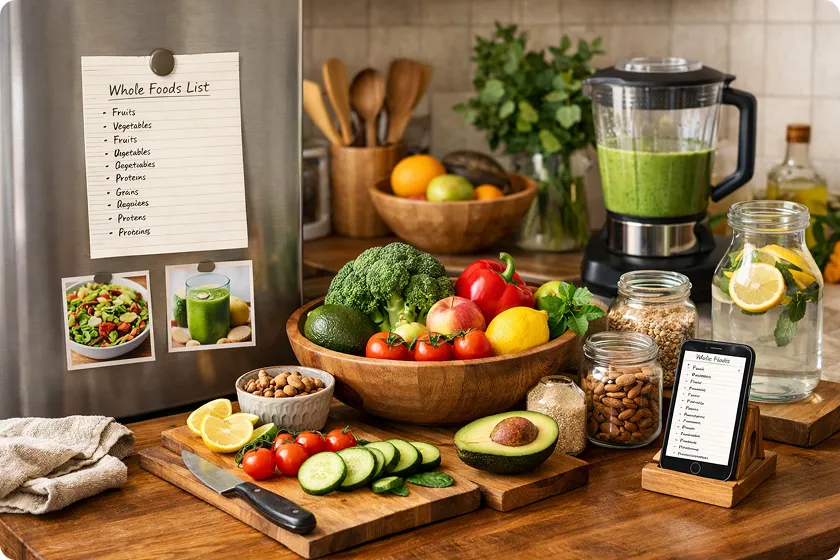
By weaving your whole foods list into your daily routine—posting it on the fridge or saving it on your phone—you ensure that healthy choices become second nature.
Mindful Eating and Intuitive Decisions
Eating mindfully entails observing your body’s hunger and fullness cues and enjoying every meal. It encourages you to listen to your body rather than eat out of boredom or habit. This habit can help you avoid overeating and enjoy the flavors and textures of fresh fruits and vegetables. Developing intuition around food makes you less susceptible to fad diets and more likely to trust your body’s signals.
- Pause before eating: Take a breath and assess whether you’re genuinely hungry. Sometimes a glass of water or a short walk satisfies what feels like hunger.
- Slow down: Your brain has more time to sense fullness when you eat slowly. To really taste your food, put down your fork between bites.
- Use smaller plates: Portion sizes can creep up over time. Smaller plates make normal portions look satisfying and help prevent overeating.
- Balance your plate: Add a quarter of whole grains and a quarter of lean protein to half of your plate, along with fruits or veggies. This simple guideline ensures your meal has all the right parts.
- Celebrate variety: Rotate the items on your whole foods list regularly. Variety keeps meals exciting and ensures a broader intake of nutrients.
Mindful eating also means trusting your whole foods list when you’re unsure “what to eat today.” Instead of being driven by cravings or diet trends, let your list guide you toward balanced meals. Whether you choose a handful of nuts, a slice of lean meat, or a bowl of berries, you’re reinforcing healthy habits one choice at a time.
Tools for a Whole Foods Lifestyle
The right tools make it easier to stick to your healthy grocery list and create clean eating meals. Setting up your kitchen and routine can be the difference between success and frustration.
- Kitchen basics: Invest in a sharp knife, cutting board, storage containers, and a few quality pans. These will help you prepare ingredients quickly and keep leftovers fresh.
- Meal-planning apps or journals: Record your weekly menu and shopping list. Seeing your whole foods list on paper keeps you organised and accountable.
- Smart shopping habits: Stick to the outer aisles of the grocery store where most whole foods are located. Avoid products with lengthy ingredient lists and carefully read labels.
- Farmers’ markets and local shops: Buying from local farmers often yields fresher fruit and the chance to ask about the production process. Your community may be strengthened by supporting local farms.
- Learning resources: Read up on nutrition or take a cooking class to expand your skills. The more comfortable you are in the kitchen, the easier it will be to create healthy choice meals.
Keep a digital or printed whole foods list handy while you learn. Refer to it any time you’re deciding “what to eat when you don’t know what to eat.” Over time, you’ll build intuition, and your list will serve as a personalised guide to creating healthy-choice meals for any occasion.
When your whole foods list is accessible at all times, you’re more likely to choose nutritious snacks and meals without hesitation.
Balancing Convenience and Nutrition
Whole foods don’t always have to be cooked from scratch to be nutritious. Many convenient options align with your entire food list. The key is knowing how to choose wisely.
- Use minimally processed staples: Frozen fruits and vegetables, canned beans, and tinned fish are nutrient-dense and require little prep. Rinse canned beans to reduce sodium and choose products without added sugars or sauces.
- Look for portable options: Single‑serve packages of roasted nuts, peeled hard‑boiled eggs, and cut‑up vegetables can be lifesavers on busy days. These single-ingredient foods fit easily into lunchboxes or handbags.
- Embrace simple recipes: When time is short, assemble a meal with pre‑washed salad greens, leftover chicken, and a drizzle of whole foods olive oil. Add a handful of berries for a quick and colourful dinner.
- Prep in stages: Even if you don’t cook entire meals ahead of time, washing and chopping vegetables or marinating meat in advance reduces the effort needed later. This habit makes it less likely you’ll resort to takeout.
- Avoid ultra‑processed convenience foods: Even meals marketed as healthy can still contain additives and sugars. Compare the ingredient list with your list of whole foods; if it includes a long list of unfamiliar ingredients, choose something else.
Balancing convenience and nutrition often comes down to returning to your whole foods list. If you ever feel overwhelmed in the grocery store, asking yourself “what can I eat today?”, remember to prioritise single-ingredient foods and items from your healthy grocery list. Keeping these simple guidelines in mind helps you make healthy meal choices without overthinking.
Keeping a whole foods list with you at all times provides a calming anchor amid busy days, making healthy choices second nature.
By combining fresh and minimally processed options, you can maintain your healthy habits even when life gets hectic.
FAQ
The questions below address common concerns that arise when following a whole foods list. Use this quick reference whenever you’re unsure about meal choices, ingredients, or how to maintain your healthy habits.
1. What can I eat today if I’m in a rush?
When time is tight, choose single-ingredient foods that are quick to assemble. If you’re looking for a protein and healthy fat snack, try Greek yogurt topped with berries and almonds. You could also grab a handful of baby carrots, a hard‑boiled egg, and a piece of fruit. These simple combinations take minutes to prepare and keep you full until your next meal.
2. What is the healthiest fruit to include on my whole foods list?
There is no single “healthiest” fruit, as each offers different nutrients. Berries are rich in antioxidants and fibre, citrus fruits provide vitamin C, and apples are high in soluble fibre. Variety is key; aim to include a rainbow of colours on your healthy grocery list. This ensures a broad intake of vitamins, minerals, and phytonutrients.
3. What is the healthiest meat for clean eating?
Fatty fish and lean poultry are among the best choices for clean eating meals. Salmon and sardines deliver omega‑3 fats that support heart health, while skinless chicken and turkey provide high‑quality protein with less saturated fat than many cuts of red meat. If you prefer plant‑based meals, legumes and tofu can stand in for beef while still delivering protein.
4. What are good single-ingredient foods for quick snacks?
Fresh fruit, raw vegetables, unsalted nuts, and hard‑boiled eggs are excellent single-ingredient foods for snacking. They’re portable, require little preparation, and provide a mix of fibre, protein, and healthy fats. Keep a small container of almonds or cut vegetables in your bag so you have a wholesome option when hunger strikes.
5. What to eat when you don’t know what to eat?
Use a simple formula: pick one item from each section of your Whole Foods list. Choose a vegetable or fruit, add a lean protein, and include a whole grain or healthy fat. For example, combine roasted sweet potatoes with black beans and avocado slices for a balanced meal. This method helps you stay focused on making healthy food choices while eliminating the uncertainty of meal planning.
Conclusion
Switching to a diet centred on whole foods may seem daunting at first, but it becomes manageable once you have a reliable whole foods list. Adding fresh produce, whole grains, lean meats, and healthy fats to your cart simplifies and improves your shopping experience. A well‑structured list of entire foods reduces the temptation of ultra‑processed snacks and helps you make clean eating meals your default choice.
Remember that small steps add up. Start by adding one or two new items from the list each week and experiment with simple recipes. Use your healthy grocery list to plan meals, stock your pantry, and choose single-ingredient foods for snacks. When you’re unsure “what to eat today,” or “what should I eat today?” turn to your list and pick a combination that appeals to you. You’ll find that the more you practice, the more intuitive it becomes.
Don’t forget to save your whole foods list somewhere you’ll see it often. The next time you wonder “what can I eat today?”, refer to that list, and you’ll have your answer. Continue learning by checking out our blog post below, then join the conversation below and tell us how you’re using your whole foods list to create nutritious meals.
Internal Links:
- High Fiber Breakfast Foods: 10 Essential Choices for Health
- 6 Effective Foods to Eat to Lose Belly Fat
- What Is My Maintenance Calories: 7 Essential Tips to Calculate Yours
External Links:
About the author
Healthy Eats Guide Team
Editorial Team
The Healthy Eats Guide editorial team researches and writes practical health and wellness content focused on clarity, sourcing, and everyday usefulness.
Related blogs

Heart Failure Diet: 10 Essential Foods for Better Heart Health
Heart failure diet: Discover 10 essential foods and a heart healthy meal plan to support circulation, reduce strain, and protect your heart. Start today.
15 min read

Best Diet for Arthritis: 7 Essential Foods for Joint Health
Best diet for arthritis: foods for joint health and foods that help arthritis. Improve mobility and reduce pain. Start reading today.
8 min read
Anti-Inflammatory Snacks: 10 Proven Fruits for Inflammation
Anti-inflammatory snacks with fruits for inflammation and foods that are anti inflammatory. Discover a low inflammatory breakfast guide and boost health now.
11 min read
Newsletter
Get practical health guides in your inbox
Occasional updates with clear nutrition, habits, and wellness reading — no spam, unsubscribe anytime.