

Table of contents

Introduction
Arthritis in the hands involves the joints of the fingers, thumbs, and wrists. As protective cartilage deteriorates or inflammation sets in, everyday tasks such as gripping objects or fastening buttons can become challenging due to pain, swelling, and stiffness. Spotting the signs of arthritis in hands early can help you preserve movement and strength. This article explores the causes of hand arthritis, the different forms it can take, and practical ways to ease discomfort.
Understanding arthritis in the hands
What is hand arthritis?
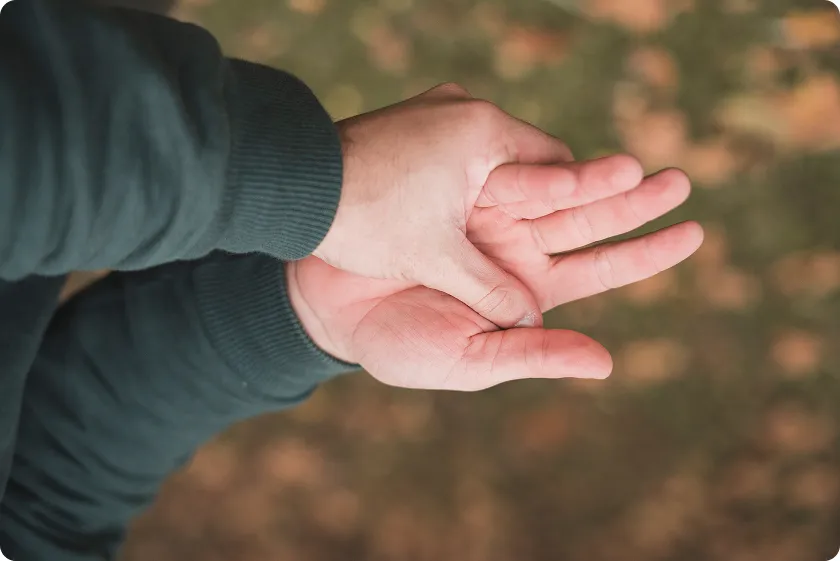
Hand arthritis is an umbrella term for joint conditions that involve the fingers, thumb, and wrist. Normally, a layer of cartilage cushions the ends of bones and allows smooth motion. When cartilage breaks down or joints become inflamed, the bones can rub together, causing soreness, swelling, and stiffness. Several types of arthritis can affect the hands, each with its own features, but all resulting in discomfort and reduced dexterity.
Types of arthritis in the hands
The most common forms of arthritis in the hands include:
- Osteoarthritis: Degenerative wear and tear that thins cartilage in the joints.
- Rheumatoid arthritis: An autoimmune disorder where the immune system attacks the joint linings.
- Psoriatic arthritis: Inflammation linked to psoriasis, a chronic skin condition.
- Gout: Sudden, painful episodes triggered by uric acid crystal deposits.
- Post-traumatic arthritis: Degeneration that develops after an injury to the hand.
Causes and risk factors
Osteoarthritis typically develops over time, especially after age 50, because of cumulative wear. Inflammatory forms arise from misfires of the immune system, while gout results from excess uric acid, and post-traumatic arthritis follows injuries. Factors that raise your chances of developing arthritis in the hands include getting older, being female, carrying extra weight, repetitive hand motions, a family history of the disease, smoking, and a diet high in sugar and processed foods. Maintaining a balanced diet and healthy weight may ease strain on the small joints.
Seven signs of arthritis in the hands
Common early signs include aching or throbbing after use, morning stiffness, puffy joints that feel warm, decreased range of motion, weaker grip strength, visible bony enlargements, and grinding sensations.
| Sign | Description |
|---|---|
| Joint pain | Persistent soreness or stabbing sensations in the fingers or wrist |
| Stiffness | Difficulty bending fingers or making a fist, particularly after rest |
| Swelling/warmth | Joints that look puffy and feel warm; rings may suddenly feel tight |
| Reduced motion | Reduced ability to grasp, fasten buttons, or open containers |
| Weakness | Loss of grip strength and fatigue in the hands |
| Deformity | Enlarged knuckles or fingers that begin to curve |
| Clicking/grinding | A grating or popping sensation when the joint moves |
Seven relief tips for hand arthritis
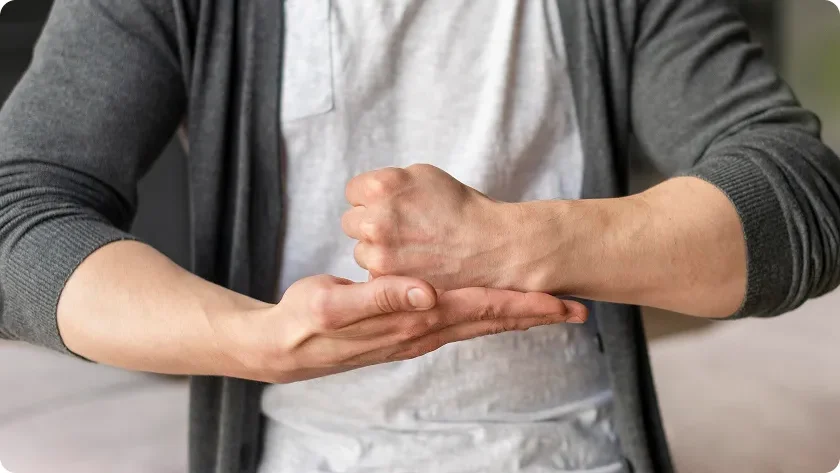
Managing arthritis in the hands calls for a comprehensive approach that combines medical care with lifestyle adjustments. Here are seven techniques that may bring relief.
1. Consult a healthcare professional early
Seek medical evaluation when pain or stiffness in your hands doesn’t go away. Early diagnosis and treatment can slow joint damage, and disease‑modifying medicines may help control inflammatory types of arthritis.
2. Use heat and cold therapy
Warmth can loosen stiff joints, while ice packs can reduce swelling after activity.
3. Perform regular hand exercises
Simple exercises like squeezing a stress ball, rolling each finger, or forming an “O” with your thumb and index finger strengthen muscles and maintain mobility. Doing these daily may improve hand function.
4. Maintain a healthy diet and weight
Choose anti-inflammatory foods, such as colorful fruits and vegetables, and omega-3-rich fish. Keeping your weight within a healthy range reduces strain on the small joints.
5. Use assistive devices and ergonomic adaptations
Tools like jar openers, buttonhooks, pens with larger grips, and lever-style handles reduce strain and make everyday tasks easier.
6. Medications, topical therapies, and injections
Over-the-counter pain relievers and anti-inflammatory creams or gels can ease discomfort; for severe pain, a doctor may recommend corticosteroid injections.
7. Adopt healthy lifestyle habits and manage stress
Engage in low-impact exercise, avoid smoking, and limit alcohol. Activities like yoga or mindfulness meditation can help manage stress, which may reduce flare‑ups.
Summary of relief tips:
- See a professional: Get an assessment and a treatment plan.
- Heat & cold: Warmth for stiffness and cold for swelling.
- Exercise regularly: Gentle hand exercises to maintain mobility.
- Eat well: Anti-inflammatory diet and weight management.
- Assistive devices: Use tools to reduce strain.
- Medications & gels: Pain relievers or topical treatments.
- Healthy habits: Stay active, avoid smoking, and manage stress.
FAQ
1. What causes arthritis in fingers?
Finger joints can develop arthritis due to years of use in osteoarthritis, immune-related conditions such as rheumatoid or psoriatic arthritis, build-up of uric acid as in gout, or previous injuries. Risk factors include age, genetics, obesity, smoking, poor nutrition, and repetitive motions.
2. How do you treat arthritis in fingers and hands?
Management often includes a combination of medicine, hand therapy, splints, injections, and, when necessary, surgery. At home, you can apply heat or ice, do gentle stretching exercises, use assistive devices, and follow a balanced diet.
3. Can arthritis be reversed?
Most forms of arthritis cannot be cured. Treatment aims to slow progression, ease pain, and preserve function, so early diagnosis and consistent therapy are important.
4. How can you treat arthritis in the hands naturally?
Natural approaches focus on regular hand and finger exercises, alternating heat and cold, eating anti-inflammatory foods rich in fruits, vegetables, and omega-3 fats, maintaining a healthy weight, quitting smoking, and limiting alcohol. Some people try supplements like glucosamine or chondroitin, but the evidence is mixed.
5. When should you see a doctor for hand arthritis?
You should consult a doctor if pain and swelling persist for more than a few days, worsen despite home care, interfere with daily activities, or are accompanied by redness, warmth, or fever, which may indicate infection.
Conclusion
Arthritis in the hands is common but manageable. Noticing the signs early and seeking help can limit joint damage. While treatments cannot reverse the condition, they can slow its course and reduce pain. Work with a health professional, stay active, use heat or cold and assistive devices, and adopt healthy habits to support your hand function.
Internal Links
- 3 Types of Skin Cancer: Essential Facts You Must Know
- 6 Essential Signs of Lupus You Should Know
- Understanding Blood Pressure Readings: 6 Essential Facts You Must Know
External Links
- Arthritis in Hands
- 12 home remedies to help relieve arthritis in hands, plus medical treatments that can help
- How to Cure Arthritis in Hand: 7 Effective Treatments
References
- Arthritis In Your Hands? Hand Orthopaedics Can Offer Solutions https://www.healthworkscollective.com/arthritis-in-hands-orthopaedics-can-offer-solutions/
- Arthritis Treatment | Soul Homeopathy https://soulhomeopathy.com/services/Arthiritis/
- Mishra, A., & Agarwal, S. (2023). Myocardial Infarction: A Comprehensive Review. https://doi.org/10.17762/jaz.v44i4.1743
- How Long Does a TMJ Flare Up Last? And What Causes It? https://www.artofmoderndentistry.com/blog/how-long-does-a-tmj-flare-up-last-and-what-causes-it/
- Plantar Fasciitis: Heel Pain Relief Solutions | James W. Ratcliff, DPM https://drratcliff.com/plantar-fasciitis-heel-pain-relief-solutions/