

Table of contents

Introduction
Finger arthritis (often osteoarthritis of the hand) occurs when the smooth cartilage cushioning finger joints wears away. This causes joint pain, stiffness, swelling, and reduced motion as bones rub together. The condition commonly affects the knuckles (hand joints) and thumb base, making gripping and fine tasks difficult. In this guide, we’ll cover 7 key signs of finger arthritis (including pain at the base of the thumb) and easy self-care tips to find relief.
7 Signs of Arthritis in Fingers
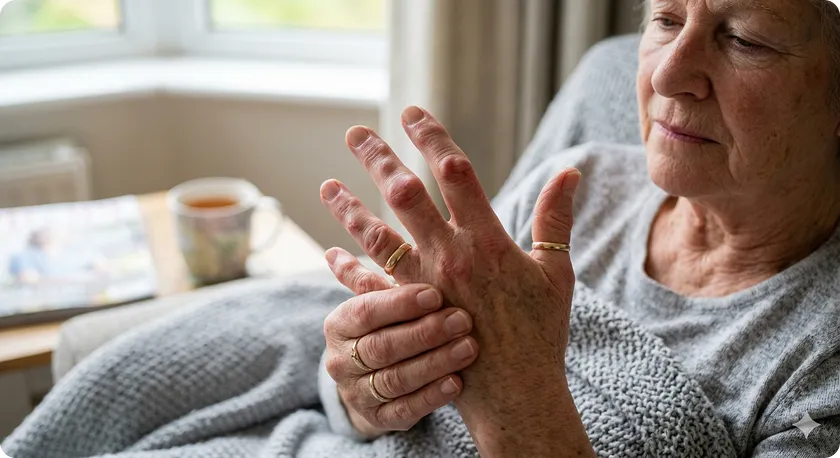
Finger arthritis often starts gradually. Watch for these seven warning signs:
- Joint pain in fingers: An aching or sharp pain in a finger joint, especially after using the hand. Pain is often dull and persistent, or it may flare into a sharp sting with movement.
- Morning stiffness: Fingers feel stiff or “locked” first thing in the morning, improving with gentle movement. Stiffness or difficulty bending the fingers (especially at the knuckles or PIP/DIP joints) is common.
- Swollen, inflamed joints: A finger joint may look visibly swollen, feel warm, or be tender to the touch. Arthritis causes inflammation in the joint lining, so fingers or knuckles can appear red and puffy.
- Grinding or clicking: You may feel or hear a grinding, cracking, or popping (crepitus) when bending an arthritic finger. This happens as rough joint surfaces move against each other without the smooth cartilage cushion.
- Reduced grip and motion: Over time, arthritis can weaken grip strength and range of motion. Pain and stiffness make it hard to fully bend or straighten the fingers, so tasks like buttoning a shirt or opening jars become challenging.
- Bumps at finger joints (nodes): Hard, bony lumps may form on the fingers. Heberden’s nodes (at the fingertip joints) or Bouchard’s nodes (middle knuckle) are telltale signs of osteoarthritis. These nodes cause pain, stiffness, and enlarged joints.
- Thumb-base pain: Sharp pain or soreness at the base of the thumb (carpometacarpal joint) is a classic sign of thumb arthritis. You may also notice a bone spur or bump at the thumb’s base, and trouble pinching or gripping small objects.
Causes of Finger Arthritis
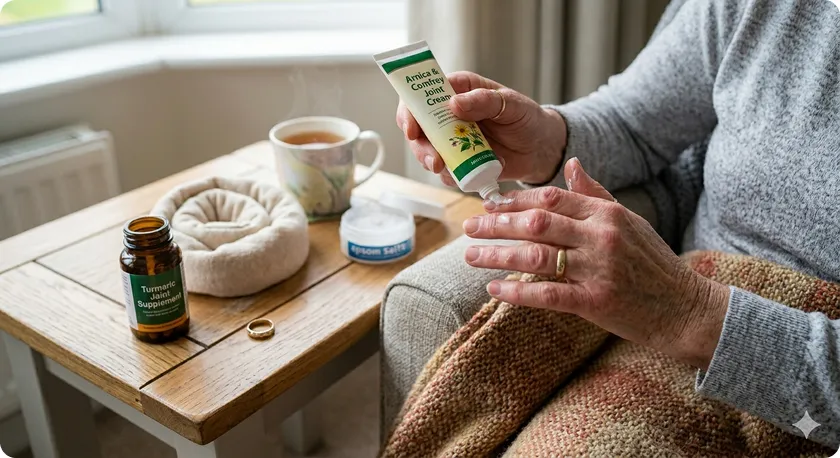
Arthritis in the fingers most often comes from the wear-and-tear of the joint cartilage over time. Common causes and risk factors include:
- Age and Overuse: The most common form is osteoarthritis, caused by lifelong use of your hands. As cartilage wears out, bones lose their cushioning.
- Genetics and Gender: Being female or having relatives with arthritis raises the likelihood of developing finger arthritis.
- Autoimmune Conditions: Diseases like rheumatoid arthritis or lupus attack the joint linings, causing chronic inflammation in finger joints (often symmetrically on both hands).
- Injury or Repetitive Strain: A past fracture or repetitive finger motions (e.g., in certain jobs or hobbies) can trigger arthritis in that finger joint (post-traumatic arthritis).
- Other Factors: Obesity, smoking, and certain metabolic issues (like gout from high uric acid) can also contribute to arthritis risk.
Understanding the cause helps guide treatment. For example, protective splints can support a previously injured thumb, while medicine may target immune-mediated inflammation in rheumatoid arthritis.
Relief Tips for Finger Arthritis
Managing finger arthritis involves easing pain and keeping joints mobile. The table below summarises the top self-care strategies and how they help:
| Treatment / Remedy | Description |
|---|---|
| Heat and Cold Therapy | Apply a warm compress or a paraffin wax bath to relax stiff joints, and use an ice pack after activity to reduce swelling. |
| Gentle Hand Exercises | Stretching and strengthening exercises (e.g., making a gentle fist, finger bends) keep joints flexible and improve grip strength. |
| Splints or Braces | Wearing a soft splint on the thumb or fingers can rest a sore joint and limit painful motion. |
| Anti-inflammatory Diet | Foods rich in omega-3s and antioxidants (like leafy greens, berries, fatty fish) may reduce joint inflammation and support bone health. |
| Pain Medications | Over-the-counter NSAIDs (ibuprofen) or acetaminophen relieve arthritis pain and swelling. (Use under a doctor’s advice for long-term use.) |
In addition to the above, consider these tips:
- Assistive Tools: Use adaptive devices (jar openers, button hooks, larger-grip utensils) to ease daily tasks and reduce finger strain.
- Lifestyle Measures: Maintain a healthy weight to lessen joint stress. Avoid repetitive finger motions and take breaks during activities.
- Hand Therapy: A certified hand therapist can teach exercises and splinting techniques to protect your joints and maintain function.
By combining these strategies and discussing medications or injections with your doctor if needed, most people can manage finger arthritis effectively and stay active.
When to See a Doctor

If self-care doesn’t help, or if symptoms worsen, seek medical advice. See a doctor if:
- Pain or swelling is severe or persistent: For example, symptoms lasting more than a week despite home treatments, especially with fever or red streaks (signs of infection).
- Progressive symptoms: Increasing stiffness, new redness/warmth of the joint, or more frequent arthritis “flare-ups” indicate the condition is advancing.
- Difficulty with daily tasks: When gripping, buttoning clothes, or typing becomes too painful, a professional evaluation can guide treatment (such as hand therapy or injections).
- Bumps or deformities worsen: Noticeable knuckle or thumb deformities (growing nodes or bent fingers) that cause dysfunction should be checked.
Early treatment can prevent joint damage and preserve hand function. A doctor may order X-rays of the hands, recommend prescription therapies, or suggest hand exercises tailored to your situation.
FAQ
1. What does arthritis in the fingers feel like?
Finger arthritis usually feels like a constant dull ache in the joint, sometimes with sharp pain when moving that finger. You may notice stiffness (especially in the morning or after inactivity) and tenderness. The pain often worsens with use (e.g., typing or gripping objects). Over time, the joint may also feel warm or become enlarged from inflammation.
2. Why does it hurt when I bend my finger?
Bending a finger applies pressure to the joint. If arthritis has worn down the cartilage there, the bones start rubbing together, causing pain. In hand arthritis, pain often comes on with movement or after activity. (Note: Other causes like tendonitis or trigger finger can also hurt when bending, but arthritis pain is usually felt within the joint itself.)
3. Why does my middle finger hurt?
The middle finger can ache for various reasons, but one common cause is osteoarthritis of its joints. For example, arthritis at the middle knuckle (PIP joint) can cause pain, swelling, and stiffness. If you have hard bumps (nodes) on that finger joint, it strongly suggests osteoarthritis. Other causes might include overuse injuries or nerve issues, but persistent joint pain often warrants evaluation for arthritis.
4. What is the bump on my finger?
Bony bumps on your finger joints are often nodes from arthritis. Heberden’s nodes (at the fingertip joints) or Bouchard’s nodes (at the middle joints) appear when osteoarthritis causes extra bone growth. These bumps feel firm and can make your finger look crooked. They usually cause tenderness and limit motion in that joint. It’s a common sign of hand arthritis in older adults.
5. Why does my finger keep twitching?
Finger twitching is generally not caused by arthritis. It’s usually a harmless muscle spasm from fatigue, stress, caffeine, or vitamin imbalances. Healthline notes that finger twitching is often due to muscle strain or stress and typically goes away on its own. If twitching is persistent or comes with numbness/weakness, check with a doctor, but it’s unlikely to be related to arthritis.
Conclusion
Arthritis in the fingers can make everyday tasks painful, but recognising the signs early and using simple relief tips can help you stay active. Remember: joint pain, stiffness, swelling, limited motion, and finger bumps are key warning signs. Warm/cold therapy, gentle exercises, splints, an anti-inflammatory diet, and pain relievers can all ease symptoms.
If self-care isn’t enough, consult a healthcare provider for personalised treatment. Early action (including hand therapy or medications) can protect your hand joints and preserve function. To learn more about managing arthritis, visit our comprehensive guide on hand arthritis and joint health. Your fingers deserve care; don’t ignore persistent pain.
Internal Links
- 3 Types of Skin Cancer: Essential Facts You Must Know
- 6 Essential Signs of Lupus You Should Know
- Understanding Blood Pressure Readings: 6 Essential Facts You Must Know
External Links
- Arthritis in Hands
- Identifying arthritis in your fingers and thumbs
- What does arthritis in the fingers feel like?
References
- Could Stem Cells Be the Secret to Staying Young? – AgeMate https://agemate.com/blogs/news/stem-cells-could-they-be-the-secret-to-staying-young
- Orozco, C., & Olsen, N. J. (2006). Identification of Patients With Early Rheumatoid Arthritis: Challenges and Future Directions. Clinical & Developmental Immunology. https://doi.org/10.1080/17402520600877794
- Trigger Finger | Florida Medical Clinic Orlando Health https://www.floridamedicalclinic.com/condition/trigger-finger/
- Understanding Swollen Lymph Nodes Behind the Knee https://www.kneepaincentersofamerica.com/blog/swollen-lymph-nodes-behind-knee